 ultimate-guide
Why Appliances Fail From Hard Water: A Complete Guide
Last Updated: October 23, 2026
Quick Summary
Appliances fail hard water because dissolved calcium and magnesium minerals precipitate out when water heats, forming scale buildup that clogs water pathways, reduces efficiency, and shortens appliance lifespan. This damage affects water heaters, dishwashers, washing machines, and ice makers throughout your home.
- Scale insulates water heater elements, forcing them to work harder and consume significantly more energy.
- Hard water mineral deposits clog dishwasher spray nozzles, reducing cleaning performance and stressing the pump.
- Mineral-detergent residue coats fabrics in washing machines, making clothes stiff and accelerating fiber breakdown.
- Whole-home water softening systems eliminate calcium and magnesium before water enters your home, preventing scale formation entirely.
- Regular maintenance like vinegar soaks and professional water heater flushing can extend appliance life when combined with water treatment.
Table of Contents
- How Hard Water Damages Appliances
- Signs of Hard Water in Your Home
- Hard Water and Water Heater Efficiency
- How Hard Water Affects Specific Appliances
- How to Remove Mineral Buildup From Dishwasher
- Water Softener Benefits for Appliances
- Maintenance and Long-Term Protection
- Frequently Asked Questions
How Hard Water Damages Appliances
Hard water contains dissolved minerals, primarily calcium and magnesium, that cause appliances fail hard water situations throughout your home. When water heats or sits in pipes and tanks, these minerals precipitate out and form stubborn deposits. The result is scale buildup that clogs water pathways, reduces efficiency, and shortens appliance lifespan. Understanding this damage mechanism is the first step toward protecting your home.
Calcium and Magnesium Mineral Deposits
Calcium and magnesium are the primary culprits behind hard water damage. These naturally occurring minerals dissolve into groundwater and municipal supplies, traveling through your pipes into every appliance that uses water. Unlike soft water, which contains sodium ions that don't precipitate, hard water minerals bond to surfaces when exposed to heat or pressure changes.
When water temperature rises, such as in a water heater or dishwasher, the mineral solubility decreases. The calcium and magnesium separate from the water and crystallize into a white, chalky substance. This process repeats thousands of times over months and years, creating thick, rock-hard deposits that coat internal components. The deposits are difficult to remove because they're chemically bonded to metal and plastic surfaces.
The severity of mineral accumulation depends on water hardness levels. Harder water means more minerals dissolved, which means faster and thicker scale formation. In regions with particularly hard water, deposits can build up visibly within weeks on faucet aerators and showerheads.
Scale Buildup on Internal Components
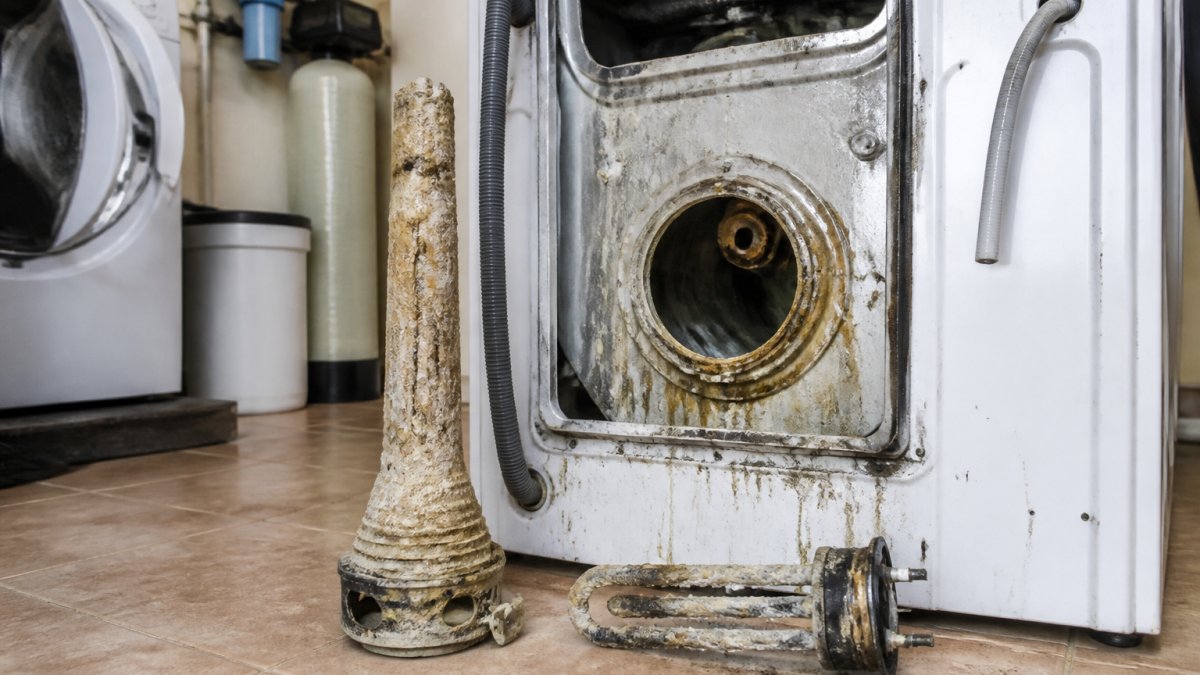
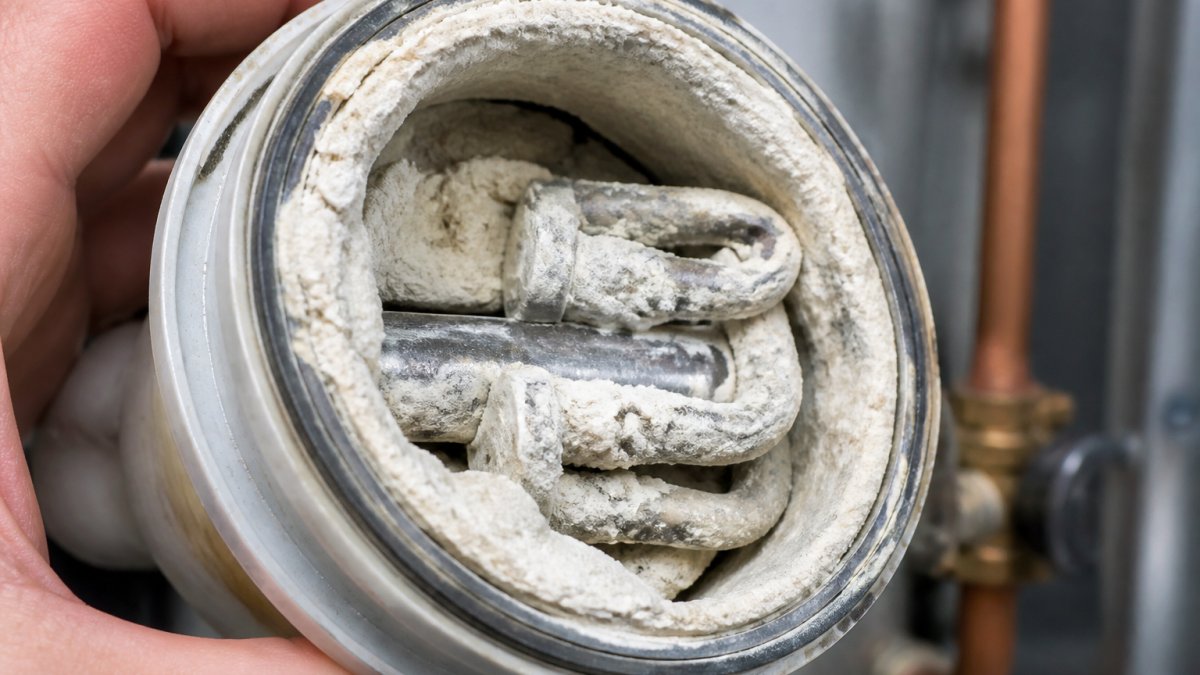
Scale doesn't just sit on surfaces, it actively restricts water flow and heat transfer. Inside a water heater, scale insulates the heating element from the water it's supposed to warm. The element works harder and longer to reach the target temperature, consuming more energy and generating excess heat that accelerates corrosion.
In dishwashers and washing machines, scale clogs the tiny spray nozzles and jets that distribute water across dishes or clothes. Water pressure drops, cleaning performance suffers, and the motor strains to maintain cycles.
Pipes themselves narrow as scale builds up along interior walls. What starts as a thin film becomes a significant obstruction. Water pressure throughout the home decreases. Fixtures run slower. Appliances that depend on adequate water flow, ice makers, water dispensers, whole-home filtration systems, underperform or stop working altogether.
Signs of Hard Water in Your Home
Recognizing how appliances fail hard water damage early helps you act before problems become severe. Several visible and performance-based indicators point to a hard water problem.
White, chalky buildup on faucet aerators, showerheads, and around sink drains is the most obvious sign. This same deposit forms inside appliances where you can't see it.
Laundry that feels stiff or looks dull after washing suggests mineral coating on fabrics. Soap and detergent don't lather well in hard water; instead, they react with minerals and form an insoluble film.
Low water pressure at fixtures, especially hot water, often signals scale accumulation in pipes and water heater internals. If your shower suddenly feels weak or your dishwasher takes longer to fill, hard water mineral deposits are likely the cause.
Appliances that once worked reliably start cycling longer, running hotter, or shutting off unexpectedly. A water heater that used to heat water in 20 minutes now takes 30 or 40. These are signs the heating element is fighting scale buildup.
Hard Water and Water Heater Efficiency
Your water heater is ground zero for hard water damage. The appliance heats water to 120-140°F, creating ideal conditions for mineral precipitation.
A thin layer of scale acts as an insulator between the heating element and the water. The element must reach higher temperatures to compensate, consuming significantly more energy. A water heater coated with scale works harder, lasts shorter, and costs more to operate.
As scale thickens, sediment accumulates at the tank bottom. This sediment traps heat and accelerates corrosion of the tank itself. Rust forms inside, weakening the tank structure. Eventually, the tank develops a leak or fails completely.
Homeowners often don't realize their water heater is failing due to hard water until it stops producing hot water entirely. By that point, the appliance has been operating inefficiently for years, driving up utility bills. Regular maintenance, or better yet, water treatment, prevents this cascade of problems.
Whole-home water softening systems eliminate mineral deposits before they reach your appliances, protecting your investment and lowering energy costs.
How Hard Water Affects Specific Appliances
Different appliances fail in different ways when exposed to hard water. Understanding the specific damage mechanisms helps you prioritize protection for your most vulnerable systems.
Dishwasher Performance and Clogged Spray Nozzles
Dishwashers are particularly vulnerable because they use hot water and rely on precise spray patterns to clean. Scale buildup clogs the spray arm nozzles, small holes that distribute water across dishes. When nozzles clog, water doesn't spray evenly. Dishes on one side of the rack come out dirty while others are spotless.
The wash pump must work harder to force water through narrowed passages. Pressure increases inside the system, stressing seals and valves. Solenoid valves that control water entry and drainage accumulate mineral deposits and begin to stick. Cycles take longer. The motor runs hotter.
Mineral spots on dishes are a visible symptom, but the real damage happens inside. The filter screen clogs with sediment. The spray arms become sluggish. Eventually, the pump fails or the solenoid valve stops responding, and the dishwasher stops cleaning or draining properly.
Washing Machine Detergent and Fabric Wear
Washing machines suffer from hard water in two ways: mechanical damage and poor cleaning performance.
Mechanically, scale accumulates in the inlet valves, the drum seal, and the pump. Water flow slows. The drum fills more slowly, throwing off cycle timing. The pump cavitates, drawing air instead of water, and eventually fails.
Chemically, hard water minerals react with detergent and form an insoluble residue. This residue coats fabrics, making them feel stiff and look dull. The coating also traps dirt, so clothes don't get as clean despite using the same amount of detergent. Over time, the mineral coating accelerates fiber breakdown, shortening fabric lifespan.
Homeowners often respond by using more detergent, which worsens the problem. More detergent means more mineral-detergent residue coating fabrics. The real fix is removing minerals from the water supply before it reaches the machine.
Ice Makers and Water Dispensers
Refrigerator ice makers and water dispensers depend on water flow through narrow tubes and filters. Hard water scale clogs these passages quickly.
Ice makers stop producing ice when mineral deposits block the water inlet line. The dispenser line clogs, and water either won't dispense or flows at a trickle. Many homeowners assume the appliance is broken and call for service, when the real problem is mineral buildup that could have been prevented.
Filters in water dispensers clog faster in hard water. The sediment and mineral content overwhelm the filter's capacity, reducing flow and water quality. Replacement filters become an ongoing expense.
How to Remove Mineral Buildup From Dishwasher
If your dishwasher already shows signs of hard water damage, cleaning the spray arms and filter can restore some performance.
Start by removing the spray arms. Most dishwashers have arms that unscrew or pop out from the sides and bottom of the tub.
Soak the spray arms in white vinegar for 30 minutes. Vinegar is a mild acid that dissolves mineral deposits. Scrub with a soft brush and rinse thoroughly before reinstalling.
Clean the filter screen at the bottom of the tub. Remove debris and soak in vinegar as well. Run a cleaning cycle with a commercial dishwasher cleaner designed to dissolve mineral scale.
For the interior, run the dishwasher empty with a cup of white vinegar in the bottom. The vinegar circulates through the system and helps dissolve scale inside the pump and valves.
This cleaning process buys time, but scale returns within weeks or months if your water remains hard. The permanent solution is treating the water at the source.
Water Softener Benefits for Appliances
Water softening removes calcium and magnesium before water enters your home. Without these minerals, scale cannot form. Appliances operate at full efficiency indefinitely.
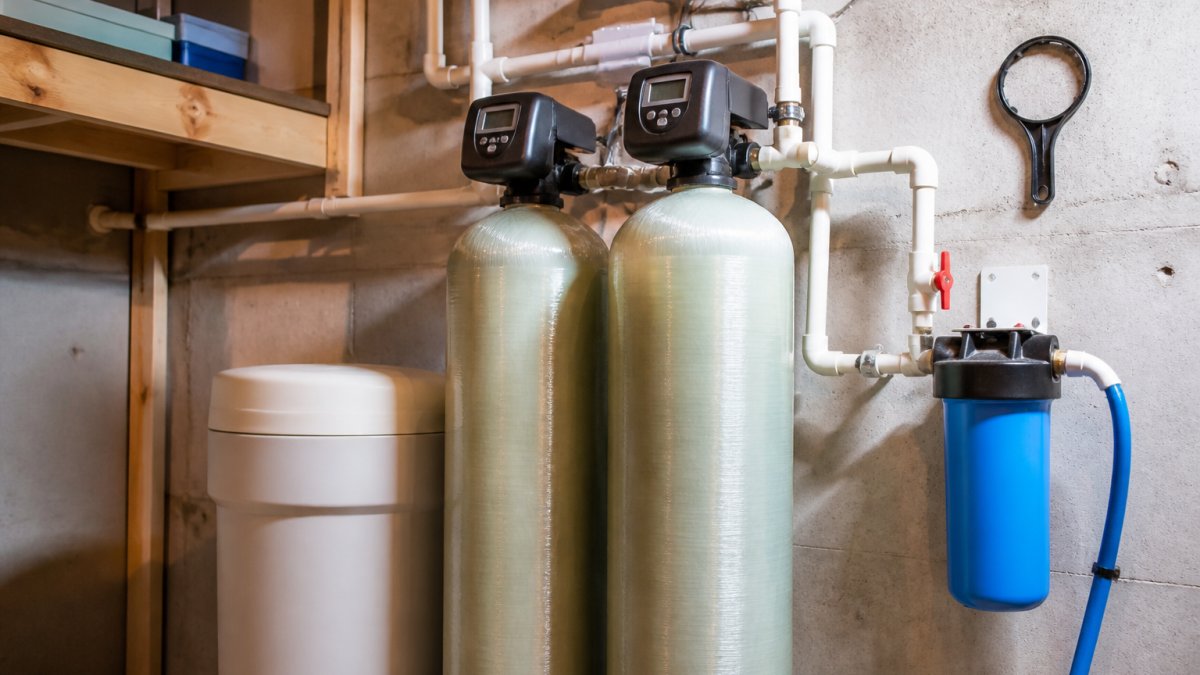
A whole-home water softener uses ion exchange technology to replace calcium and magnesium ions with sodium ions. Soft water doesn't precipitate minerals when heated. It doesn't clog spray nozzles or coat fabrics.
Water heaters in homes with soft water maintain their efficiency. No scale insulates the heating element. The tank stays clean inside. Operating costs drop noticeably.
Dishwashers and washing machines clean better with soft water. Dishes come out spot-free. Clothes feel soft and look vibrant. Fabrics last longer because they're not being abraded by mineral coatings.
Ice makers and water dispensers work reliably. Filters last longer. Refrigerator water lines don't clog. The overall reliability of water-dependent appliances improves dramatically.
Beyond appliances, soft water benefits your plumbing, your skin, and your hair. Showers feel better. Soap lathers properly. Pipes stay clear.
AquaShield Home Systems specializes in whole-home water softening systems tailored to your home's specific water quality.
Maintenance and Long-Term Protection
Even with a water softener, regular maintenance keeps your appliances running optimally. Understanding what to monitor helps you catch problems early.
Check faucet aerators and showerheads quarterly. If white buildup appears, it means your water softener may need adjustment or your system isn't reaching all fixtures.
Inspect your water softener's salt tank monthly. The system needs salt to regenerate and maintain softening capacity.
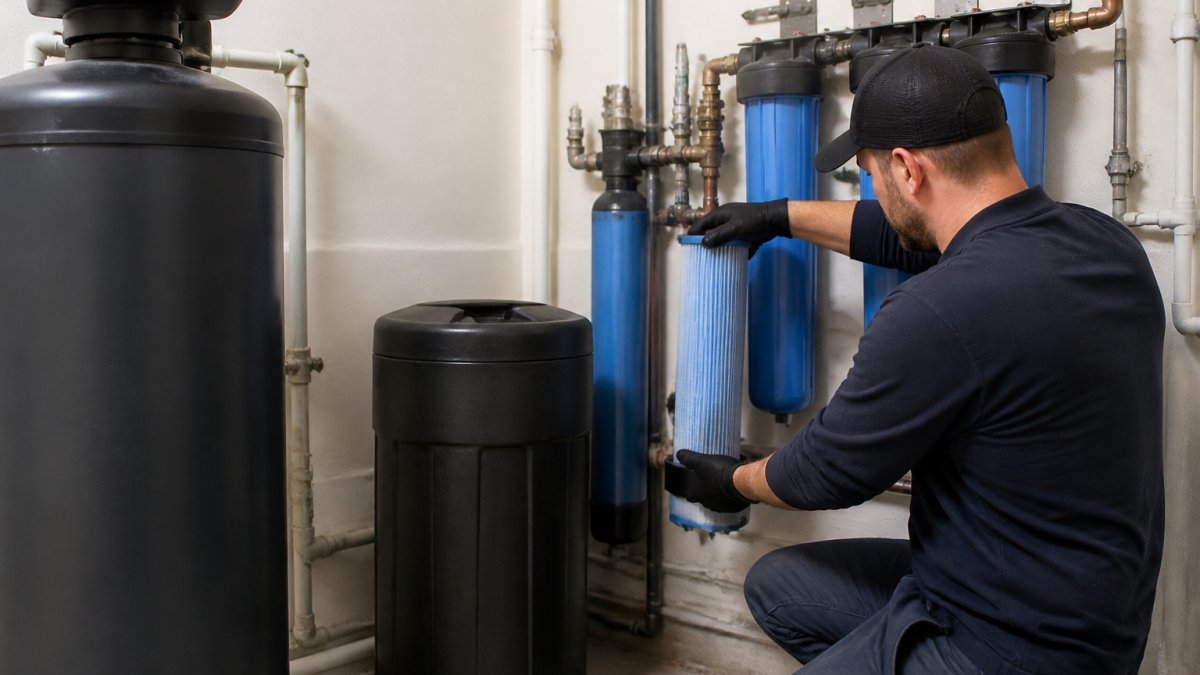
Have your water heater serviced annually. A professional can inspect the tank for sediment accumulation and corrosion.
For dishwashers and washing machines, run cleaning cycles monthly with appropriate cleaning products.
Monitor water pressure at fixtures. A gradual decrease suggests scale is building up in pipes.
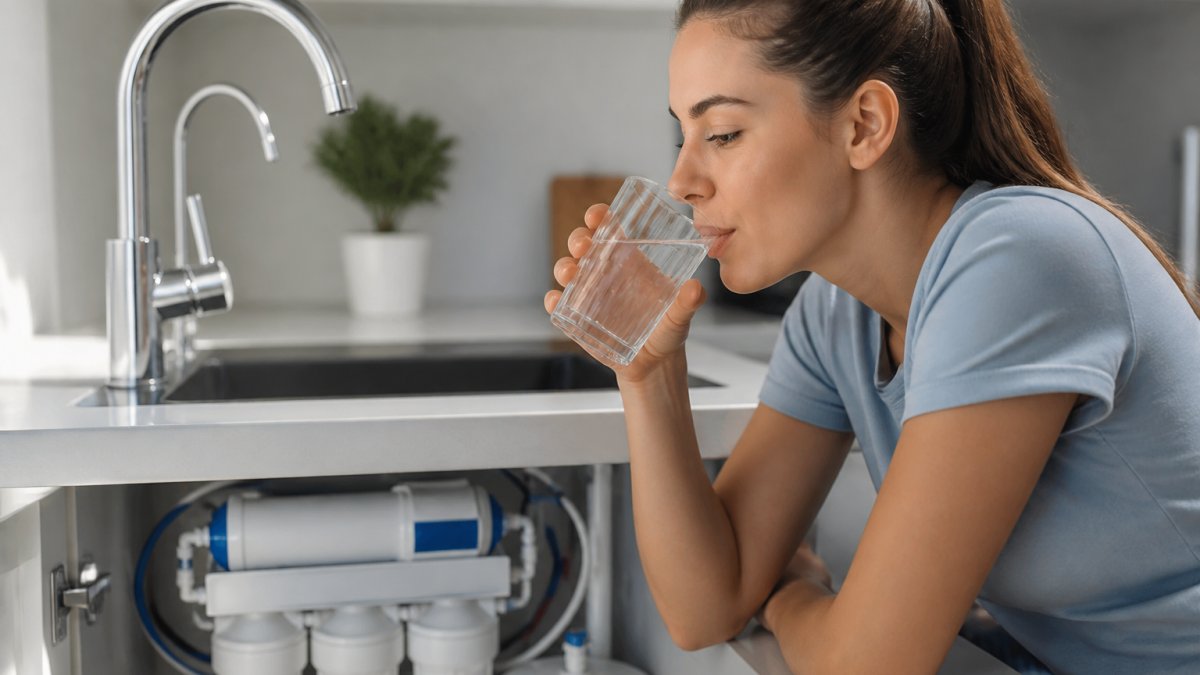
Consider reverse osmosis systems for drinking water if you want the highest water quality. These systems remove additional contaminants beyond what a water softener addresses.
Hard water damage to appliances is preventable. The minerals that cause scale, efficiency loss, and premature failure can be removed before they reach your home.
Frequently Asked Questions
How does hard water affect appliances?
Hard water contains calcium and magnesium that leave mineral scale inside appliances. This scale builds up on heating elements, spray nozzles, valves, and pipes, reducing water flow, forcing appliances to work harder, and shortening their lifespan. Water heaters lose efficiency, dishwashers spray less effectively, and washing machines use more detergent with less cleaning power. Over time, the added strain causes mechanical failures and higher energy bills.
What are the signs of hard water in your home?
Look for white or chalky buildup around faucets and showerheads, dull or stiff laundry even after washing, spots on dishes and glassware, reduced water pressure, and soap scum that doesn't rinse away. Your water heater may make popping or rumbling sounds as scale accumulates. If appliances seem to be working harder or breaking down more often, hard water is often the culprit. These signs indicate mineral deposits are accumulating in your plumbing and appliances.
Can hard water damage a water heater?
Yes. Calcium and magnesium settle on the heating element, forming an insulating layer of scale. This forces the heater to use more energy to reach the same temperature, reducing efficiency and increasing operating costs. The scale also traps sediment, which accelerates corrosion and can eventually cause leaks or complete failure. Regular descaling or installing a water softener can prevent this damage and extend your water heater's lifespan significantly.
Does a water softener help appliances last longer?
Yes. Water softeners remove calcium and magnesium before water enters your home, preventing mineral scale from forming inside appliances, pipes, and fixtures. This keeps heating elements clean, maintains water flow through spray nozzles and jets, and reduces the strain on motors and mechanical components. Appliances run more efficiently, use less energy, and experience fewer breakdowns. Most homeowners also see improved cleaning performance and reduced maintenance needs when using a water softener.