 ultimate-guide
Benefits of Reverse Osmosis for Drinking Water
Table of Contents
- How Reverse Osmosis Works
- What Does Reverse Osmosis Remove From Water
- Reverse Osmosis Water Benefits and Disadvantages
- Reverse Osmosis vs. Filtered Water
- Reverse Osmosis Filter Replacement Schedule
- Is Reverse Osmosis Right for Your Home
- Conclusion
- Frequently Asked Questions
Last Updated: October 12, 2026
How Reverse Osmosis Works
Reverse osmosis forces water molecules through a semipermeable membrane under pressure, pushing water from a more concentrated solution toward a less concentrated one, the mechanism that makes it so effective at removing dissolved solids.
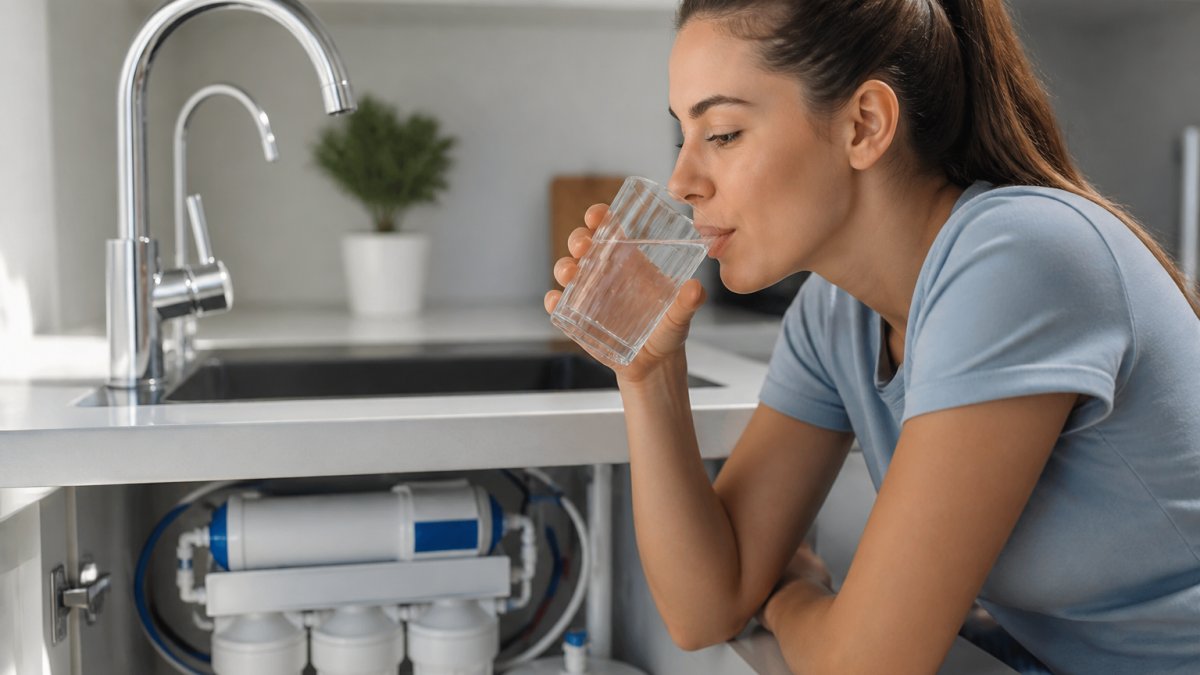
Multiple stages work together: a sediment pre-filter catches sand and rust, a carbon filter removes chlorine and odors, the RO membrane blocks dissolved minerals and salts, and a post-filter polishes the water before it reaches your tap.
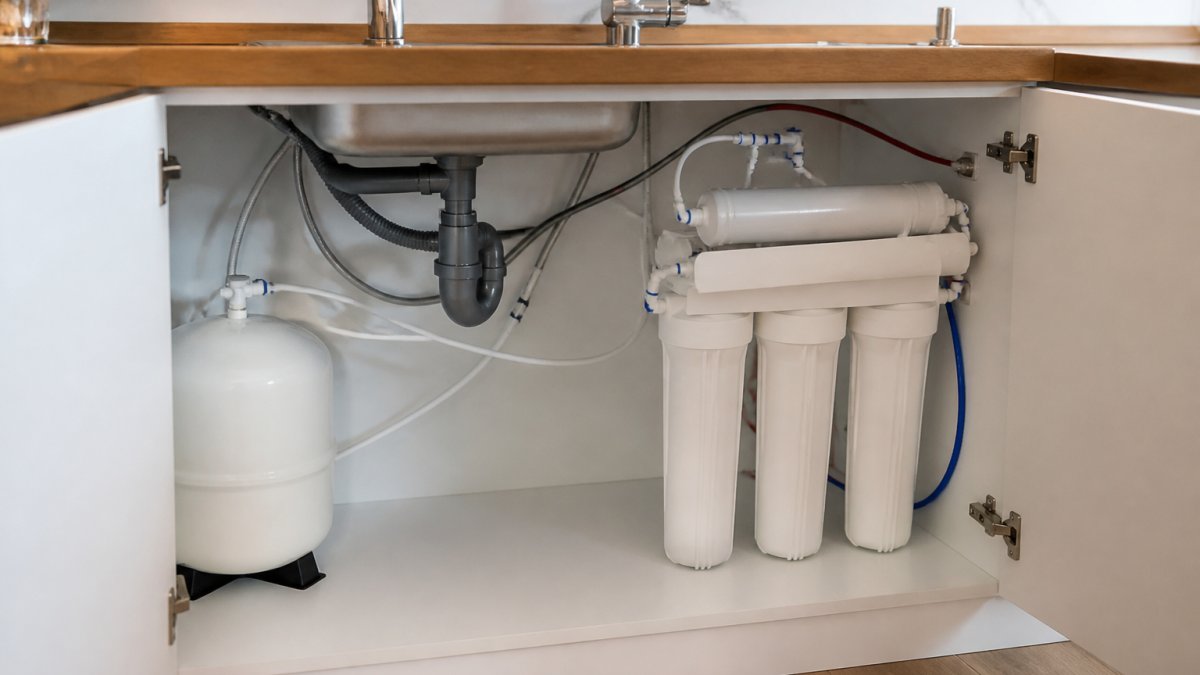
What sets RO apart is the pressure requirement. Most systems use your home's water pressure, though low-pressure homes may need a booster pump.
What Does Reverse Osmosis Remove From Water
Reverse osmosis is not a single, uniform filter. Performance varies by system design, membrane quality, filter configuration, incoming water chemistry, and membrane condition. A well-maintained unit with a high-quality membrane and carbon pre-filters will outperform a bargain unit, even if both are labeled "reverse osmosis."
Dissolved Solids and Minerals
Reverse osmosis excels at reducing total dissolved solids (TDS), the invisible sum of minerals, salts, and metals in solution. High TDS contributes to hard water problems: scaling on appliances, reduced soap effectiveness, and a chalky taste.
The RO membrane's fine pores block most dissolved solids, and a single pass through a quality system typically reduces TDS by a wide margin. Removing all minerals isn't always ideal, though, which is why some systems include remineralization stages that add trace minerals back post-filtration.
Chemical Contaminants and Microorganisms
Beyond minerals, reverse osmosis tackles chemical contaminants, chlorine residue, fluoride, pesticides, herbicides, and other synthetic chemicals in municipal or well water. Pre-filters and the RO membrane create multiple barriers, and the semipermeable membrane's pores are small enough to block bacteria and viruses. For well water households, RO also addresses iron bacteria, sulfur compounds, and other naturally occurring contaminants without ongoing chemical treatment.
Why Removal Claims Vary by System and Contaminant
Not every RO system removes every contaminant. A basic carbon pre-filter may reduce chlorine and sediment but pass through certain dissolved gases and volatile organic compounds, while a high-quality carbon block and tight membrane performs differently. Treat blanket claims like "removes 99% of everything" with skepticism, the meaningful question is which contaminants, at what concentration, under what conditions, and verified by whom.
How to Verify Performance: Certification and Testing
In the United States, the most reliable verification is independent certification. NSF International and the Water Quality Association (WQA) test systems against specific standards: Standard 42 covers aesthetic effects like chlorine taste and odor, Standard 53 covers health effects like lead and cysts, and Standard 58 specifically covers reverse osmosis. Ask for the performance data sheet, which lists tested contaminants, reduction percentages, and test conditions. If a manufacturer can't provide one, that's a red flag.
What TDS Does and Does Not Tell You
A TDS meter is useful but limited. It measures total dissolved solids by electrical conductivity but doesn't tell you what those solids are, a reading of 300 ppm could be mostly calcium and magnesium, or it could include lead, arsenic, or nitrate. TDS is most useful as a performance indicator: if treated-water TDS rises significantly relative to source water, the membrane may be failing or a filter may need replacement.
When to Test Your Water
On a private well, testing is essential because no municipal treatment applies; common tests include coliform bacteria, nitrate, arsenic, lead, and radon. On municipal water, your utility's annual consumer confidence report lists detected contaminants, a good starting point, but it reflects the utility's testing, not your tap.
Reverse Osmosis Water Benefits and Disadvantages
Key Benefits
Reverse osmosis delivers several meaningful improvements:
-
Superior taste and odor removal, water tastes noticeably cleaner without chlorine, sulfur, or mineral flavors.
-
Protection for appliances and plumbing, removing dissolved solids prevents mineral buildup on fixtures, pipes, and heating elements, extending equipment lifespan.
-
Reduced contaminant exposure, comprehensive filtration removes pesticides, pharmaceuticals, heavy metals, and other substances of concern.
-
Softer water benefits, skin feels smoother, hair is easier to manage, and soap works more effectively without competing against mineral ions.
-
Cost savings versus bottled water, for families buying bottled water regularly, an RO system pays for itself over time while eliminating plastic waste.
-
Customizable water quality, some systems allow you to adjust mineral content or combine RO water with filtered tap water to achieve your preferred balance.
Important Drawbacks to Consider
Reverse osmosis isn't perfect for every situation. Understanding the limitations helps you decide:
-
Wastewater generation, RO systems produce brine as a byproduct, generating 3-4 gallons of wastewater per gallon of purified water.
-
Slow production rate, a typical under-sink system fills a storage tank over several hours. High-volume households may need a larger tank.
-
Maintenance requirements, pre-filters and carbon filters need replacement every 6-12 months, and the RO membrane every 2-3 years. Neglecting maintenance reduces performance and can damage the membrane.
-
Mineral removal trade-offs, complete mineral removal means losing trace minerals some consider beneficial.
-
System cost and installation, quality reverse osmosis systems represent a significant upfront investment, and professional installation adds to the cost.
-
Water pressure dependency, low-pressure homes may need a booster pump, adding expense and complexity.
Reverse Osmosis vs. Filtered Water
The difference between reverse osmosis and standard filtration comes down to what each removes and how thoroughly. A carbon filter reduces chlorine, some pesticides, and odors, but it doesn't remove dissolved minerals or microorganisms as completely as reverse osmosis. If taste and odor are your main concern, a carbon filter may be sufficient. RO goes further: it reduces the dissolved solids carbon filters pass through, targets more chemical contaminants, and blocks microorganisms. The trade-off is complexity and maintenance, a carbon filter requires less upkeep, while RO demands regular filter changes and produces wastewater.
A Decision Framework: When RO Is Worth It and When It Is Not
Not every home needs reverse osmosis. The right choice depends on what's actually in your water.
Start with your water source. Municipal utilities treat for regulated contaminants and publish results in an annual consumer confidence report. On a private well, testing is the only way to know what you have.
Identify your specific concerns. Hardness and scale call for a water softener; iron or sulfur odor calls for iron removal.
Consider where you need treatment. A whole-home filter treats every tap but isn't designed to remove dissolved solids; an under-sink RO treats only the drinking water tap but does so thoroughly.
When RO may not be necessary. If your water report shows no contaminants of concern, hardness is manageable, and your main complaint is chlorine taste, a quality carbon filter may solve the problem with less maintenance.
TDS, Hardness, and What Your Report Actually Tells You
A TDS meter gives you one number, total dissolved solids in parts per million, but not whether those solids are calcium, magnesium, sodium, lead, or arsenic. Hardness is separate, usually reported as grains per gallon or milligrams per liter of calcium carbonate. It isn't a health risk but causes scale and reduces soap effectiveness. A softener addresses hardness; RO addresses TDS and a broader contaminant range. When reading your water report, look for specific contaminants, detected levels, and the maximum contaminant level (MCL) or health advisory for each.
Combining Technologies
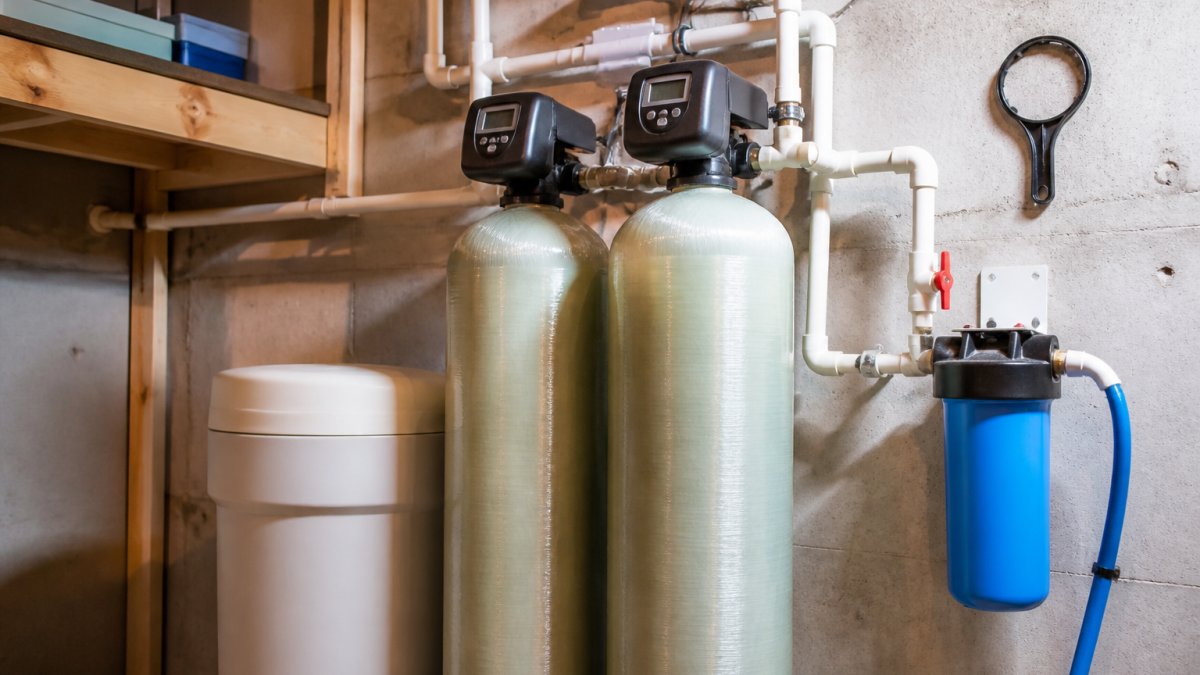
Reverse osmosis and other filtration methods aren't competitors so much as tools for different jobs. A common setup pairs a whole-home water softener for hardness and scale with an under-sink RO at the kitchen tap for drinking water. Some households add a whole-home carbon filter to reduce chlorine before the softener and RO, protecting the RO membrane. This layered approach treats each problem with the right tool instead of asking one system to do everything.
Reverse Osmosis Filter Replacement Schedule
Maintaining your RO system means staying on top of filter replacements. Each stage has a different lifespan, and keeping track prevents performance decline.
Pre-filters (sediment filters) typically last 6-12 months depending on incoming water quality. Visible sediment or decreasing flow rate means sooner replacement.
Carbon filters also run 6-12 months under normal conditions. They absorb chlorine and organic compounds and lose effectiveness over time, waiting too long lets chlorine reach and permanently damage the RO membrane.
The RO membrane lasts 2-3 years with proper maintenance. It's the most expensive component, so protecting it with timely pre-filter and carbon filter changes is crucial.
Post-filters vary by system but typically last 12 months. They're less critical for function but improve final water taste and quality.
Tracking replacement dates prevents problems. Many systems include filter-change indicators, and some households set phone reminders.
Is Reverse Osmosis Right for Your Home
Reverse osmosis makes sense if you have specific water quality problems or health and taste priorities that demand comprehensive filtration. Chlorine taste, discoloration, sulfur smell, or mineral buildup on fixtures are all addressed directly by RO. Families concerned about contaminant exposure from municipal or well water benefit from RO's comprehensive filtration. If your water quality is already good and cost is the main concern, a simpler carbon filter might meet your needs. The best approach is testing your water and understanding exactly what you're dealing with. At AquaShield Home Systems, we help homeowners in Northern Colorado and the Denver metro area assess their water quality and determine whether reverse osmosis, water softening, iron removal, or another solution fits their situation. We take a pressure-free approach, recommending only what your water actually needs.
Conclusion
Reverse osmosis transforms drinking water by removing dissolved solids, chemical contaminants, and microorganisms other filtration methods miss, and the benefits of reverse osmosis for drinking water are substantial for households dealing with hard water, mineral buildup, or taste and odor problems. The benefits of reverse osmosis for drinking water are substantial for households dealing with hard water, mineral buildup, or taste and odor problems.
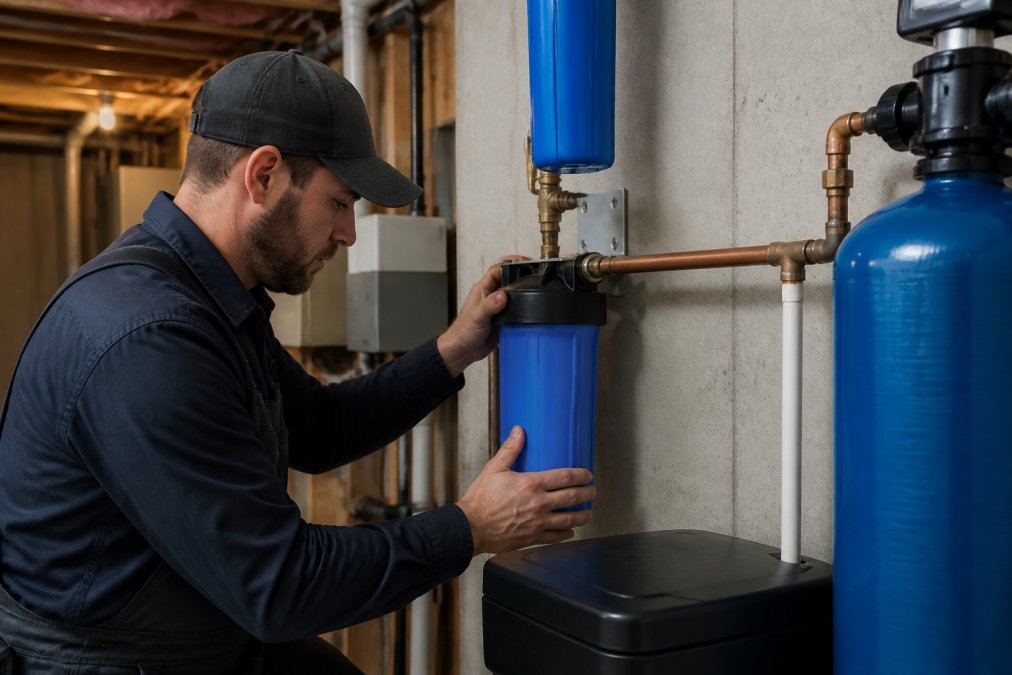
If you're dealing with hard water, mineral scaling on appliances, or concerns about drinking water quality in Northern Colorado or the Denver area, AquaShield Home Systems can help. Our licensed professionals assess your water, recommend the right filtration solution for your needs, and handle professional installation and maintenance. We specialize in reverse osmosis systems, whole-home water softeners, and iron removal, all tailored to your local water quality challenges.
Frequently Asked Questions
What does reverse osmosis remove from drinking water?
Reverse osmosis removes dissolved solids, heavy metals like lead, chlorine, fluoride, bacteria, and microorganisms by forcing water through a semipermeable membrane. The RO membrane blocks most impurities while allowing pure water molecules to pass through. This process significantly reduces total dissolved solids (TDS) and chemical contaminants, resulting in cleaner, safer drinking water with improved taste.
Is reverse osmosis water safe to drink?
Yes, reverse osmosis water is safe for most people and provides high-quality drinking water by removing harmful contaminants and impurities. However, because RO removes both harmful and beneficial minerals like calcium and magnesium, some people prefer remineralization systems that restore trace minerals. If you have specific health concerns or sensitivities, consult your doctor about your water quality needs.
How often should you change reverse osmosis filters?
Pre-filters typically need replacement every 6-12 months, while the RO membrane usually lasts 2-3 years depending on your water quality and usage. Post-filters generally require changing annually. Regular filter replacement maintains system efficiency and water quality. Professional maintenance helps ensure your system performs optimally and extends the life of the membrane.
What's the difference between reverse osmosis and filtered water?
Standard water filters remove sediment, chlorine, and some odors through carbon filtration, but they don't eliminate dissolved solids or many chemical contaminants. Reverse osmosis goes further by using a semipermeable membrane to remove up to 99% of dissolved solids, heavy metals, bacteria, and microorganisms. RO provides more thorough purification, making it ideal for homes with hard water, mineral buildup, or contamination concerns.