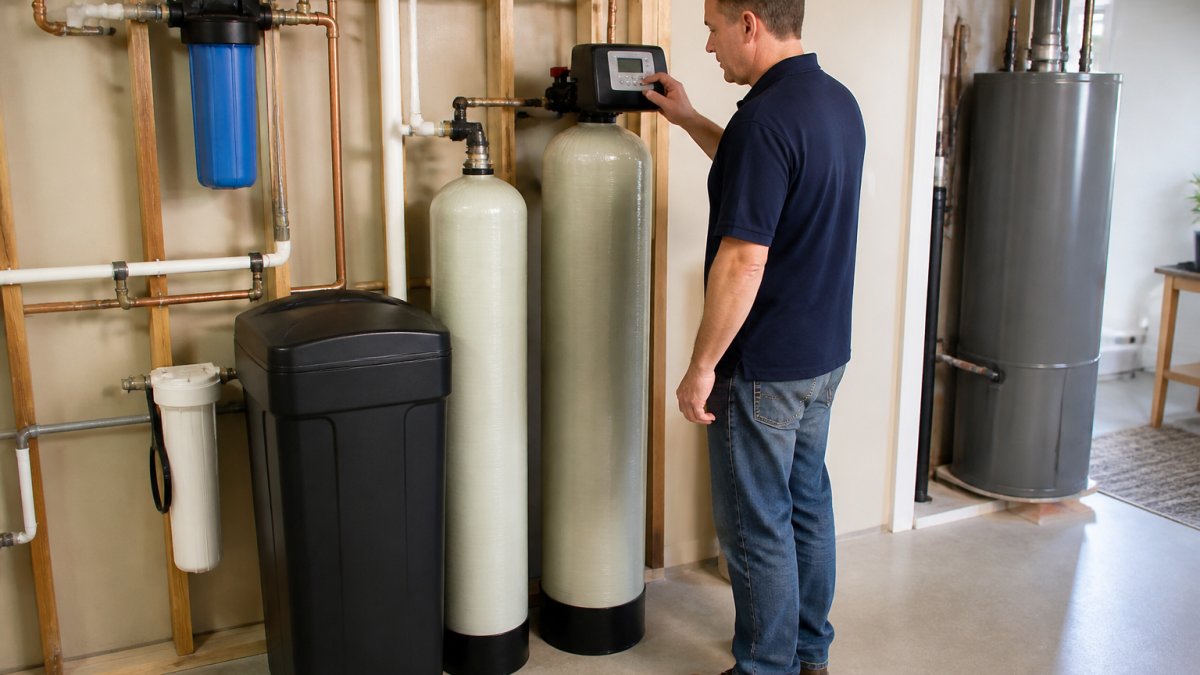
 listicle
Best Whole Home Water Softener for Colorado
Table of Contents
- Why Colorado Homes Need Water Softening
- Quick Comparison: Top Whole Home Water Softener Systems
- 1. AquaShield Home Systems: Professional Installation and Local Expertise
- 2. SpringWell SS: High-Flow Performance for Large Households
- 3. Fleck 5600SXT: Durable, Repairable, Budget-Friendly
- 4. Aquasure Harmony Series: All-in-One Softening and Filtration
- 5. SoftPro Elite: High-Efficiency Salt Usage for Eco-Conscious Homeowners
- 6. Rheem Preferred Platinum: Smart Features at Entry-Level Pricing
- How to Clean Hard Water Scale from Coffee Makers and Appliances
- Water Hardness Testing and System Sizing for Colorado Homes
- Maintenance, Salt Usage, and Regeneration Cycles
- Installation Requirements and Plumbing Considerations
- Reverse Osmosis Integration for Drinking Water Quality
- Why Professional Installation Matters in Colorado
- Getting Started: Free Water Assessment and Transparent Pricing
- Frequently Asked Questions
Last Updated: October 2, 2026
Why Colorado Homes Need Water Softening
Colorado's mineral-rich groundwater contains elevated calcium and magnesium ions that cause scale buildup, appliance damage, and reduced water quality. The state's dry climate accelerates mineral deposits on fixtures and pipes. AquaShield Home Systems has spent five years helping Northern Colorado families solve these problems with tailored whole home water softener solutions.
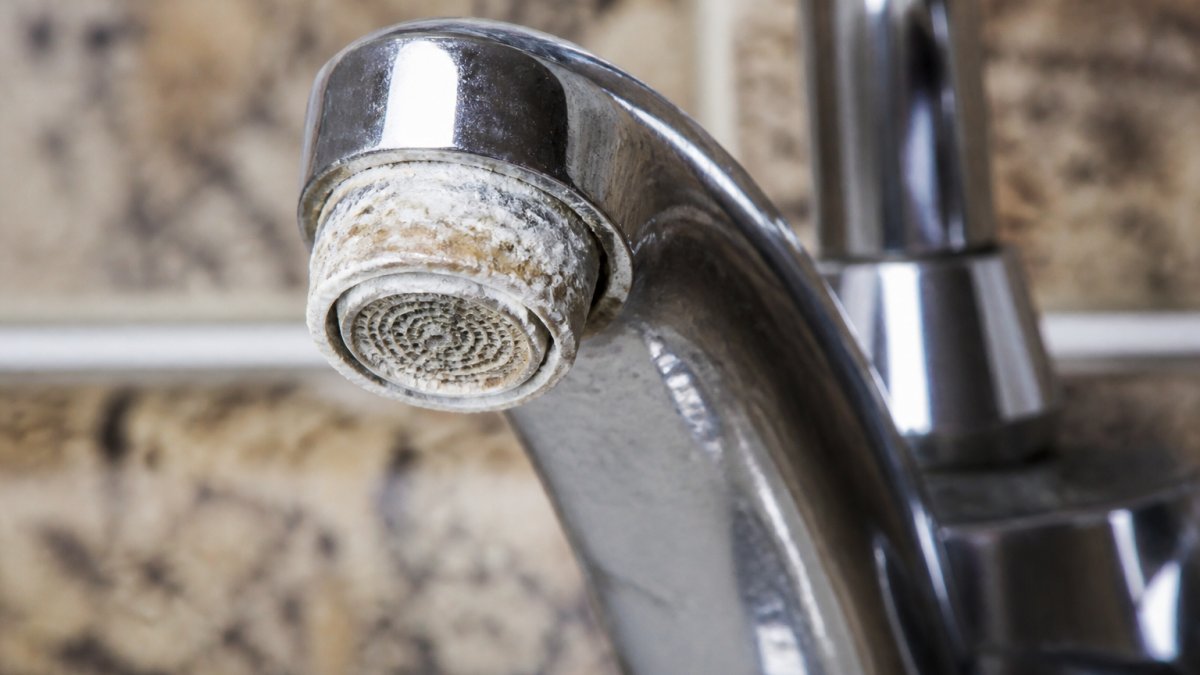
Scale buildup reduces water heater efficiency, clogs showerheads, and shortens appliance lifespan, often costing homeowners in energy bills and unexpected repairs.
A whole home water softener uses ion exchange technology to remove calcium and magnesium before water enters your home, protecting plumbing, improving pressure, and extending appliance life.
Quick Comparison: Top Whole Home Water Softener Systems
The systems below represent the best whole home water softener options across different priorities: flow rate, budget, and efficiency.
| System | Best For | Key Advantage | Notable Consideration |
|---|---|---|---|
| AquaShield Home Systems | Colorado families seeking professional installation | Licensed local installers, customized for regional water | Free estimate required |
| SpringWell SS | Large households needing high flow rates | 20 GPM flow rate, lifetime valve warranty | Higher upfront investment |
| Fleck 5600SXT | Budget-conscious homeowners valuing durability | Proven mechanical design, easy repairs | Requires manual programming |
| Aquasure Harmony Series | Homes needing softening plus sediment filtration | All-in-one system, affordable entry point | Regular filter cartridge replacements |
| SoftPro Elite | Environmentally conscious users | High-efficiency salt usage, compact design | More complex installation |
| Rheem Preferred Platinum | Small to medium households | Competitive pricing, smart monitoring features | Lower grain capacity |
1. AquaShield Home Systems: Professional Installation and Local Expertise
AquaShield Home Systems brings five years of licensed local experience to every installation. We begin with a free water quality assessment testing for hardness, iron, and contaminants specific to your location, determining which whole home water softener system actually fits your needs.
Our transparent pricing model shows exactly what you're paying for: installation, system sizing, and maintenance, upfront.
We serve Estes Park, Berthoud, Fort Collins, Longmont, and Lafayette with whole home water softeners, reverse osmosis systems, and iron removal solutions.
2. SpringWell SS: High-Flow Performance for Large Households
The SpringWell SS is engineered for high-demand households running multiple showers and outdoor irrigation simultaneously while maintaining water pressure.
Pros:
- High flow rate prevents pressure loss
- Lifetime control valve warranty
- Efficient regeneration technology
Cons:
- Higher upfront investment than budget models
- Requires professional assessment of your plumbing layout
3. Fleck 5600SXT: Durable, Repairable, Budget-Friendly
The Fleck 5600SXT is an industry standard whole home water softener built on proven mechanical design with fewer electronic components and fewer failure points.
Pros:
- Highly reliable mechanical components
- Abundant replacement parts
- Budget-friendly option
Cons:
- Requires manual programming
- No automated monitoring features
- Less efficient regeneration than newer systems
4. Aquasure Harmony Series: All-in-One Softening and Filtration
The Aquasure Harmony Series bundles water softening with sediment and carbon filtration in one system, simplifying plumbing for Colorado homes with hardness and sediment concerns.
Pros:
- Affordable price point
- All-in-one filtration and softening
- Electronic metered regeneration
Cons:
- Requires regular filter cartridge replacements
- Less strong warranty than premium systems
5. SoftPro Elite: High-Efficiency Salt Usage for Eco-Conscious Homeowners
The SoftPro Elite uses upflow regeneration to minimize salt and water waste, justifying its higher upfront cost for environmentally conscious homeowners seeking lower operational expenses.
Pros:
- Reduces operational costs through efficiency
- Compact footprint
- Environmentally conscious design
Cons:
- More complex installation
- Higher upfront investment
6. Rheem Preferred Platinum: Smart Features at Entry-Level Pricing
The Rheem Preferred Platinum brings smart monitoring at an affordable price, sending alerts for salt and maintenance needs.
Pros:
- Very competitive pricing
- Smart monitoring features
- Compact and easy to maintain
Cons:
- Lower grain capacity limits large households
- Basic feature set
How to Clean Hard Water Scale from Coffee Makers and Appliances
Hard water scale, calcium and magnesium deposits in appliances and fixtures, requires targeted cleaning. A whole home water softener prevents new scale from forming.
For coffee makers: Fill the reservoir with equal parts white vinegar and water. Run the brew cycle halfway through, then let the machine sit for 15 minutes. Complete the cycle, then run two full cycles of plain water to rinse. This dissolves scale inside the heating element and internal tubes without damaging the machine.
For faucet aerators and showerheads: Unscrew the aerator from the faucet or remove the showerhead. Soak in a cup of white vinegar for 2-4 hours. Use an old toothbrush to scrub away loosened deposits, then rinse thoroughly under running water before reinstalling.
For kettles: Fill with equal parts vinegar and water, bring to a boil, then let sit for one hour. Scrub the interior with a soft brush, rinse multiple times with fresh water, and boil plain water once more to remove any vinegar taste.
For dishwashers: Run an empty cycle with two cups of white vinegar placed in a bowl on the bottom rack. This cleans internal spray arms and heating elements. Follow with a normal cycle using your regular detergent.
For washing machines: Run a hot water cycle with two cups of white vinegar and no clothes. This removes scale from the drum and internal plumbing.
Cleaning removes existing scale but doesn't prevent its return, which is why a whole home water softener makes sense for Colorado homeowners.
Water Hardness Testing and System Sizing for Colorado Homes
Before selecting a whole home water softener, test your water hardness. Water hardness varies by location. Well water in rural areas often runs harder than municipal supplies.
Testing your water: Purchase a hardness test kit from any hardware store, or request free water analysis from AquaShield Home Systems.
Sizing your system: Grain capacity is the hardness a system removes before regeneration. Calculate daily usage (household size × 75-100 gallons per person) × hardness level in GPG. Example: A family of four using 300 gallons daily with 10 GPG hardness needs 3,000 grain removal capacity; a 32,000 grain system regenerates every 10 days.
Colorado-specific considerations: The dry climate accelerates scale on outdoor fixtures. Well water requires testing for iron and sulfur, which need specialized removal beyond basic softening. Elevation affects water chemistry and regeneration efficiency.
Maintenance, Salt Usage, and Regeneration Cycles
A whole home water softener requires straightforward ongoing maintenance: monitoring and refilling the brine tank with salt.
Salt consumption varies by hardness and usage. A family of four in moderate hardness uses 40-50 pounds monthly; very hard water uses 60-80 pounds. High-efficiency systems reduce consumption by 20-30%.
Regeneration cycles occur when the resin bed saturates with calcium and magnesium. The system flushes with brine water to restore softening ability. Most modern systems use demand-initiated regeneration.
Annual maintenance includes checking salt levels monthly, inspecting for salt bridging, flushing annually, and testing hardness.
Installation Requirements and Plumbing Considerations
A whole home water softener must be positioned after your water meter but before fixtures to ensure all household water passes through softening.
Reverse Osmosis Integration for Drinking Water Quality
While a whole home water softener addresses hard water throughout your home, reverse osmosis systems complement it by removing dissolved solids and chlorine from drinking water.
Why Professional Installation Matters in Colorado
Installing a whole home water softener isn't a DIY project. Poor installation causes inadequate pressure, incomplete softening, or premature resin failure.
Professional installation ensures your system works as designed.
Getting Started: Free Water Assessment and Transparent Pricing
AquaShield Home Systems offers a free water quality assessment testing for hardness, iron, sulfur, and location-specific contaminants to determine which whole home water softener system solves your problem.
Frequently Asked Questions
What water hardness level requires a whole home water softener?
Water hardness above 60 parts per million (ppm) or 3.5 grains per gallon typically benefits from a whole home water softener. Most Colorado homes fall into the 100-300 ppm range. A water quality test from a licensed professional will reveal your exact hardness level and help determine if softening is necessary for your household.
How do I know if I need iron removal solutions for well water?
Signs of iron in well water include reddish or brown staining on fixtures, rotten egg smell (from hydrogen sulfide), or a metallic taste. Iron removal solutions like sediment filters, oxidizing filters, or iron-specific softeners address these issues. A water test confirms iron concentration, and AquaShield Home Systems can recommend the right treatment for your well water chemistry.
How often do I need to refill salt in a water softener?
Most households refill salt every 4-8 weeks, depending on water hardness, household size, and system grain capacity. Higher hardness levels and larger families require more frequent refilling. Modern systems with electronic metering use salt more efficiently. Your installer will provide a maintenance schedule based on your specific water quality and usage patterns.
Can I install a whole home water softener myself, or do I need a professional?
While some homeowners tackle DIY installation, professional installation ensures proper plumbing connections, correct system sizing, and compliance with local codes. A licensed installer verifies water pressure compatibility, positions the brine tank correctly, and tests the system before handoff. Professional service also preserves your warranty and guarantees the system performs as designed.
What's the difference between a water softener and a water conditioner?
Water softeners use ion exchange to remove calcium and magnesium ions, actually eliminating hardness minerals. Water conditioners (like electronic descalers) prevent scale buildup but don't remove minerals from the water. For Colorado's hard water, ion exchange softeners provide more comprehensive results, especially for appliance protection and water quality improvement.