 Listicle
5 Best Under Sink Reverse Osmosis Systems for 2026
Last Updated: November 17, 2026
Quick Summary
The best under sink reverse osmosis system for most households is the Cloud RO, a tank-based unit that reduced or removed every contaminant tested in independent review. Choose the Waterdrop G3P600 for tight cabinets, the APEC Essence 5-Stage for a proven five-stage design, the APEC ROES-PH75 for budget remineralization, or the Waterdrop X Series for high daily output.
- Tank-based systems need cabinet room for a pressure tank, often 11 to 14 inches tall.
- Tankless models like the Waterdrop G3P600 produce water on demand but start slower than tank units.
- Plan on about 1 gallon of drinking water per person per day when sizing a system.
- Well water usually needs iron, sulfur, or sediment pretreatment ahead of the RO membrane.
- Advertised pure-to-drain ratios rise in real kitchens with low pressure and cold water.
Table of Contents
- Quick Comparison: 5 Best Under Sink Reverse Osmosis Systems
- How We Evaluated These Under Sink Reverse Osmosis Systems
- 1. Cloud RO: Best Overall Tank-Based Pick
- 2. Waterdrop G3P600: Best Compact Tankless Option
- 3. APEC Essence 5-Stage: Best Conventional Multi-Stage System
- 4. APEC ROES-PH75: Best Budget Pick with Remineralization
- 5. Waterdrop X Series: Best High-Capacity Under Sink System
- Best Reverse Osmosis System for Well Water: What Northern Colorado Homeowners Should Know
- Frequently Asked Questions
Quick Comparison: 5 Best Under Sink Reverse Osmosis Systems
The right under sink reverse osmosis system comes down to three things: how much space you have, how much water your household uses, and how much upkeep you can live with. This guide narrows the field to five systems worth your attention, with honest trade-offs for each.
RO systems work by pushing water through a semipermeable membrane that traps dissolved solids, lead, and other contaminants while letting water molecules pass. A good unit pairs that membrane with sediment and carbon pre-filters so the membrane isn't doing all the heavy lifting alone.
Below, we break down what each system does well, where it falls short, and who it actually fits. We'll also cover what well-water homeowners in Northern Colorado need to know before buying.
| System | Type | Best For | Standout Trait |
|---|---|---|---|
| Cloud RO | Tank-based | Most households | Broad contaminant reduction in testing |
| Waterdrop G3P600 | Tankless | Tight cabinets | Compact footprint |
| APEC Essence 5-Stage | Multi-stage tank | Traditional setups | Proven five-stage design |
| APEC ROES-PH75 | Tank with remineralization | Budget buyers | pH-balancing final stage |
| Waterdrop X Series | High-capacity tankless | Big households | High daily output |
How We Evaluated These Under Sink Reverse Osmosis Systems
A useful comparison weighs filtration stages, daily capacity, tank or tankless design, installation demands, and long-term maintenance. Contaminant removal claims matter, but so does whether a unit actually fits under a standard kitchen cabinet and whether replacement filters are easy to source.
Independent certification carries weight here. Look for NSF/ANSI 58 for RO performance and NSF/ANSI 42 or 53 for carbon filtration claims, since those standards verify what a manufacturer advertises. A unit without certification isn't automatically bad, but you're taking the claim on faith.
The Fit and Compatibility Checklist
Before you compare specs, confirm the unit will physically work in your kitchen. These are the questions that usually decide a purchase:
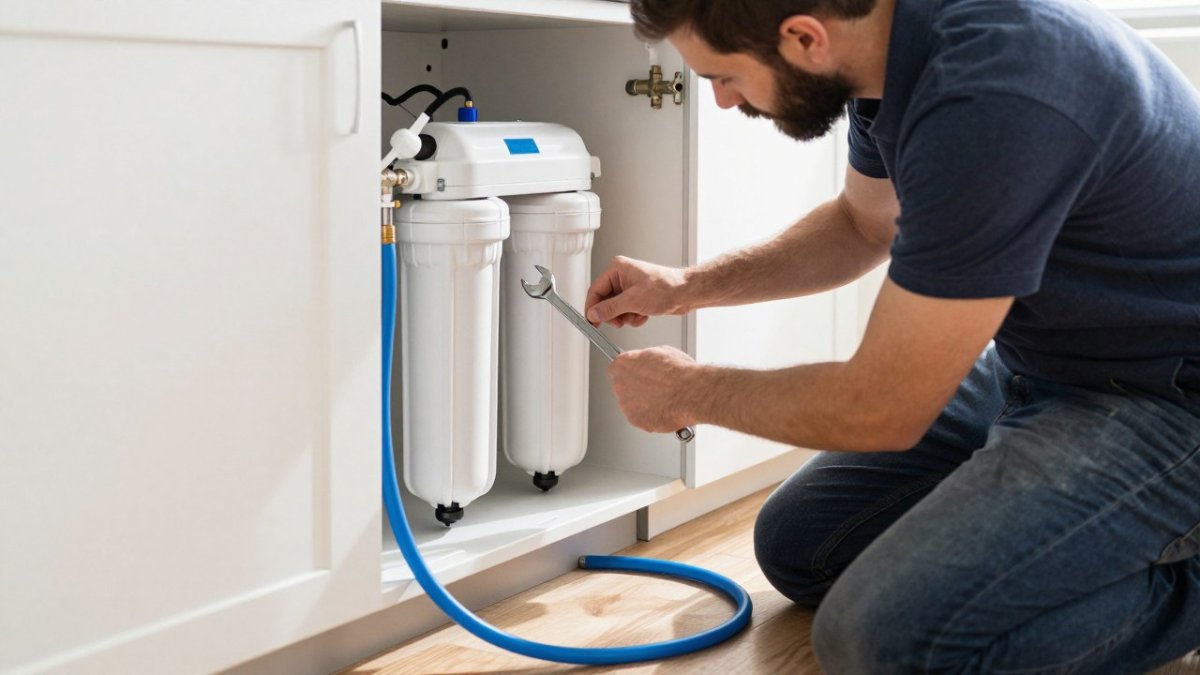
- Cabinet clearance. Measure height, width, and depth under the sink with the plumbing and disposal in place. Tank-based systems need room for a pressure tank, often 11 to 14 inches tall and 9 to 11 inches in diameter. Tankless units mount to the cabinet wall and free up floor space but still need a few inches of clearance for the housing and tubing.
- Faucet hole. Most under sink RO systems ship with a dedicated drinking-water faucet that needs a 1/2-inch or 7/8-inch hole in the sink deck or countertop. If you don't want to drill, check whether the system can feed an existing faucet or a refrigerator line instead.
- Plumbing connection. Confirm the feed adapter matches your supply line, most kits include a 3/8-inch compression tee, but older homes may need an adapter. Drain connections typically use a saddle valve or a dishwasher-style wye.
- Power for tankless. Tankless models need a nearby grounded outlet, usually 110-120V. If your cabinet has no outlet, factor in the cost of adding one.
- Feed-water pressure and temperature. RO membranes are rated for a specific pressure range, commonly 40-80 psi, and feed water around 40-100°F. Low pressure slows production and raises waste; cold winter water does the same. A booster pump may be needed in low-pressure homes.
Total Cost of Ownership, Not Just Sticker Price
Upfront price tells only part of the story. A realistic three-year view includes the purchase price, sediment and carbon pre-filter changes (often every 6-12 months), the RO membrane (typically every 2-3 years), any post-filter or remineralization cartridge, and the water and sewer cost of the concentrate stream.
Two maintenance questions separate a good purchase from a regret: how often do filters need changing, and how long does the membrane last? For the process of replacing filters, see our guide on how to change reverse osmosis filters. For membrane life, read how long reverse osmosis membranes last before you commit.
1. Cloud RO: Best Overall Tank-Based Pick
Cloud RO is a conventional tank-based under sink reverse osmosis system. Water Filter Guru's review named it the best-tested under-sink filter and reported that it reduced or removed every contaminant tested.
A storage tank means you get a steady pour even when the membrane is mid-cycle. That matters if two people are filling pitchers at once. The trade-off is bulk: a pressure tank eats cabinet space, so measure before you buy.
Pros and Cons
Pros:
- Broad contaminant reduction in independent testing
- Tank design delivers consistent flow at the faucet
- Relies on household water pressure, no pump to fail
Cons:
- Tank takes up significant cabinet room
- Check the manufacturer for current pricing and full specifications
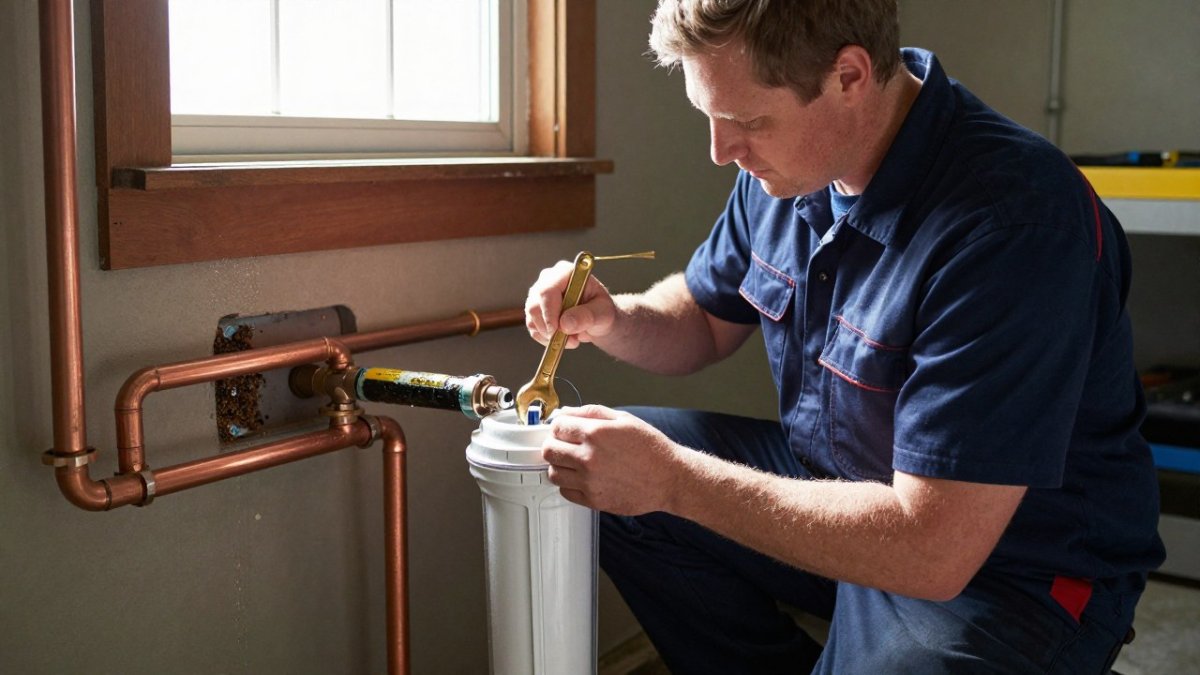
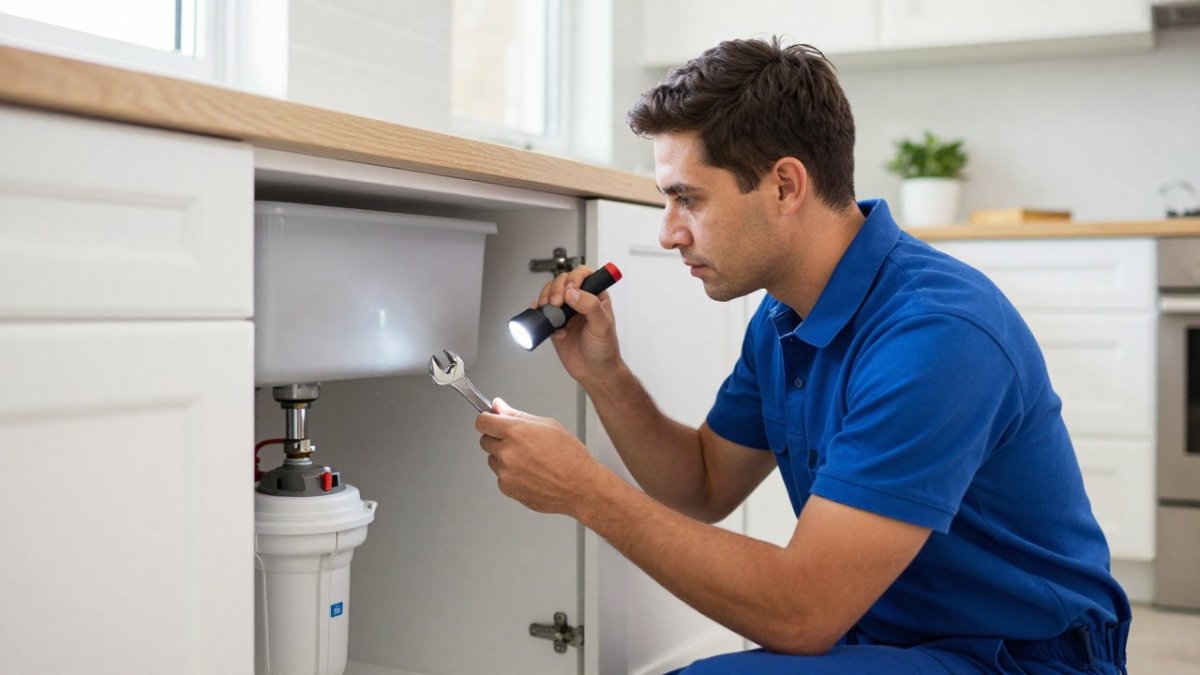
If you'd rather not crawl under the sink with a wrench, reverse osmosis system installation in Wellington, CO covers what professional setup involves.
2. Waterdrop G3P600: Best Compact Tankless Option
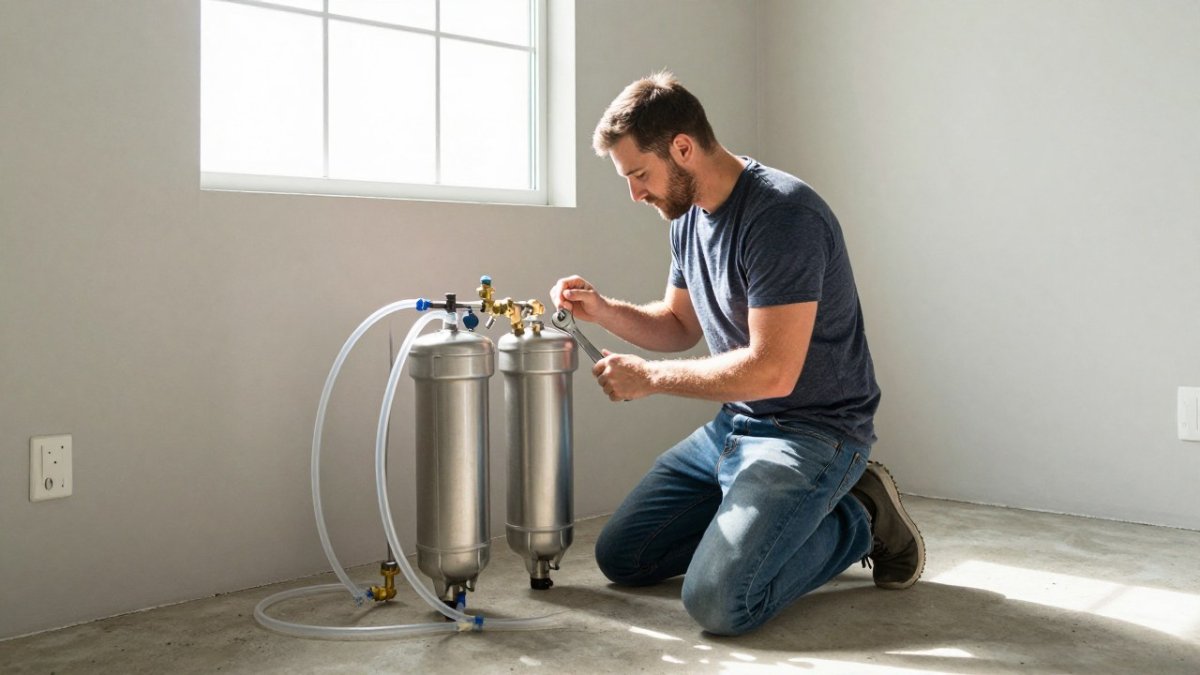
TechGearLab named the Waterdrop G3P600 a favorite under-sink filtration system, and its compact tankless design is one reason it stands out. No storage tank means it slides into cabinets where a tank-based unit simply won't go.
Tankless systems produce water on demand, so the first glass comes out slower than from a tank. In practice, that's a minor annoyance for most families and a real one for anyone filling large pots daily.
Pros and Cons
Pros:
- Compact footprint suits tight cabinets
- No tank to sanitize or replace
- Backed by hands-on testing recognition
Cons:
- Slower initial flow than tank-based systems
- Detailed specs and current pricing weren't verified in our sources
3. APEC Essence 5-Stage: Best Conventional Multi-Stage System
The APEC Essence 5-Stage is the traditionalist's choice: sediment filter, two carbon blocks, RO membrane, and a post-filter, arranged in the familiar configuration that's been reliable for years.
Five stages give you layered protection. Sediment catches grit, carbon handles chlorine and taste, the membrane tackles dissolved solids, and the post-filter polishes the water before it hits your glass.
Pros and Cons
Pros:
- Proven five-stage layout
- Strong retail availability for replacement filters
- Familiar design that most plumbers can service
Cons:
- Tank-based, so it needs cabinet clearance
- Check the manufacturer for capacity and included components
4. APEC ROES-PH75: Best Budget Pick with Remineralization
The APEC ROES-PH75 is a budget-conscious option for anyone who wants an under-sink reverse osmosis system with remineralization. Water Filter Guru flagged it as a budget conventional RO option, and its final stage adds minerals back to the water.
RO strips nearly everything, including the minerals that give water its body. A remineralization stage addresses the flat taste some people notice. If that appeals to you, alkaline remineralization system installation in Wellington, CO explains how a dedicated system works alongside your RO unit.
Pros and Cons
Pros:
- Remineralization stage improves taste
- Budget-friendly conventional design
- Simple maintenance schedule
Cons:
- Current price and detailed specs weren't verified
- Tank-based footprint
5. Waterdrop X Series: Best High-Capacity Under Sink System
For large households, the Waterdrop X Series is a high-capacity option. Check Waterdrop's product page for current pricing.
High daily capacity matters when four or more people share a kitchen. You're paying for throughput and tankless convenience, so this only makes sense if your household actually uses that volume.
Pros and Cons
Pros:
- High daily output suits big families
- Tankless design saves cabinet space
- Check the manufacturer's site for current pricing
Cons:
- Highest price on this list
- Filtration stages and technical specs weren't confirmed in our sources
Best Reverse Osmosis System for Well Water: What Northern Colorado Homeowners Should Know
Well water changes the calculus. Iron, sulfur, and sediment can foul an RO membrane fast, so the best reverse osmosis system for well water usually needs pretreatment before the membrane ever sees a drop. An RO unit is usually the last stage of a treatment train, not the whole train.
Rotten-egg smell means sulfur, and rust stains point to iron. An RO system alone won't fix either. You need iron removal or a sediment pre-filter ahead of the RO unit, or you'll be replacing membranes far too often. A common pattern is a sediment filter first, then iron and sulfur treatment if tests show they're present, then carbon, then the RO membrane.
Sizing the System to Your Household
Production capacity and storage should match how many people share the kitchen. As a rule of thumb, plan on about 1 gallon of drinking water per person per day, then add margin for cooking and pets. A two-person household is usually well served by a tank-based system with a 3- to 4-gallon storage tank and a 50-75 gallon-per-day membrane. Families of four or more, or anyone filling large pots daily, should look at higher daily output or a tankless unit with a fast recovery rate.
Water Waste Under Real Conditions
Advertised pure-to-drain ratios are measured at ideal pressure and temperature. In a real kitchen, lower feed pressure and cold winter water push waste up and output down.
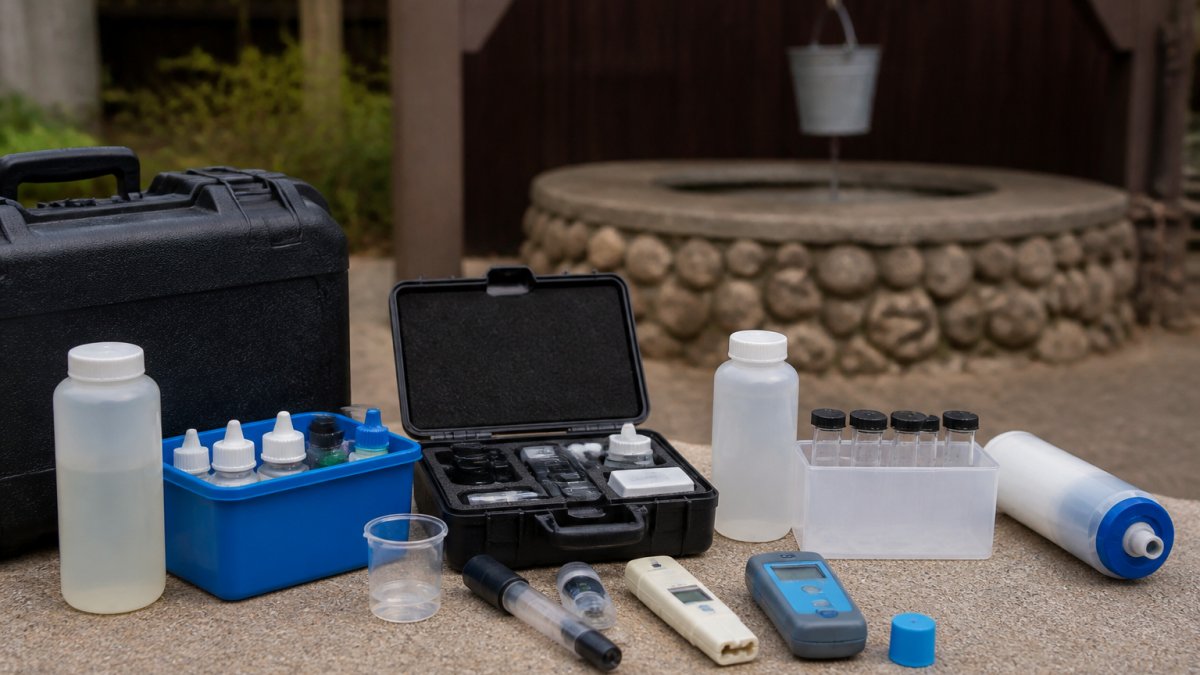
This is where a water test pays off. Test first, then size the system to what's actually in your water. For a deeper comparison of setups, see our guide to the best water filtration for well water.
If you're tired of guessing which system fits your home and your water, that's exactly the conversation we have every day. AquaShield Home Systems is family-owned, staffed by licensed installers and plumbers, and we've spent over five years working on Northern Colorado water.
Frequently Asked Questions
Who makes the best under sink reverse osmosis system?
There is no single best maker for every home. Water Filter Guru reported broad contaminant reduction for Cloud RO, while TechGearLab named Waterdrop's G3P600 a favorite under-sink system. APEC's Essence 5-stage and ROES-PH75 are strong conventional picks, and the Waterdrop X Series suits buyers who want higher capacity. The right choice depends on your water quality, cabinet space, and whether you want a tank or tankless design.
Is an under sink reverse osmosis system worth it?
For households that want cleaner-tasting drinking water without bottled water, an under sink reverse osmosis system is often worth it. Multi-stage filtration with a sediment filter, carbon filter, and RO membrane reduces dissolved solids and many contaminants. The tradeoffs are filter replacement costs, wastewater production, and installation work. If you have hard water or well water issues, pairing RO with a whole-home softener or iron removal system usually delivers better results.
Can an under sink reverse osmosis system work with well water?
Yes, but well water needs extra care. Sediment, iron, and sulfur can clog a pre-filter and shorten RO membrane lifespan, so many well owners add a sediment filter or iron removal step ahead of the RO system. Testing your water first tells you which contaminants to target. For homeowners dealing with iron or sulfur, testing your water helps you pick a reverse osmosis system for well water instead of guessing.
How often should you replace reverse osmosis filters?
A typical reverse osmosis filter replacement schedule is every 6 to 12 months for sediment and carbon pre-filters and every 2 to 3 years for the RO membrane. Post-filters usually last about 12 months. Homes with high sediment or hard water may need more frequent changes. Many systems include a filter life indicator, and following it protects water production rate and water taste between replacements.
Do under sink RO systems need a storage tank?
Not always. Tank-based systems like Cloud RO store treated water so you get steady flow at the dedicated faucet. Tankless systems like the Waterdrop G3P600 use a pump and produce water on demand, which saves cabinet space but may cost more upfront. If your under-sink clearance is tight or you want a reverse osmosis system for refrigerator hookup with consistent pressure, check the flow rate and daily capacity before choosing.