 Comparison
Bottled vs Filtered Water: Which Is Better at Home
Last Updated: November 2, 2026
Quick Summary
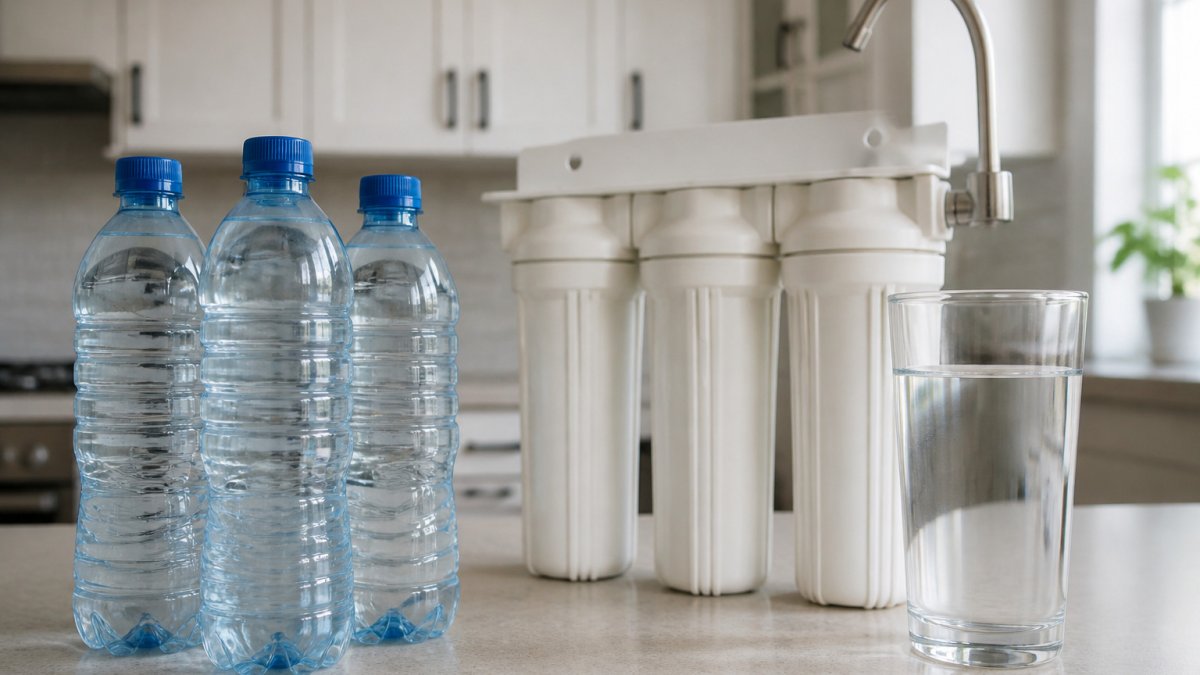
For most households, filtered water is the better choice because it gives consistent quality, lower long-term cost, and less plastic waste than bottled water. Bottled water quality depends on the source and bottler, while a filter can be matched to your own water test results. Reverse osmosis is the closest home alternative to bottled water.
- Filtered water is safe when the filter is certified and maintained on schedule.
- A water test shows which contaminants are present, so you can choose the right filter.
- Reverse osmosis removes lead, arsenic, nitrates, and fluoride but also removes beneficial minerals.
- Replace sediment cartridges every 3 to 6 months and carbon every 6 to 12 months.
- Bottled water costs more per gallon, and filtration cost per gallon falls as use grows.
Table of Contents
- Bottled Water vs Filtered Tap Water: The Overall Comparison
- Is Filtered Water Safe to Drink?
- Contaminants and Filtration Effectiveness
- Reverse Osmosis vs Bottled Water
- Why Does Bottled Water Taste Better, and Can Filtration Match It?
- Cost Over Time, Maintenance and Filter Replacement Schedules
- Choosing the Right Setup for Your Home and Your Water Quality
- Frequently Asked Questions
Bottled water and filtered tap water both promise clean, safe drinking water, but they reach your glass in very different ways. For most households, the real question is not which one tastes better in a blind test. It is which one gives you consistent quality, lower long-term cost, and less plastic waste. At AquaShield Home Systems, we install whole-home filtration and reverse osmosis systems in Northern Colorado. Below, we compare the two options on safety, contaminants, taste, cost, and maintenance, then help you choose the right setup for your home.
Bottled Water vs Filtered Tap Water: The Overall Comparison
Filtered tap water starts with municipal or well water that is already regulated. Bottled water is regulated too, but under a different system, and its quality depends heavily on the source and the bottler. The U.S. Environmental Protection Agency sets enforceable drinking water standards for public water systems, while the U.S. Food and Drug Administration oversees bottled water. Learn more at EPA Drinking Water Regulations.
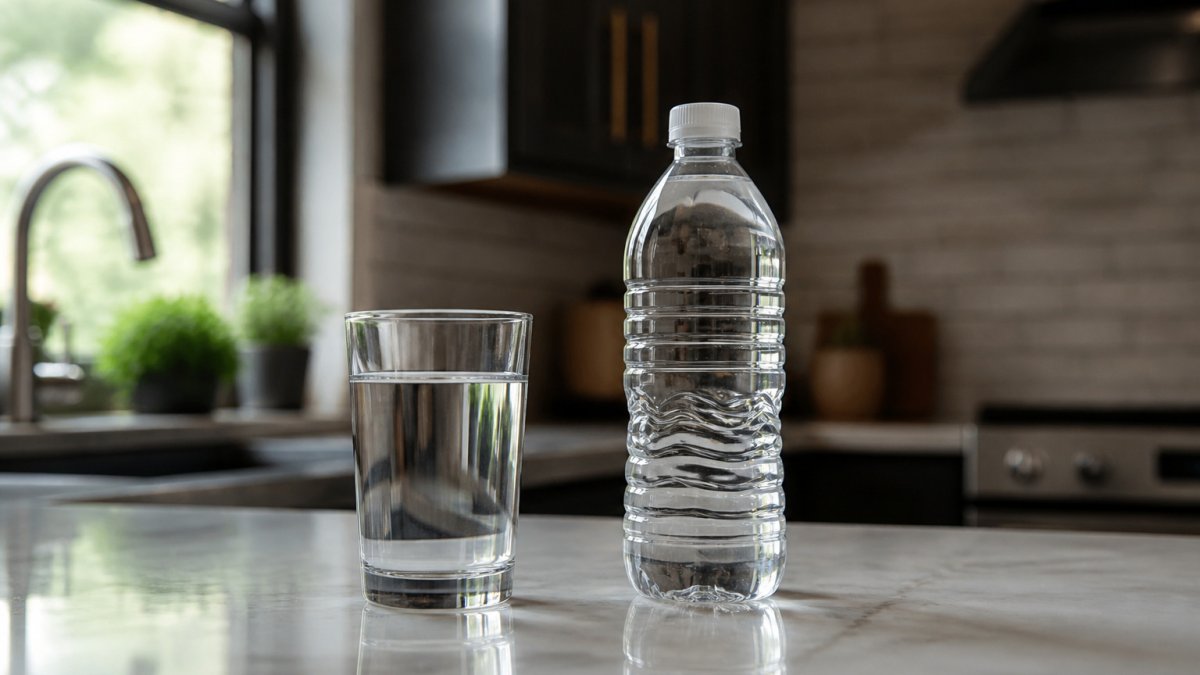
The practical difference is control. With a filter on your tap, you know exactly what is treated and when filters need changing. With bottled water, you rely on the bottler's labeling and testing. Filtered water also avoids recurring trips to the store.
Is Filtered Water Safe to Drink?
Yes, filtered water is safe to drink when the filter is certified for the contaminants you care about and it is maintained on schedule. A filter that is past its replacement date can stop removing contaminants and can even release what it has trapped. Look for third-party certification to the NSF/ANSI standards that match your water concerns.
Testing your water is the first step. A certified lab report shows which contaminants are present and at what levels, so you can choose a filter that addresses the real problem instead of guessing.
Contaminants and Filtration Effectiveness
Filtration is not a single switch, it is a set of technologies that each target specific substances. Understanding what each stage can and cannot remove is the difference between a filter that solves your problem and one that just looks impressive on the box.
What Each Filtration Method Actually Removes
Activated carbon adsorbs chlorine, chloramine (with catalytic carbon), many volatile organic compounds, pesticides, and the compounds responsible for taste and odor. It is the workhorse of most whole-home and under-sink systems. It does not remove dissolved minerals, nitrates, or most metals.
Reverse osmosis (RO) pushes water through a semipermeable membrane that rejects most dissolved solids, including lead, arsenic, nitrates, fluoride, sodium, and many industrial chemicals. It is the closest home technology to the purification level people associate with bottled water. It also removes beneficial minerals, which is why remineralization is common after RO.
Sediment filters capture sand, silt, and rust particles. They protect downstream filters and appliances but do almost nothing for dissolved contaminants.
Water softeners use ion exchange to remove calcium and magnesium, the minerals behind hardness and scale. They do not remove contaminants in the health sense, but they protect plumbing and improve how soap and appliances perform.
Specialty media such as iron and sulfur filters, catalytic carbon, and arsenic-selective media target narrow problems that a general filter will miss.
Contaminant-by-Contaminant: What Filters Can and Cannot Reduce
| Contaminant | Carbon | Reverse Osmosis | Softener | Notes |
|---|---|---|---|---|
| Chlorine / chloramine | Yes | Yes | No | Catalytic carbon needed for chloramine |
| Lead | Limited | Yes | No | RO is the reliable home option |
| Nitrates | No | Yes | No | Common in agricultural areas |
| Arsenic | Limited | Yes | No | Speciation matters; test first |
| Hardness (calcium, magnesium) | No | Partly | Yes | Softener is the targeted fix |
| Iron and sulfur | Limited | Partly | No | Often needs dedicated media |
| PFAS | Some | Yes | No | Certification matters more than claims |
| Microplastics | Some | Yes | No | RO and fine carbon block perform best |
No single cartridge does everything. A whole-home system typically stacks sediment, carbon, and sometimes softener stages, while an under-sink RO handles drinking water at the point of use. That layered approach is how you match treatment to what a water test actually shows.
How Bottled Water Compares on Contaminants
Bottled water is regulated, but "regulated" is not the same as "tested for your specific concern." Source water, bottling conditions, and storage all affect the final product.
A properly matched home filter, by contrast, can be selected against a lab report from your own tap, so you know which contaminants were present and which stage addresses them.
NSF/ANSI drinking water treatment standards
Reverse Osmosis vs Bottled Water
Reverse osmosis is the closest home alternative to bottled water. It pushes water through a fine membrane that blocks most dissolved salts, minerals, and many contaminants. The result is very clean water at the tap, often a close match to the purity people expect from bottles.
The trade-off is that reverse osmosis produces wastewater during filtration and removes beneficial minerals along with the unwanted ones. A good installation includes remineralization and a storage tank so you get water that tastes right and flows well. For households that drink a lot of water, the long-term cost comparison depends on consumption and system cost, and is best evaluated with a quote for your home.
Why Does Bottled Water Taste Better, and Can Filtration Match It?
Bottled water often tastes smoother because it is usually low in chlorine and has a specific mineral balance. Many people also expect bottled water to taste better, and that expectation influences the experience. Tap water taste is typically caused by chlorine, chloramine, or minerals such as iron or sulfur, and each of these has a targeted fix.
A carbon filter removes chlorine taste and odor effectively. Reverse osmosis followed by remineralization can produce a taste many people prefer over bottled options. Matching the filter to the actual taste problem is the most practical way to improve taste.
Cost Over Time, Maintenance and Filter Replacement Schedules
Most comparisons stop at the sticker price. The number that actually matters is cost per gallon over the life of the system, including cartridges, membranes, salt, and service. That is where bottled water and home filtration diverge sharply.
Cost per Gallon: The Real Comparison
Bottled water is priced per container, and the per-gallon cost depends heavily on package size, brand, and whether you buy in bulk. Single-serve bottles generally carry a higher per-gallon cost than larger containers, and the annual spend rises with household size.
Home filtration flips the math. The upfront equipment cost is higher, but the recurring cost is cartridges and, for RO, membrane replacement and a small amount of wastewater. Once the system is installed, the marginal cost of each additional gallon is low, so larger households benefit most. The long-term savings from a home system depend on how much water your household drinks.
Pricing depends on equipment, installation requirements, and water quality, so request a quote for your home.
Replacement Schedules by Filter Type
| Component | Typical Replacement Interval | What Happens If Neglected |
|---|---|---|
| Sediment cartridge | Every 3-6 months | Clogs, drops pressure, stresses downstream filters |
| Carbon block / granular carbon | Every 6-12 months | Loses adsorption capacity; chlorine breakthrough |
| Catalytic carbon (chloramine) | Every 12-24 months | Chloramine passes through; taste and odor return |
| RO pre-filters | Every 6-12 months | Membrane fouls prematurely |
| RO membrane | Every 2-3 years | Declining rejection rate; contaminants slip through |
| Softener resin | 10+ years with care | Hardness returns; salt use rises |
| Water softener salt | Monthly to quarterly | System stops regenerating effectively |
These are typical ranges. Actual intervals depend on water quality, household size, and usage. Hard water, high sediment, and heavy consumption shorten them.
Why Maintenance Is Not Optional
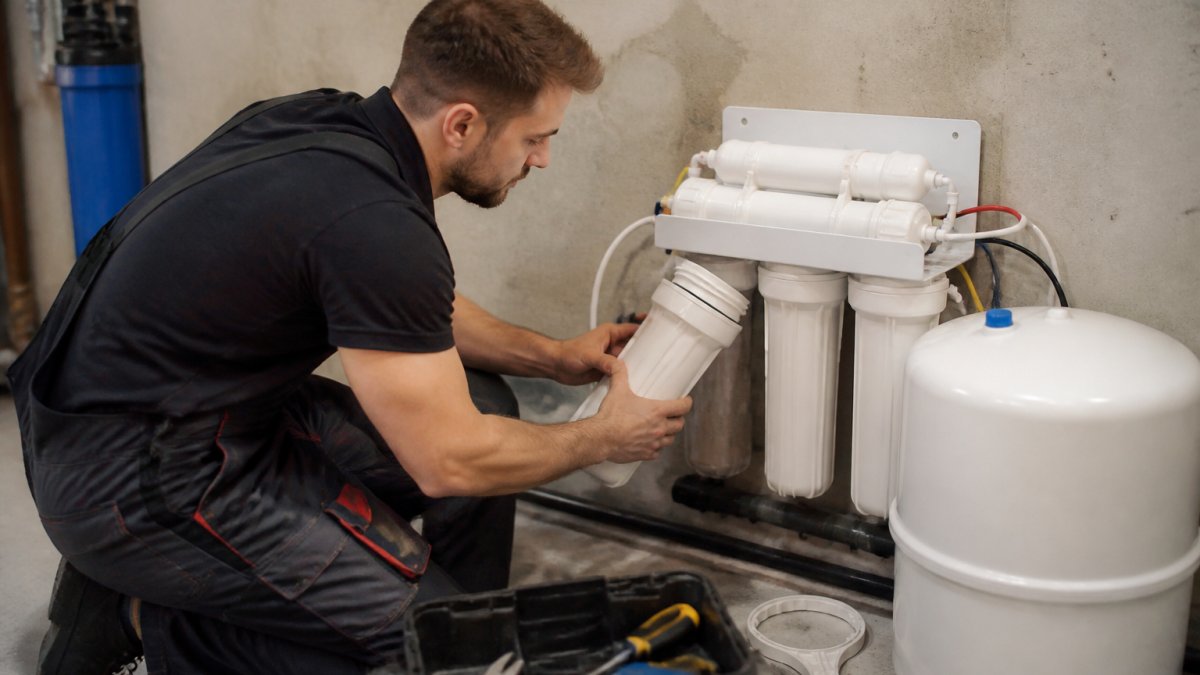
A filter past its replacement date does not simply stop helping, it can become a liability. Spent carbon can release adsorbed compounds, and a fouled RO membrane lets contaminants pass while still producing water that looks clear. Softeners that run out of salt stop regenerating and let hardness back into the plumbing, which shortens water-heater life and dulls fixtures.
A simple maintenance routine prevents most of this:
- Put cartridge changes on a calendar and set reminders.
- Keep a log of replacement dates, part numbers, and water test results.
- Test water annually, or sooner if taste, odor, or pressure changes.
- Ask your installer which parts are user-serviceable and which require a licensed technician.
The Convenience Factor in the Cost Equation
Bottled water carries a hidden cost that never appears on a receipt: time. Trips to the store, hauling cases, storing bottles, and managing recycling all consume hours that a home system eliminates. For busy households, that recovered time is part of the return on a filtration investment, and it is the reason many families switch and never go back.
Choosing the Right Setup for Your Home and Your Water Quality
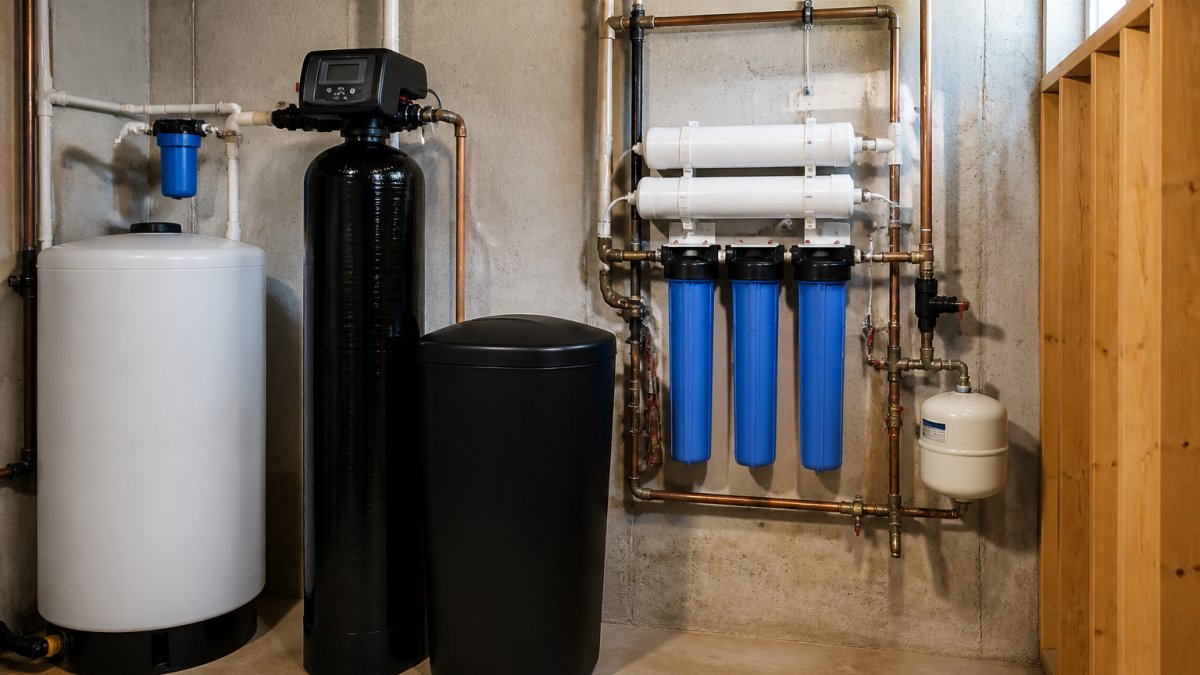
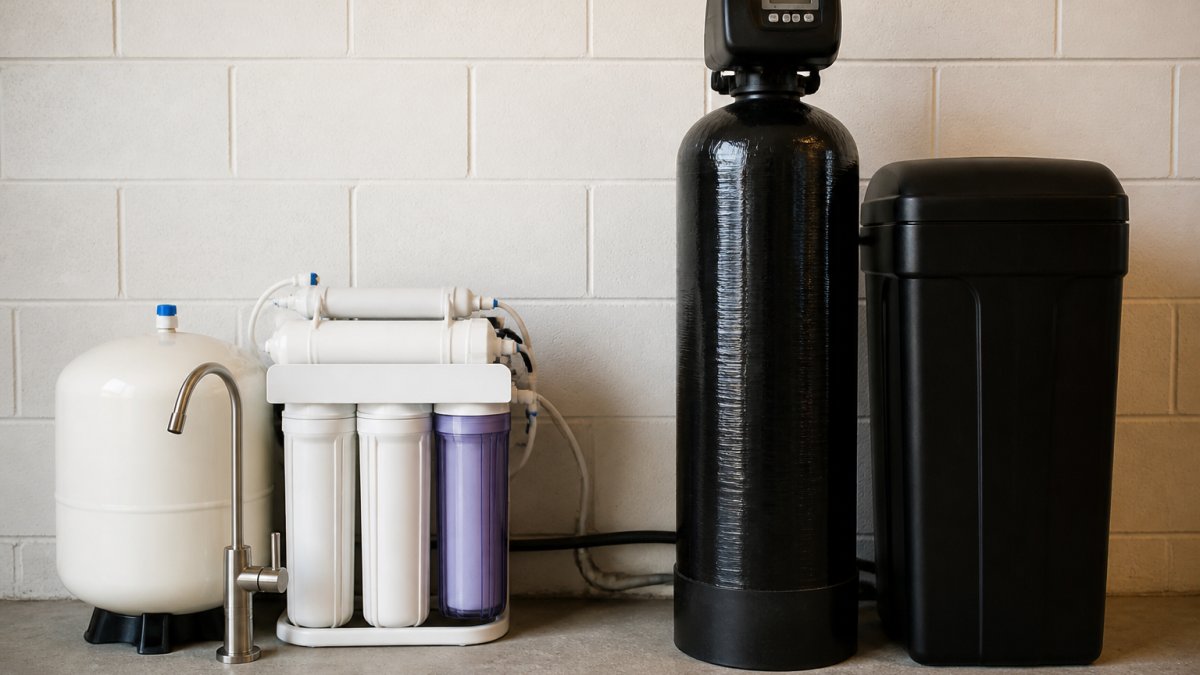
The best setup depends on what is in your water. Homes with hard water and mineral buildup often benefit from a whole-home water softener. Homes with iron or sulfur issues need targeted iron removal. Households that want the cleanest drinking water usually add a reverse osmosis system at the kitchen sink, while a whole-home filter handles the rest of the house.
Start with a water test, then choose a system matched to the results. AquaShield Home Systems offers licensed installation, transparent pricing, and a no-pressure assessment, so you can see your options before you commit. If you want to know whether a whole-home system fits your home, request a free estimate and we will walk through the water test results with you.
Frequently Asked Questions
Is bottled water healthier than filtered tap water?
Not necessarily. Both can meet safety standards, but they follow different rules. Bottled water is regulated by the U.S. Food and Drug Administration, while public tap water is regulated by the U.S. Environmental Protection Agency and tested by your local utility. A properly maintained home filter, especially reverse osmosis, can remove many of the same contaminants that bottled water producers filter out. The better choice depends on your local water quality report and whether your filter is certified for the contaminants you care about.
How often should you replace a water filter?
Replacement intervals depend on the filter type and your water use. Many pitcher and faucet cartridges need replacing every two to three months, while under-sink and whole-home cartridges often last six to twelve months. Reverse osmosis membranes can last two to three years. Check the manufacturer's rated capacity in gallons, and replace the filter sooner if water flow slows or taste changes. Keeping a dated log on the filter housing helps you stay on schedule.
Is a reverse osmosis system better than bottled water?
A reverse osmosis system removes a broad range of dissolved solids, metals and many microorganisms at the point of use, and it avoids the plastic waste and delivery trips that come with bottled water. It does strip some minerals, so some households add a remineralization stage. Whether it is better for you depends on your water quality, your budget for installation and maintenance, and how much you drink. Professional testing of your water is the most reliable starting point.
Is filtered water as safe as bottled water?
Filtered water can be as safe as bottled water when the filter is certified for the contaminants present in your supply and is replaced on schedule. Filters that are overdue for replacement can harbor bacteria and release captured contaminants, so maintenance matters as much as the filter itself. Review your utility's annual water quality report and consider independent testing if your home uses well water.