 comparison
Is Professional Water Filtration Worth It? A 2026 Review
Table of Contents
- Is Professional Water Filtration Worth It? The Honest Verdict
- Signs of Hard Water in Your Home (And What They Cost You)
- Whole-Home Water Softener Benefits Beyond Soft Skin
- What Professional Water Filtration Really Costs Over Time
- Reverse Osmosis System Maintenance Costs Explained
- Professional Installation vs. DIY: Where the Money Goes
- Who Should Skip Professional Water Filtration
- Frequently Asked Questions
Last Updated: October 5, 2026
Is Professional Water Filtration Worth It? The Honest Verdict
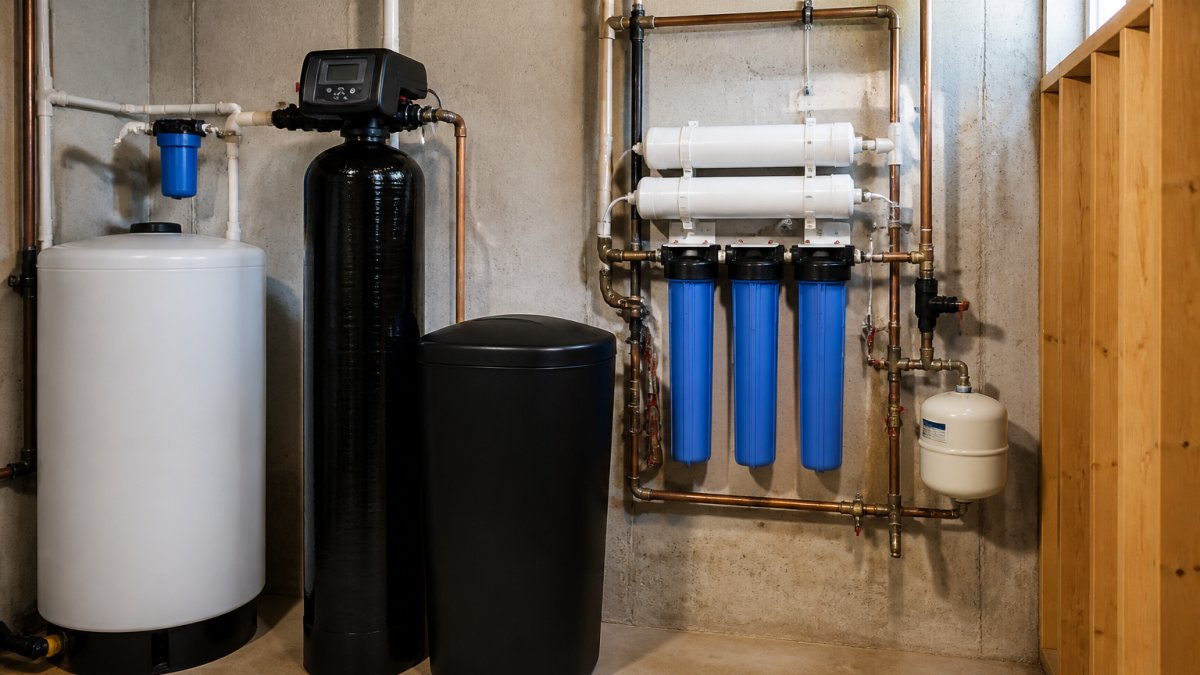
Professional water filtration is a whole-home treatment system installed by a licensed plumber to reduce sediment, hardness minerals, chlorine, and other contaminants across every tap in your house. Whether it's worth it comes down to one question: what is your water actually doing to your home?
At AquaShield Home Systems, we've spent over five years installing and servicing whole-home water softeners, reverse osmosis systems, and iron removal equipment for families across Northern Colorado and the Denver metro area.
Below, we'll walk through the real signs your water needs treatment, what professional filtration actually costs you over time, and who should honestly skip it.
Signs of Hard Water in Your Home (And What They Cost You)
Hard water shows up as white scale on fixtures, cloudy glassware, stiff laundry, and soap that refuses to lather. These aren't cosmetic problems. They're symptoms of dissolved calcium and magnesium circulating through your plumbing system every day.
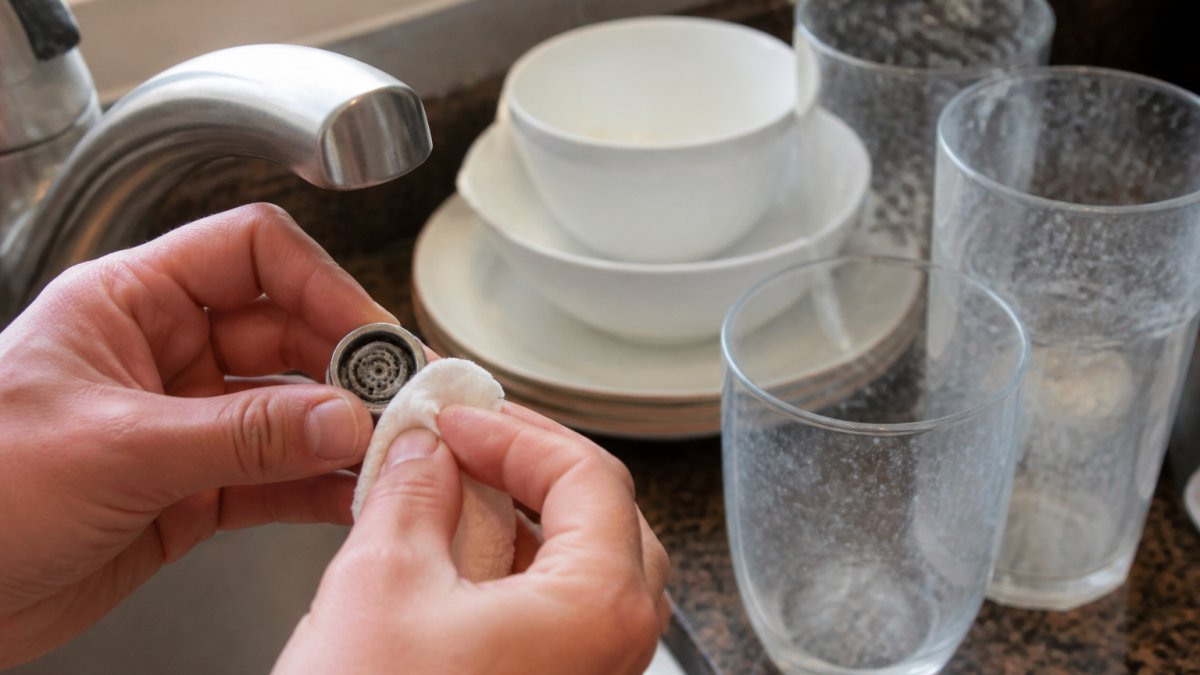
Watch for these signs:
- Chalky white deposits on faucets, showerheads, and the dishwasher door
- Dishes and glasses that come out spotted even after a full cycle
- Soap and shampoo that need extra product to build a lather
- Stiff, scratchy towels and faded clothing colors
- Dry, itchy skin and dull hair after showering
- Rising energy bills as your water heater works harder against scale
That last point matters most. Scale builds up inside your water heater tank and narrows the pipes feeding your washing machine, dishwasher, and ice maker. Over years, that buildup shortens appliance lifespan and forces repairs you'd otherwise avoid.
Whole-Home Water Softener Benefits Beyond Soft Skin
A whole-home water softener removes the hardness minerals before they ever reach your fixtures. The benefits reach well past softer skin and shinier hair.
The most overlooked benefit is appliance protection. When scale stops forming inside your water heater, washing machine, and dishwasher, those appliances simply last longer and run more efficiently. Many homeowners find the reduced wear on water-using appliances offsets a meaningful share of the system's cost over its lifespan.
There's also the everyday quality-of-life difference:
- Less soap, detergent, and shampoo needed per load or shower
- Cleaner dishes straight from the dishwasher
- Softer towels and longer-lasting clothing
- Fewer plumbing repairs from scale-clogged lines and fixtures
For households on well water, a softener often pairs with iron removal to handle the metallic taste and rust staining that softening alone won't fix. That combination depends entirely on what your water test reveals.
What Professional Water Filtration Really Costs Over Time
Professional water filtration pricing depends on your water chemistry, household size, and which contaminants need treatment.
TCO has five parts, and the upfront quote is only one of them:
| Cost Component | What Drives It | How Often |
|---|---|---|
| Upfront purchase and installation | System type, household size, plumbing layout, permit requirements | One time |
| Filter and cartridge replacement | Water usage, contaminant load, system design | Monthly to annually |
| Service and maintenance | System complexity, local water conditions | Annually |
| Water and wastewater use | Backwash frequency, RO reject ratio, household demand | Monthly |
| Energy | Pump, heater load, softener regeneration | Monthly |
How to build your own 5- and 10-year estimate
- Get the installed price in writing, including permit fees and any main-line modifications.
- Ask for the replacement schedule in writing: which cartridges, how often, and the per-cartridge price.
- Multiply replacement media by the number of changes per year, then by 5 and 10.
- Add annual service visits if your system requires them.
- Add backwash water and any RO reject water to your utility bill estimate.
A common pattern is that the cheapest installed system becomes the most expensive over a decade, because proprietary cartridges can cost several times what standard 10-inch or 20-inch replacements run.
Where the money actually goes
- Sediment and carbon prefilters, the cheapest line item, but the one that protects everything downstream.
- Softener resin, lasts many years, but resin can degrade faster with high chlorine or iron.
- RO membrane, the single most expensive replacement part; lifespan depends almost entirely on how well you maintain prefilters.
- Salt or potassium for softeners, a recurring consumable many homeowners forget to budget.
- Service labor, varies widely; some systems are homeowner-serviceable, others are not.
Assumptions you should write down
Any TCO estimate is only as good as its inputs. State your household size, average daily water use, source water hardness and iron levels, and the replacement schedule the manufacturer publishes.
For a personalized estimate based on your actual water quality, the EPA's guidance on private well testing is a good starting point for understanding what you're testing for.
Reverse Osmosis System Maintenance Costs Explained
Reverse osmosis system maintenance costs center on two things: replacement cartridges and the membrane. A reverse osmosis system pushes water through a semi-permeable membrane that captures dissolved contaminants, and that membrane has a finite life.
Most systems use a staged filter setup. Sediment and carbon pre-filters typically need replacement more often than the membrane itself, which usually lasts several years with proper pre-filtration. Skipping pre-filter changes is the fastest way to destroy a membrane early.
What drives your annual maintenance cost:
- How much water your household uses daily
- Sediment and contaminant levels in your source water
- Whether you stay on schedule with pre-filter changes
- The cost of replacement cartridges for your specific system
Reverse osmosis is a point-of-use filter, meaning it treats drinking water at a single tap rather than the whole house.
The NSF certification program for water treatment products verifies which contaminants a system actually reduces, so check for that certification before buying any unit.
Professional Installation vs. DIY: Where the Money Goes
Professional installation versus DIY comes down to four factors: your plumbing skills, your local codes and permits, warranty terms, and what happens if something leaks. A whole-home system ties directly into your main water line, and a mistake there means water damage, not just a bad filter.
What you are actually paying a professional for
- Sizing based on your water test and household peak demand, not a guess.
- Correct placement on the main line, before the water heater, so you are not softening already-heated water.
- Code-compliant connections, drain lines, and backflow protection. Many jurisdictions require a permit and inspection for main-line plumbing work; skipping that can complicate a future home sale.
- Pressure and flow testing after install to confirm you did not create a pressure drop at multiple fixtures.
- Liability and insurance. A licensed plumber carries coverage; if a DIY connection fails and floods a basement, your homeowner's policy may or may not cover it depending on how the work was done.
- Warranty validity. Many manufacturers condition their equipment warranty on professional installation. A DIY install can void coverage on the very component most likely to fail.
Where DIY genuinely makes sense
A point-of-use reverse osmosis unit under a sink is a reasonable weekend project for a confident homeowner: it taps a single supply line, uses a small drain saddle, and does not touch the main. Whole-home softeners, iron removal, and any system that requires cutting into the main line are a different category entirely.
Risks DIY guides consistently skip
- Water hammer and pressure spikes from improperly supported pipe runs.
- Cross-connection hazards if drain lines are not air-gapped correctly.
- Undersizing, the most common DIY failure, and the one that leaves you with weak shower pressure and a system that never keeps up.
- Permit and disclosure issues at resale.
Sizing: the step everyone skips
Water pressure and flow rate deserve special attention. An undersized system chokes your household water pressure; an oversized one wastes capacity you paid for.
A simple decision rule
If the work touches the main line, requires a permit, or affects your equipment warranty, hire a licensed professional. If it is a single-tap drinking water unit and you are comfortable with basic plumbing, DIY is defensible. Everything in between deserves a quote and a second opinion.
Who Should Skip Professional Water Filtration
Professional water filtration isn't the right call for every home, and we'll say so plainly. If your water tests clean and you have no scale, odor, or taste complaints, you may not need a whole-home system at all.
Skip it if:
- Your water test shows no meaningful hardness, iron, or contaminant issues
- You're renting and don't plan to stay long-term
- Your only concern is drinking water taste, which a point-of-use filter handles
- You're not prepared for ongoing filter replacement costs
The middle ground deserves mention too. Some households only need drinking water treatment, not whole-home filtration. Others need softening but not full contaminant reduction. Matching the system to the actual problem is the entire point.
That's where a no-pressure assessment helps. We test your water, explain what we find in plain language, and tell you what we'd do in your position. Sometimes that answer is "you don't need this yet."
Frequently Asked Questions
How does professional water filtration differ from pitcher or faucet-mounted filters?
Pitcher and faucet-mounted filters treat only the water you draw from one tap, usually targeting taste and odor. Professional water filtration treats water at the point where it enters your home, so every shower, appliance, and glass gets the same water. That matters for sediment, chlorine, lead, and hard water minerals that build up in your plumbing system and water-using appliances. A point-of-use filter protects your glass; a whole-house system protects your pipes, water heater, and dishwasher too.
What maintenance is required for professional-grade water filtration systems?
Most whole-house systems need filter or replacement cartridges swapped on a set schedule, typically every few months to once a year depending on the filter stage and your water quality. Softeners need salt refills and periodic resin checks. Reverse osmosis systems need sediment and carbon pre-filters plus a membrane change every few years. Annual maintenance from a licensed professional keeps flow rate and contaminant reduction steady, and it catches small issues before they become repairs.
Are there hidden costs to installing a whole-house water filtration system?
The purchase price rarely tells the whole story. Budget for professional installation, which can involve new plumbing connections or a dedicated drain line for reverse osmosis. Then factor annual maintenance, filter replacement, and replacement cartridges over the system lifespan. If your water pressure is low or your household usage is high, you may also need a larger system or a pressure adjustment. Ask for a written breakdown of upfront cost, installation cost, and ongoing maintenance cost before you commit.
How do I know if my home needs a professional water filtration system?
Start with water testing. If you are on well water, test for iron, sulfur, hardness, and bacteria. On municipal water, test for hardness, chlorine, and lead. Common signs of hard water in your home include scale buildup on fixtures, spotty dishes, stiff laundry, and appliances that wear out early. If testing shows high hardness, sediment, or contaminants you want reduced, a professional water filtration system is likely worth it.
Does a professional water filtration system increase home value?
It is not a guaranteed appraisal boost the way a remodel is, but it can help at resale. Buyers in areas with hard water or well water often see a whole-home water filter as a move-in-ready perk, especially when maintenance records are available. Systems that reduce scale buildup also help protect the plumbing system and water-using appliances, which supports appliance lifespan. Treat it as a quality-of-life upgrade first, with resale appeal as a bonus.
Hard water, iron staining, and sulfur odors wear down your plumbing and your patience, one fixture at a time. AquaShield Home Systems offers licensed installers, transparent pricing, and a no-pressure assessment process built around your home's actual water quality. We're family-owned, we've served Northern Colorado for over five years, and we'll tell you honestly whether treatment is worth it for your household. Get a free estimate and find out what your water is really telling you.