 comparison
Water Filtration System Repair Services: A 2026 Guide
Table of Contents
- What to Expect From Professional Water Filtration System Repair
- Questions to Ask Before Hiring a Plumber for Water System Work
- Water Filter Troubleshooting: Common Issues and When to Call a Technician
- Water Filtration System Repair vs. Replacement: How to Decide
- Water Filtration System Service Frequency and Maintenance Schedules
- Why Professional Service Matters for Whole-Home and Reverse Osmosis Systems
- Frequently Asked Questions
Last Updated: October 4, 2026
What to Expect From Professional Water Filtration System Repair
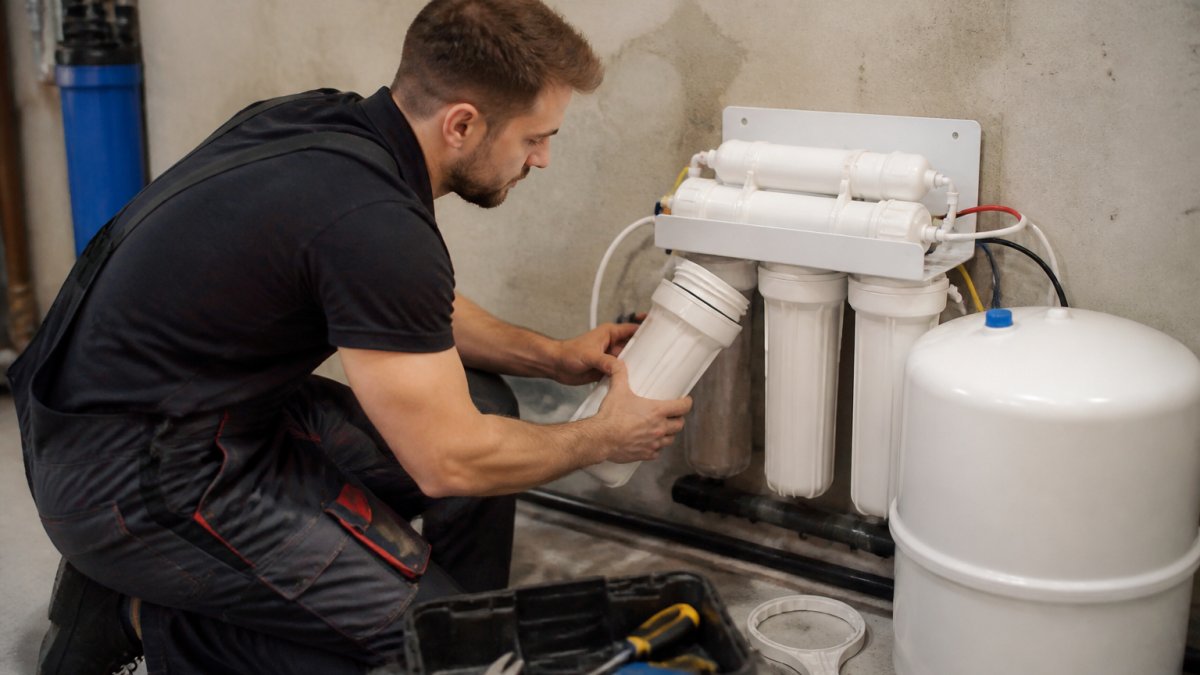
When your water filtration system starts acting up, knowing what to expect from professional service can ease the process considerably. A water filtration system repair involves diagnosing the problem, replacing worn components, and testing the system to restore proper function. At AquaShield Home Systems, we've helped hundreds of homeowners in Northern Colorado understand what happens when they call for professional service.
The first step is always a thorough inspection. A licensed technician will assess your whole-home filtration system, reverse osmosis setup, or water softener to identify what's causing the issue. This diagnostic phase is crucial because many problems look similar on the surface but require different solutions. A system running continuously might indicate a stuck valve, a leaking connection, or a filter that's reached the end of its life.
Once the problem is identified, your technician will explain what needs to happen next. This is where transparency matters. You should understand why a repair is necessary, what the fix involves, and how it restores your water quality. Professional service means getting clear answers to your questions before work begins, not surprises afterward.
Most water filtration system repairs take between one and three hours, depending on the complexity. Simple fixes like replacing a filter cartridge or tightening a leaking connection happen quickly. More involved work, such as replacing a valve assembly or repairing the reverse osmosis membrane housing, takes longer. Your technician should give you a realistic time estimate upfront.
Questions to Ask Before Hiring a Plumber for Water System Work
Before you hire someone to service your water filtration system, ask the right questions. The answers tell you whether you're working with a professional who understands your system and respects your home.
Start with licensing and credentials. Ask directly: "Are you licensed to perform plumbing work in this area?" A licensed technician has passed exams, carries insurance, and is accountable to the state. This matters because faulty water system work can lead to contamination, leaks, or damage to your home's plumbing. Unlicensed work puts you at risk and may void warranties on your system.
Next, ask about experience with your specific system type. Not every plumber is equally skilled with water softeners, reverse osmosis systems, or whole-home filtration units. A technician experienced with your brand and model will diagnose problems faster and fix them right the first time.
Inquire about warranty coverage on parts and labor. A reputable service provider stands behind their work. Ask what happens if the repair doesn't solve the problem, or if a replaced part fails within a certain timeframe. Understanding the guarantee protects you from paying twice for the same fix.
Ask about their service area and response time. If you're in a remote location like Estes Park or Berthoud, you need to know whether the company actually services your area and how long you'll wait for an appointment. Emergency service availability matters too if you're dealing with a major leak or contaminated water.
Finally, ask for a quote in writing before work begins. Request an itemized breakdown showing the diagnostic fee, parts costs, and labor charges. This prevents surprises when the invoice arrives. A transparent service provider has no problem putting estimates in writing.
Water Filter Troubleshooting: Common Issues and When to Call a Technician
Many water filtration problems have simple fixes. Knowing which ones you can address and which require professional help saves time and money.
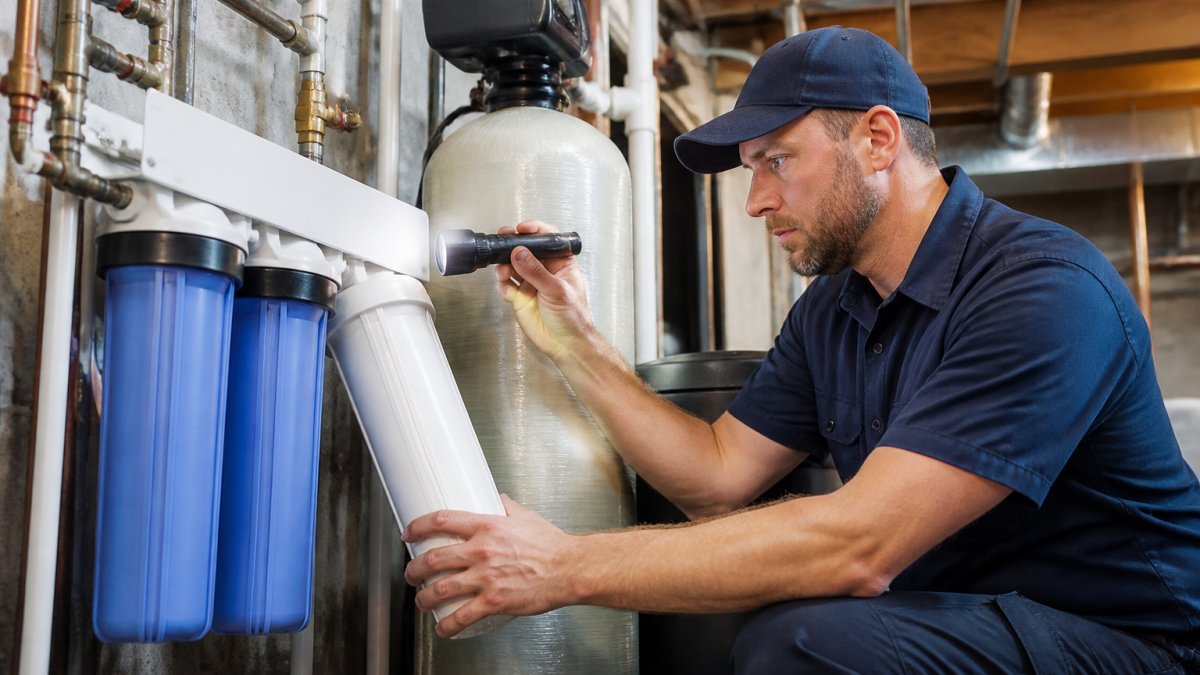
Low water pressure is one of the most common complaints. If your faucets run slower than usual after your filtration system was installed, the filter cartridge may be clogged. Check whether your system has a bypass valve or pressure gauge.
Strange tastes or odors in your drinking water suggest the filtration media needs replacement or the system isn't functioning properly. A rotten egg smell often indicates sulfur contamination that your system should be removing. If the smell persists after a filter replacement, the system itself may need service.
Leaks around connections or beneath the system demand immediate attention. Small drips from a fitting might tighten with a wrench, but if tightening doesn't stop the leak, don't keep trying. Overtightening can crack plastic fittings and make the problem worse. Call a technician to replace the faulty connection or seal.
The system running continuously without shutting off signals a valve problem, a stuck solenoid, or a leak somewhere in the system. This wastes water and suggests your system isn't working as designed. A technician can identify whether the issue is a simple valve adjustment or requires component replacement.
Error codes or warning lights on digital displays mean something specific is wrong. Don't ignore them. Different systems use different codes, so you need the manual or a technician to interpret what yours is telling you.
Water Filtration System Repair vs. Replacement: How to Decide
At some point, every water filtration system reaches the end of its useful life. Deciding whether to repair or replace it depends on several factors.
Age matters first. Most whole-home water softeners and filtration systems last 10 to 15 years with proper maintenance. If your system is within that range and the repair cost is reasonable, fixing it usually makes sense. If your system is older than 15 years, replacement may be more economical.
Repair cost versus replacement cost is the practical equation. Get a written repair estimate. If the repair costs more than 50 percent of what a new system would cost, replacement often becomes the smarter choice. A new system comes with a warranty, operates more efficiently, and likely includes updated features that improve water quality.
System performance helps you decide too. If your system has worked well but now needs one repair, fixing it is reasonable. If you've had multiple repairs in the past year, the system is probably failing and replacement is worth considering. Recurring problems suggest the system is aging beyond its reliable years.
Water quality needs may have changed. If you've discovered new contaminants in your water, iron, sulfur, or higher mineral content, your current system might not handle them adequately even after repair. A new system designed for your current water quality challenges may serve you better than repairing an older unit designed for different problems.
Consider also whether you want to upgrade to a different system type. If you currently have a basic sediment filter but now want reverse osmosis for drinking water, or a water softener to address hard water, replacement gives you that opportunity. Repair only restores what you already have.
Water Filtration System Service Frequency and Maintenance Schedules
Regular maintenance keeps your water filtration system running efficiently and extends its lifespan. Understanding the right service schedule prevents problems before they start.
Filter replacement is the most frequent maintenance task. Sediment filters typically need replacement every 6 to 12 months, depending on your water quality and household usage. If you have high sediment or iron content in your water, filters clog faster and need more frequent changes.
Water softener resin bed maintenance involves periodic cleaning and eventual replacement. The resin beads that soften your water degrade over time, typically lasting 10 to 15 years. Annual cleaning of the resin bed with a resin cleaner removes iron and other particles that accumulate and reduce efficiency.
Annual inspections catch small problems before they become expensive repairs. A technician checks all connections for leaks, tests water pressure, inspects valves and seals, and verifies that your system is performing to specification.
Water testing should happen annually or whenever you notice changes in water quality. Testing reveals whether your system is effectively removing contaminants and whether your water quality has shifted due to seasonal changes or issues with the municipal supply.
Bypass valve inspection ensures your system can be serviced without shutting off your home's water supply. These valves wear over time and should be checked during annual maintenance to confirm they operate smoothly.
Most homeowners benefit from scheduling professional service once a year. If you have a whole-home system serving a family of four or more, or if your water has high mineral or iron content, twice-yearly service may be worthwhile. Your service provider can recommend the right frequency for your situation.
Why Professional Service Matters for Whole-Home and Reverse Osmosis Systems
Whole-home water filtration systems and reverse osmosis units are more complex than point-of-use filters you might buy at a hardware store. Professional service isn't just a convenience, it's essential for keeping these systems working correctly.
Whole-home systems are integrated into your home's plumbing and affect every water outlet. A malfunction can reduce pressure throughout your house, contaminate all your water, or cause leaks that damage your home.
Reverse osmosis systems produce high-quality drinking water by forcing water through a semipermeable membrane, but they require precise pressure settings and regular membrane replacement. If pressure is too low, the system produces little water. If pressure is too high, the membrane tears and fails.
Professional service also means access to diagnostic equipment. A technician can test your water quality before and after filtration to confirm your system is actually removing contaminants. They can measure water pressure, flow rate, and system efficiency. This data tells you whether your system is working as designed or needs adjustment.
Warranty coverage often requires professional installation and service. If your system malfunctions and you've performed repairs yourself or hired an unlicensed technician, the manufacturer may refuse warranty coverage. Professional service from a licensed provider protects your investment.
When your water filtration system needs repair, choosing a licensed professional makes all the difference. AquaShield Home Systems brings over five years of local experience serving Northern Colorado homeowners with transparent, honest service. We specialize in whole-home water softeners, reverse osmosis systems, and iron removal solutions tailored to your home's specific water quality challenges.
Frequently Asked Questions
How often should a water filtration system be serviced?
Service frequency depends on your system type and water quality. Whole-home systems typically need maintenance every 6 to 12 months, while reverse osmosis systems may require more frequent filter changes. Hard water systems and those treating contaminated well water may need more regular attention. A licensed technician can assess your specific situation and recommend a maintenance schedule that keeps your system running efficiently and your water quality high.
What questions should I ask before hiring a plumber for water system repair?
Ask about their licensing, experience with your specific system type, warranty coverage on parts and labor, whether they provide a diagnostic fee or free assessment, their response time for emergency service, and whether they offer transparent pricing before work begins. Request references or reviews from past customers. Also ask if they'll explain what's wrong and why repair versus replacement makes sense for your situation, rather than pushing an upsell.
When should I repair my water filtration system versus replace it?
Repair is usually the right choice if your system is under 10 years old, the issue is isolated to one component like a filter or valve, and repair costs are less than 50% of replacement. Replace your system if it's near the end of its lifespan, has multiple failing parts, frequent repairs are draining your budget, or water quality issues persist despite repairs. A professional technician can evaluate your system's age, condition, and performance to recommend the most cost-effective path forward.
How can I tell if my water softener or filter needs repair?
Watch for reduced water pressure, changes in water taste or odor, visible leaks around connections, the system running continuously without stopping, error codes on the display, or a return of hard water spots and mineral buildup on appliances. Well water systems may show signs of iron staining or sulfur smell. If you notice any of these, contact a service provider for water testing and diagnosis. Early detection prevents small issues from becoming expensive failures.