 blog
How to Compare Water Treatment Options for Your Home
Quick Summary
Compare water treatment options by first getting a water test, since the results show whether you have hardness, iron, or another problem. Water softeners address calcium and magnesium, reverse osmosis suits drinking water at one tap, and iron filters handle dissolved iron. Matching the system to your test results matters most.
- Start with a water test, which many certified labs can run for a modest fee.
- Water softeners remove calcium and magnesium that cause hard water and scale.
- Reverse osmosis systems are usually installed at a single tap, often the kitchen sink.
- Iron filters target dissolved iron and manganese, which cause rust-colored stains.
- Ask providers for a line-item estimate that includes five-year consumable costs.
Table of Contents
- Why Rise Plumbing Alternatives Matter for Home Water Services
- Comparing Water Softeners, Reverse Osmosis and Iron Filters
- Whole-Home Water Filtration System vs. Point-of-Use Filters
- Water Treatment Company Comparison: What to Look For
- Questions to Ask Before Hiring a Plumber for Water Work
- Plumbing Service Estimate Checklist and Cost-Benefit Considerations
- Booking Your Water Assessment With AquaShield Home Systems
- Frequently Asked Questions
How to Compare Water Treatment Options for Your Home
Last Updated: November 1, 2026
Why Rise Plumbing Alternatives Matter for Home Water Services
Hard water, rotten-egg smell from a well, and mineral crust on faucets are problems many homeowners in Northern Colorado deal with every week. Most people search for a "rise plumbing alternative for water services" when a plumber's quote feels confusing or when they want a different kind of help altogether. This guide is designed to help you compare your options before you commit to anything.
A water treatment option is a system that changes the quality of water entering your home. Water softeners, reverse osmosis units, and iron filters each solve a different problem, so the right water treatment options depend on what is actually in your supply. Choosing the wrong one wastes money and leaves the real issue untouched.
The rest of this guide walks through the main technologies, how they differ, and what to ask before you hire anyone. Our goal is to help you make a clear decision, not to push one product.
Comparing Water Softeners, Reverse Osmosis and Iron Filters
Start by identifying what is actually in your water. A water test is the most reliable way to do that, and many certified labs can run one for a modest fee.
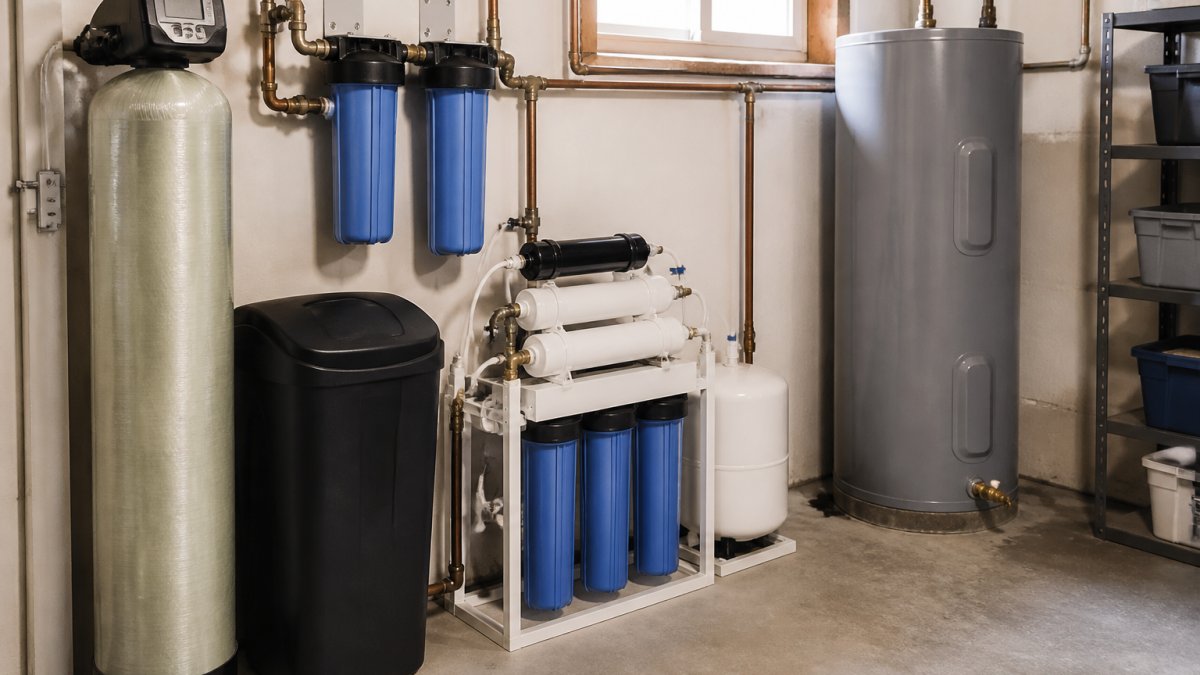
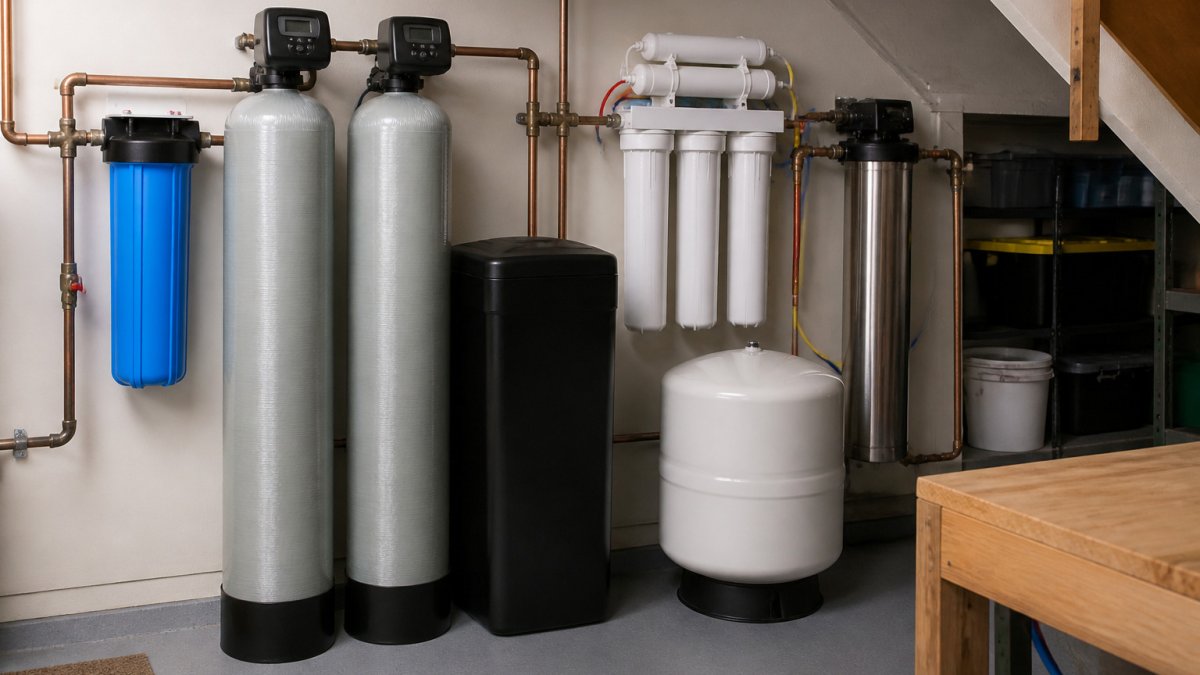
- Water softeners remove calcium and magnesium, the minerals behind hard water and scale. They suit homes with spotty dishes, dry skin after showers, and mineral buildup on appliances.
- Reverse osmosis (RO) systems push water through a fine membrane that filters out many dissolved contaminants. They are usually installed at a single tap, often the kitchen sink, for drinking and cooking water.
- Iron filters target dissolved iron and manganese, which cause rust-colored stains and metallic taste. They are a common fix for well owners and some municipal supplies.
A softener will not remove iron in most cases, and an RO unit is overkill if you only have hardness. For a direct side-by-side look at how these two systems differ, see our comparison of softeners and reverse osmosis. Matching the system to the test results is the step most people skip.
Whole-Home Water Filtration System vs. Point-of-Use Filters
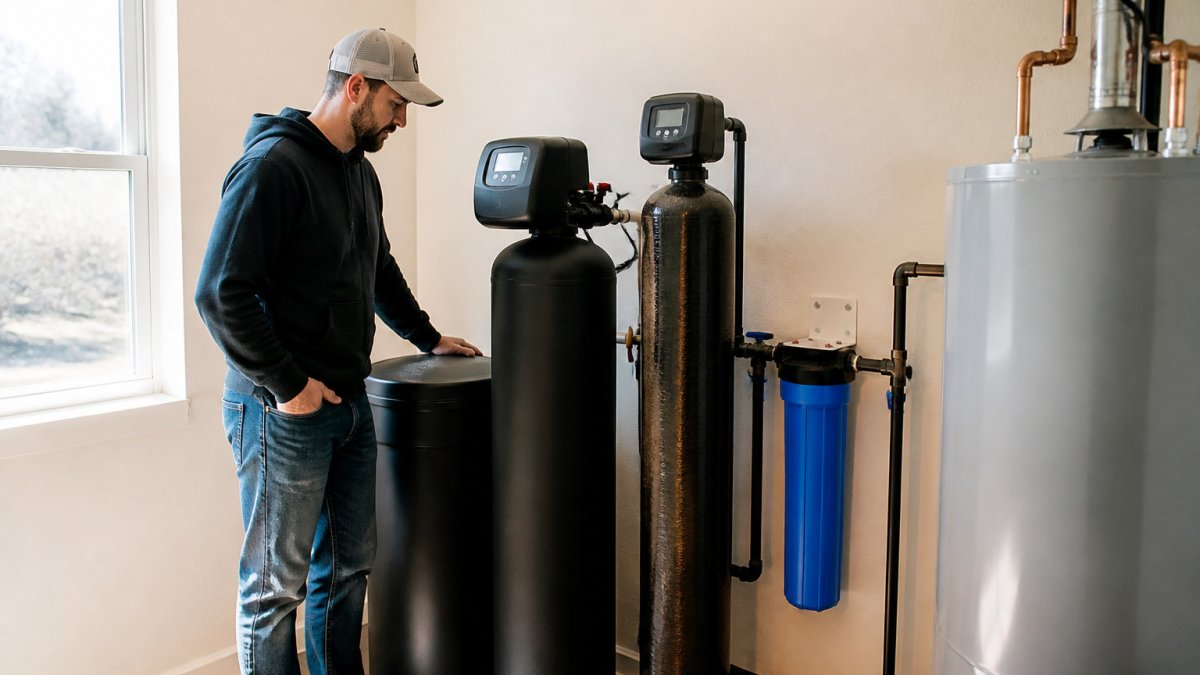
A whole-home system treats all the water entering the house. It protects showers, washing machines, water heaters, and fixtures. A point-of-use filter, such as a pitcher or a single under-sink unit, treats only the water at one outlet.
Point-of-use filters cost less up front and work well when your only concern is drinking water. Whole-home systems cost more and require professional installation, but they reduce scale and protect plumbing throughout the house. If you want cleaner water at every tap, a whole-home installation is usually the better fit. You can request an assessment from AquaShield Home Systems to see which setup suits your plumbing.
Water Treatment Company Comparison: What to Look For
Provider-comparison advice often stops at checking for a license. A more useful question is whether a company is diagnosing your water or just selling equipment. The framework below helps separate the two.
The four-question diagnostic test
Ask any provider the same four questions and compare the answers side by side:
- What is my water's hardness in grains per gallon, and what is my iron level in parts per million? A diagnostician gives you numbers from a test. An order-taker says "your water is hard" without a figure.
- What does your recommended system remove, and what does it leave behind? A softener trades calcium and magnesium for sodium or potassium, it does not remove iron, sediment, or most dissolved organics. An iron filter handles ferrous iron but not hardness. An RO membrane rejects most dissolved solids but wastes reject water and needs a drain connection. If a provider cannot name the trade-off, they are guessing.
- What is the maintenance schedule and what does it cost over five years? Softeners need salt and periodic resin cleaning. Iron filters need backwash and media replacement every several years. RO systems need pre-filter and membrane changes. Ask for the multi-year consumable cost in writing, not just the install price.
- Who installs it, and what license or certification do they hold? Plumbing work that ties into supply lines often requires a licensed plumber, and local requirements vary. Ask which license or certification applies to the work and get the license number.
Red flags that separate order-takers from diagnosticians
- Same-day pressure. A legitimate assessment can be done in one visit, but a signed contract should never be a condition of getting your test results.
- No written water test. If the recommendation arrives before the test, the recommendation is not about your water.
- One-size sizing. A softener sized for a 2-bath home is undersized for a 4-bath home with high-flow fixtures. Ask how the system's capacity (in grains) was calculated against your household's daily demand.
- Vague warranty language. "Lifetime warranty" without a written document naming what is covered, for how long, and who pays labor is marketing, not a warranty.
What a good assessment looks like
A thorough assessment typically includes water testing, a review of your plumbing and water heater, a written recommendation, and a written estimate. Missing any of these is a reason to ask more questions.
Questions to Ask Before Hiring a Plumber for Water Work
Before you sign anything, ask these questions:
- Are your installers licensed, and can you confirm it?
- Will you test my water first, and can I see the results?
- What exactly does this system remove, and what does it not remove?
- What does maintenance look like, and how often is it needed?
- What happens if something goes wrong after installation?
- Can you provide references from homeowners in my area?
Good providers answer these directly. If the answers feel evasive, keep looking.
Plumbing Service Estimate Checklist and Cost-Benefit Considerations
An estimate is only useful if it lets you compare apples to apples. The checklist below forces every quote onto the same page, and the cost-benefit section explains the mechanism behind the payback so you can judge whether an upgrade is worth it for your house.
The line-item estimate checklist
Require every provider to submit a written estimate with these lines separated:
- Water test, completed or included, with results attached
- Equipment, brand, model number, capacity (grains for softeners, gallons per day for RO), and tank size
- Installation labor, itemized hours or flat rate, not bundled into equipment
- Permit and inspection, listed separately if your jurisdiction requires one for supply-line work
- Bypass valve and drain connection, often omitted from quotes and added later
- Five-year consumable cost, salt, filters, membranes, and media replacement priced out
- Warranty terms, parts, labor, and duration in writing
- Removal and disposal of old equipment, if applicable
If a quote collapses equipment and labor into one number, ask for the split. A provider who will not itemize is either hiding margin or has not thought the job through.
The cost-benefit mechanism, not just the headline price
Cost-benefit analysis for water treatment is not about finding the cheapest quote. It is about matching the system's mechanism to the problem you are actually paying to solve.
Softeners and appliance life. Scale builds on water-heater elements and heat exchangers, forcing the appliance to work harder and shortening its service life. A softener removes the calcium and magnesium that form scale. Softeners reduce scale accumulation on appliances.
RO and drinking-water quality. An RO membrane rejects a broad range of dissolved contaminants at the point of use. The benefit is concentrated at one tap, so the cost-benefit question is how much you spend on bottled or delivered drinking water versus the system's upfront and annual filter cost.
Iron filters and staining. Dissolved iron stains fixtures, laundry, and dishes and can foul a softener's resin. The benefit is avoided staining and protected downstream equipment. The cost-benefit question is whether your iron level is high enough to cause visible problems, below the staining threshold, an iron filter is an unnecessary expense.
DIY versus professional: a decision matrix
Not every water issue requires a pro. Use these criteria to decide:
| Task | DIY-friendly? | Why |
|---|---|---|
| Pitcher or faucet-mount filter | Yes | No supply-line modification |
| Under-sink RO with existing outlet | Often yes | Push-fit connections; check local code on drain ties |
| Whole-home softener install | Usually no | Requires supply-line cut-in, bypass valve, drain, and often a permit |
| Iron filter install | No | Backwash drain and programming; supply-line work |
| Water-heater replacement | No | Permit, gas or high-voltage electrical, and code compliance |
| Supply-line repair | No | Pressurized line work and code compliance |
The dividing line is whether the work touches the pressurized supply line, gas, or high-voltage electrical, or requires a permit. If it does, hire a licensed professional. If it does not, a careful homeowner can often handle it, but confirm local code first, because requirements vary by jurisdiction.
Putting the numbers together
When you compare two quotes, compare the five-year total: equipment plus installation plus consumables plus any permit, minus the value of avoided appliance repair or replacement. The lowest upfront number is rarely the lowest five-year number, and the highest upfront number is not automatically the best value. The right answer depends on your water test, your household size, and how long you plan to stay in the home.
Booking Your Water Assessment With AquaShield Home Systems
If you want a clear picture of your water, AquaShield Home Systems offers a no-pressure assessment process. Our licensed team can test your water, explain your options, and give you a written estimate. You can request a free estimate or review our whole-home water filter installation to see what the work involves. For homes that already have a system, repair and maintenance services keep it working properly.
Frequently Asked Questions
How do I know whether my home needs a water softener or a filtration system?
Start with a water test. Hard water causes scale on fixtures and appliances, which points toward a softener. Iron, sulfur or odor problems usually need an iron filter, oxidizing filter or other targeted treatment. Taste concerns often call for reverse osmosis at a single tap. Many homes need more than one device, so ask your provider to explain how each part of the system addresses a specific result from your test rather than recommending one product for everything.
What questions should I ask before hiring a plumber for water treatment work?
Ask whether the installer is licensed for the work in your area and whether they carry liability insurance. Ask who handles warranty claims after installation and how quickly they respond. Find out whether the estimate covers equipment, labor, permits and follow-up visits. Request references from recent local installs. Ask what maintenance the system will need and how much of it you can do yourself versus what requires a service visit.
What should a plumbing service estimate checklist include?
A complete written estimate should list the equipment model, installation labor, any plumbing modifications, drain connections, permit fees, and the warranty terms for both parts and workmanship. It should also state what happens if the site needs extra work discovered during installation. Ask for the estimate in writing before work starts, and compare it line by line with other quotes. Pricing depends on system size, water test results and site conditions, so contact AquaShield Home Systems for a current quote.
Can one provider handle both plumbing repairs and water treatment systems?
Yes, some providers handle both, which can simplify coordination when a softener or filter connects to existing supply lines and water heaters. Confirm that the people doing the plumbing hold the appropriate local licenses, and that the water treatment work is backed by a written warranty. A single provider is convenient, but compare their credentials and references the same way you would with a dedicated treatment company.