 How-to
Does Reverse Osmosis Remove Fluoride From Drinking Water?
Table of Contents
- How Reverse Osmosis Filtration Works
- Does Reverse Osmosis Remove Fluoride Effectively?
- Factors That Affect Fluoride Removal in Your System
- Does Reverse Osmosis Remove Chlorine, PFAS, and Lead?
- How to Verify Fluoride Reduction at Home
- Reverse Osmosis Filter Replacement and Maintenance
- Fluoride Reduction vs. Complete Removal: Setting Realistic Expectations
- Get a Free Water Assessment for Your Home
- Frequently Asked Questions
Last Updated: November 12, 2026
How Reverse Osmosis Filtration Works
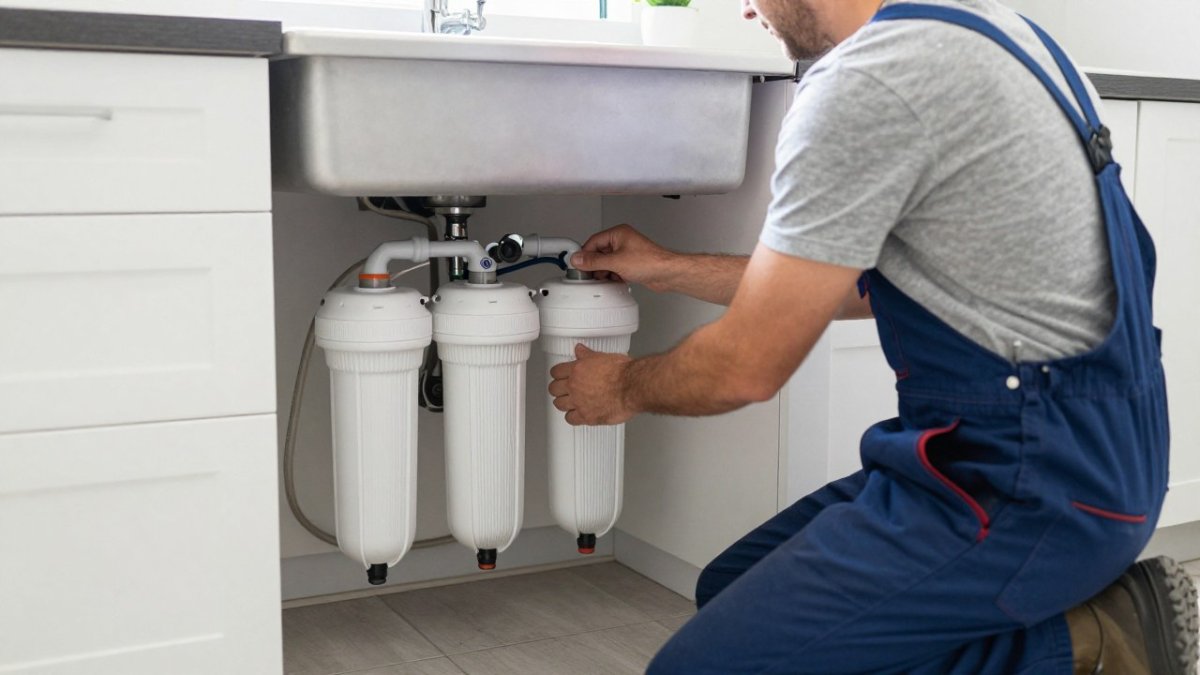
Yes, reverse osmosis can remove fluoride from drinking water. At AquaShield Home Systems, we get this question from homeowners across Northern Colorado regularly. The short answer is that a reverse osmosis system pushes water through a membrane with pores so small that most dissolved fluoride ions cannot pass through.
Here is the process in plain terms:
- Pre-filters trap sediment, rust, and chlorine before the water reaches the membrane.
- The RO membrane is the core of the system. It separates water from dissolved solids, including fluoride.
- A storage tank holds the finished water until you open the tap.
- A carbon post-filter polishes the taste before the water pours.
The membrane is the part that matters for fluoride. Everything else protects the membrane so it keeps working.
Does Reverse Osmosis Remove Fluoride Effectively?
Reverse osmosis is an effective home method for reducing fluoride in drinking water. The Centers for Disease Control and Prevention on community water fluoridation confirms that reverse osmosis is a recognized treatment method for removing fluoride at the point of use. That matters if you are trying to control what comes out of your kitchen tap.
But "effective" needs context. How much fluoride your system removes depends on the membrane, the water pressure, the water temperature, and how well the system is maintained. A worn membrane lets more through. A properly sized system with a healthy membrane does the heavy lifting.
Why Fluoride Ions Are Difficult to Filter
Fluoride is a small, water-soluble ion. That makes it hard to catch with ordinary carbon filters. A standard pitcher filter or fridge filter mostly improves taste and smell. It does not reliably pull fluoride out.
The RO membrane works because it is not a screen in the usual sense. It is a dense barrier that water is forced through under pressure. Fluoride ions are left behind with the concentrate water that flushes down the drain.
Fluoride Reduction Percentages and What They Mean
Residential RO membranes can reduce fluoride substantially, and the exact amount varies by system and water conditions. We do not quote a single percentage for every home because it would not be honest. The number printed on a membrane spec sheet assumes ideal pressure and temperature. Your real kitchen conditions may differ.
What you should take away: RO systems are rated to reduce fluoride substantially, and proper maintenance keeps that rating meaningful. When you shop, look for a system with independent test data showing fluoride reduction under NSF/ANSI Standard 58, which covers reverse osmosis drinking water treatment systems. That standard is the benchmark for verifying a manufacturer's fluoride claims rather than trusting a marketing label. Ask for the performance data sheet and check the fluoride reduction line specifically, because not every RO system is tested for fluoride even if it carries the standard.
If a system has no published fluoride data, treat its performance as unverified until you test it yourself.
Factors That Affect Fluoride Removal in Your System
Several things decide how well your system performs day to day. The biggest one is membrane condition. A clogged or aged membrane loses efficiency first and taste quality second.
Other factors:
- Water pressure. RO needs steady pressure to push water through the membrane.
- Water temperature. Cold water slows production and can lower removal efficiency.
- Pre-filter health. Dirty pre-filters let sediment reach the membrane.
- Source water chemistry. High dissolved solids put more load on the system.
If your water is very hard or heavy in iron, a softener or iron filter ahead of the RO system can help protect the membrane.
Does Reverse Osmosis Remove Chlorine, PFAS, and Lead?
Reverse osmosis removes much more than fluoride. It also reduces chlorine, lead, PFAS, and other dissolved contaminants. That broader coverage is a big reason homeowners choose RO for drinking water rather than a single-purpose filter.
Does Reverse Osmosis Remove PFAS?
RO membranes can reduce PFAS, the "forever chemicals" that have drawn attention in water supplies. The Environmental Protection Agency's PFAS resources notes that point-of-use reverse osmosis is among the treatment options that can reduce PFAS in drinking water. If PFAS is a concern in your area, RO is a strong layer of defense.
Does Reverse Osmosis Remove Lead?
RO also reduces lead. Lead usually enters water through older plumbing, not the source itself. A carbon pre-filter plus the RO membrane gives you a solid barrier at the tap. For a closer look at how RO compares to a softener for contaminant removal, see our guide on reverse osmosis vs water softener systems.
How to Verify Fluoride Reduction at Home
Testing is the only way to know what your system is actually doing. You do not have to guess. Here is how to check:
- Order a lab water test that reports fluoride specifically.
- Test your raw tap water before the RO system.
- Test the finished water from the RO faucet.
- Compare the two results side by side.
- Retest after any filter or membrane change.
A simple before-and-after test tells you whether your membrane is still pulling its weight. If the numbers drift up over time, that is your signal to replace the membrane.
Consumer Test Kits vs. Certified Laboratories
Consumer fluoride test kits can give you a rough before-and-after reading, but they have limits. Treat a home kit as a screening tool, not a final answer.
For a number you can trust, use a certified laboratory. Look for a lab accredited under a recognized program and request a fluoride-specific test with a reporting limit low enough to show the difference between your raw water and your treated water. Collect the raw sample from a kitchen tap that has not run through the RO system, then collect the treated sample from the RO faucet, following the lab's collection instructions exactly.
Watch out: a single test taken right after a filter change can look better than the system's steady-state performance, so retest after a few weeks of normal use to get a representative reading.
Reading the Results
Compare the two numbers as a percentage reduction, not just a raw difference. If your raw water reads a certain level and your treated water reads meaningfully lower, the membrane is working. If the treated number creeps up toward the raw number over months, that is your cue to check membrane age, pre-filter condition, and water pressure before assuming the system has failed. Keep your test reports on file so you can track the trend rather than relying on memory.
Reverse Osmosis Filter Replacement and Maintenance
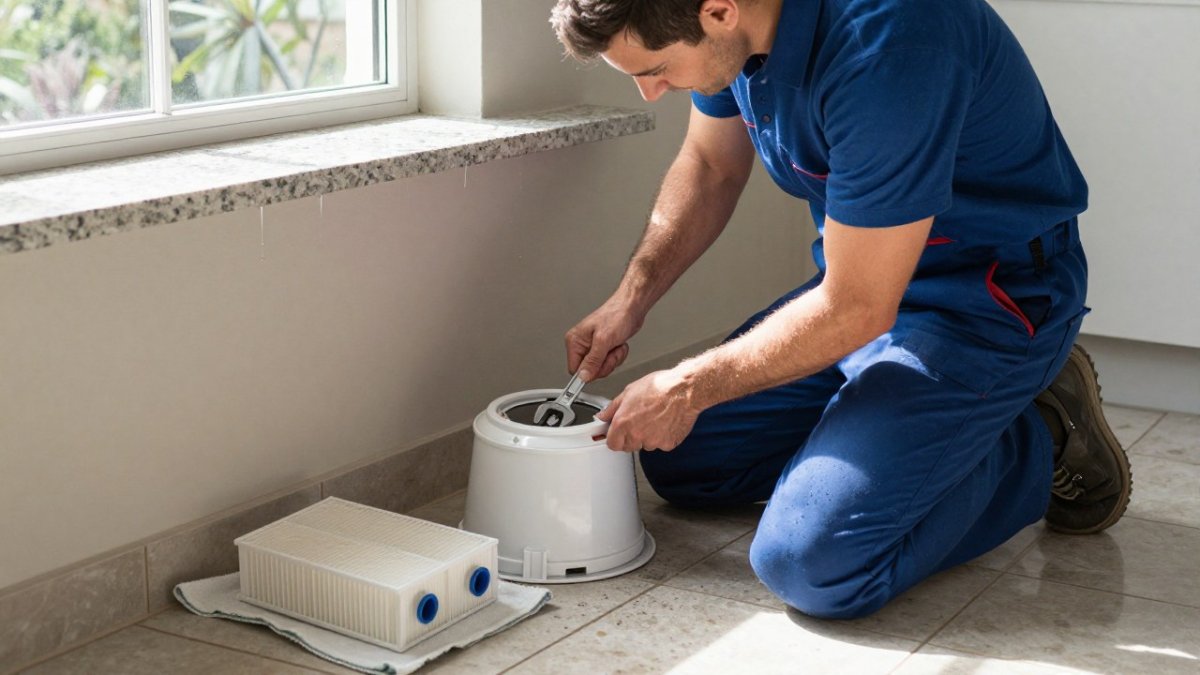
Filter changes help keep fluoride removal strong. Skipping them can cause performance to drop.
A general maintenance rhythm:
| Component | Typical Interval | Why It Matters |
|---|---|---|
| Sediment pre-filter | Every 6-12 months | Protects the membrane from grit |
| Carbon pre-filter | Every 6-12 months | Removes chlorine that degrades the membrane |
| RO membrane | Every 2-3 years | Core fluoride and contaminant barrier |
| Post carbon filter | Every 6-12 months | Keeps taste fresh |
Intervals depend on your water quality and daily use. If you would rather not track it yourself, our water filtration system maintenance service handles the schedule for you.
Fluoride Reduction vs. Complete Removal: Setting Realistic Expectations
No home system removes every last trace of fluoride, and any claim of "complete removal" deserves skepticism. What a quality RO system does is reduce fluoride to very low levels, well below what most people are trying to avoid. That is a meaningful difference for families who want more control over their drinking water.
If you also want minerals added back for taste, an alkaline remineralization stage can follow the RO membrane. You can learn more about alkaline remineralization system installation and how it fits into a full setup.
Get a Free Water Assessment for Your Home
Every home's water is different, so the right answer starts with a test. Our licensed installers and plumbers can assess your water and recommend a system sized for your household. We offer a no-pressure assessment process and transparent pricing. If you are ready to move forward, you can book reverse osmosis system installation and get cleaner water at the tap. Want the bigger picture on RO drinking water? Read the benefits of reverse osmosis for drinking water.
Fluoride in your water is a fair concern, and you deserve straight answers instead of guesswork. AquaShield Home Systems is a family-owned provider with over five years of local experience in whole-home water softeners, reverse osmosis systems, and iron removal solutions. Our licensed installers and plumbers serve Northern Colorado and the Denver metro area. Get started with AquaShield Home Systems and take the guesswork out of your drinking water.
Frequently Asked Questions
Does reverse osmosis remove fluoride from drinking water?
Yes. A properly functioning reverse osmosis system reduces fluoride through its semipermeable membrane, which blocks most dissolved ions. Actual performance depends on membrane condition, water pressure, and source water chemistry. If fluoride reduction is your main goal, choose a system with a certified membrane and replace filters on schedule.
Is it bad that reverse osmosis removes fluoride?
It depends on your health priorities. Fluoride helps prevent tooth decay, and some dentists recommend considering fluoride toothpaste or supplements if you drink exclusively RO water. However, many homeowners prefer to control their fluoride intake and value the broader contaminant reduction RO provides. Talk to your dentist about whether your family needs a fluoride source, and ask your water treatment professional about remineralization options.
How often should reverse osmosis filters and membranes be replaced?
Most reverse osmosis filter replacement schedules call for sediment and carbon pre-filters every 6 to 12 months, and the RO membrane every 2 to 3 years. Homes with high sediment, iron, or manganese in the source water may need more frequent changes. Skipping replacements lets membrane integrity decline and fluoride reduction efficiency drop.
How can I tell whether my reverse osmosis system is working?
Watch for changes in taste, smell, or flow rate, and test your water with a home test kit or lab analysis before and after the system. A TDS meter gives a quick check on overall dissolved solids, though it does not measure fluoride specifically. If flow slows noticeably or test results show rising contaminant levels, have the system inspected and consider filter replacement.