 listicle
Best Water Filtration for Well Water: 2026 Guide
Table of Contents
- Why Well Water Needs Different Filtration Than Municipal Water
- Water Testing Requirements for Well Water
- How to Fix Well Water Sulfur Smell: Causes and Treatment
- Iron Removal Systems for Well Water Explained
- Top Water Filtration Systems for Well Water
- Quick Comparison Table: System Types and Performance
- How to Choose the Right System for Your Well Water
- Installation, Maintenance, and Total Cost Considerations
- Frequently Asked Questions
Last Updated: October 7, 2026
Why Well Water Needs Different Filtration Than Municipal Water
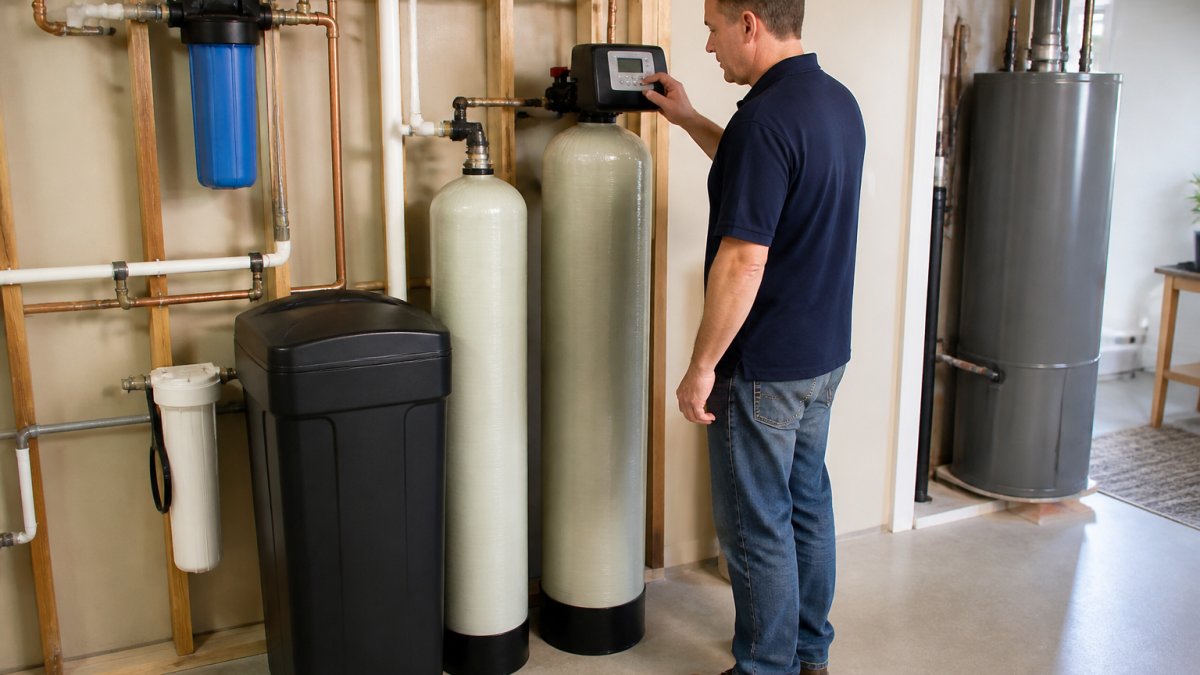
Well water faces different challenges than municipal supplies, which is why finding the best water filtration for well water is essential. Municipal systems are treated at centralized plants and regulated by the EPA, but your well water is your responsibility, meaning contaminants like sediment, iron, bacteria, sulfur compounds, and heavy metals can reach your taps untreated.
The best water filtration for well water addresses these specific threats. Municipal systems use chlorination and standardized protocols, but well water requires a custom approach because every well has a unique chemical profile. Without proper testing and targeted filtration, you're guessing at what you're drinking.
At AquaShield Home Systems, we've worked with Northern Colorado homeowners who discovered their well water problems only after a water test revealed contamination. A pitcher filter might improve taste, but it won't remove the iron staining your fixtures or the bacteria that poses real health risks.
Water Testing Requirements for Well Water
Before selecting any filtration system, you need a clear picture of what you're dealing with. Water testing is where the process begins; without it, you're buying equipment based on guesses.
The EPA recommends testing well water annually, though many homeowners skip this step. A comprehensive test checks for bacteria, nitrates, pH, hardness, iron, manganese, sulfur, and other chemical contaminants, with some panels screening over 100 potential contaminants.
Your local health department can point you toward certified laboratories that perform well water analysis. Results come back with specific measurements: parts per million (ppm) for dissolved minerals, colony-forming units (CFU) for bacteria, and yes/no results for pathogens like E. coli.
This data tells you exactly what filtration technology will solve your problem. Iron at 5 ppm requires a different system than iron at 0.3 ppm, sulfur smell needs oxidation or carbon treatment, and high bacteria counts demand UV or reverse osmosis. The test results become your filtration blueprint.
How to Fix Well Water Sulfur Smell: Causes and Treatment
That rotten egg smell in your well water is hydrogen sulfide gas. It's one of the most common complaints we hear, and it's also one of the most treatable problems if you use the right approach.
Hydrogen sulfide comes from sulfate-reducing bacteria in your well or naturally occurring sulfur compounds in groundwater. It doesn't necessarily mean your water is unsafe, but it smells terrible and can corrode pipes and fixtures. The smell is often strongest at hot-water taps because heat releases the gas.
There are three main treatments. Oxidation uses air or chemical oxidizers to convert hydrogen sulfide into solid sulfur that filters trap; whole-house systems inject air, precipitating sulfur into filter media. Activated carbon absorbs sulfur compounds directly. UV combined with carbon kills bacteria and removes odor simultaneously.
Oxidation systems work best for moderate sulfur levels, are chemical-free, and maintain water pressure. Carbon filters are simpler but need more frequent replacement. UV adds safety for biological contaminants but works best paired with carbon for odor.
The SpringWell WS Well Water Filter System uses air-injection oxidation specifically designed for this problem. It removes iron, manganese, and sulfur without chemicals, and the automated backwashing cycle keeps maintenance simple.
Iron Removal Systems for Well Water Explained
Iron in well water stains fixtures, discolors laundry, and leaves a metallic taste. It's one of the most common well water problems in Northern Colorado, and unlike sulfur, it can feed iron bacteria that create slimy biofilm in pipes.
There are two types of iron: ferrous (dissolved) and ferric (visible particles). Ferrous iron is clear in the well but turns reddish-brown when exposed to air; ferric iron is already oxidized rust particles. Your water test specifies which type you have, determining your treatment approach.
Ferrous iron responds well to oxidation systems, which convert dissolved iron into filterable particles. Ferric iron needs mechanical filtration, like a sediment filter. Many systems combine both stages to handle any iron concentration.
The Crystal Quest Whole House Well Water System handles high iron loads with multi-stage filtration media. It's customizable based on your test results, so you're not paying for treatment you don't need.
iSpring Well Water Filtration Solutions offers modular designs where you stack different filter types. If you have both iron and sediment, you add both stages. If you later discover manganese, you can add that media without replacing the whole system.
Top Water Filtration Systems for Well Water
Whole-House Oxidation Systems for Iron and Sulfur
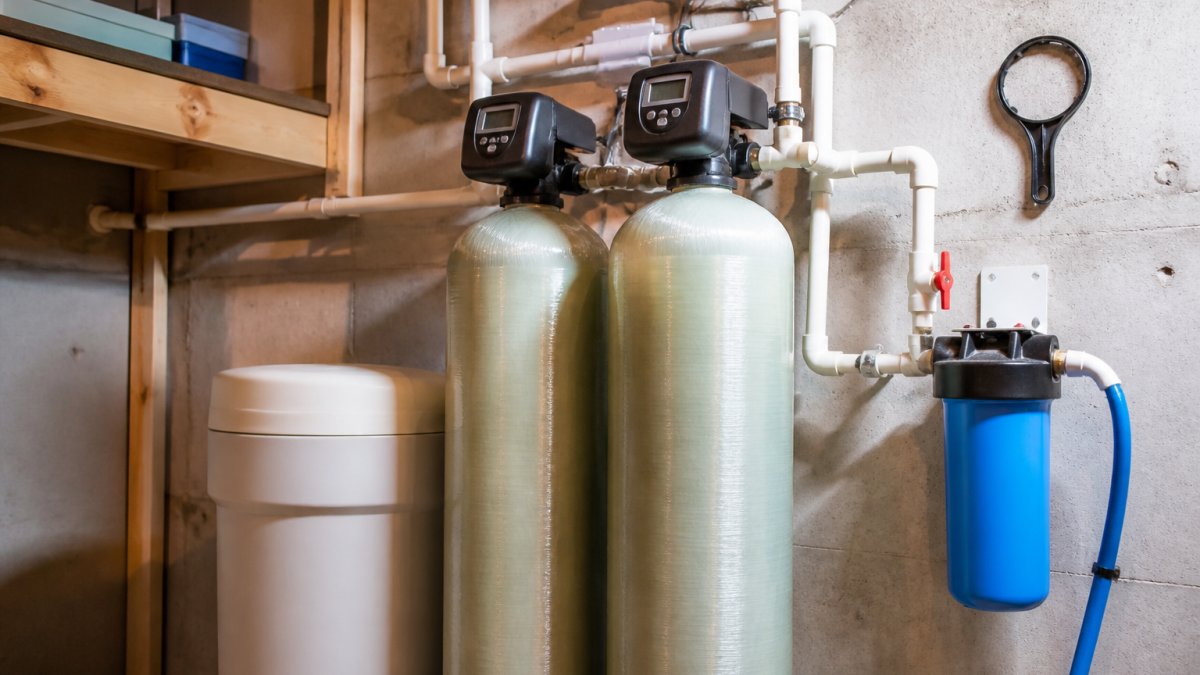
Oxidation systems are the workhorse of well water treatment, injecting air or chemical oxidizers to convert dissolved contaminants into filterable particles. The result is cleaner water throughout your entire home, not just one tap.
What makes oxidation appealing is simplicity: no chemicals to buy or inject, just air. The tradeoff is electricity for the air compressor and periodic maintenance to keep air injection calibrated. Above 10 ppm iron, oxidation may need a secondary sediment filter.
Multi-Stage Filtration for Heavy Sediment and Metals
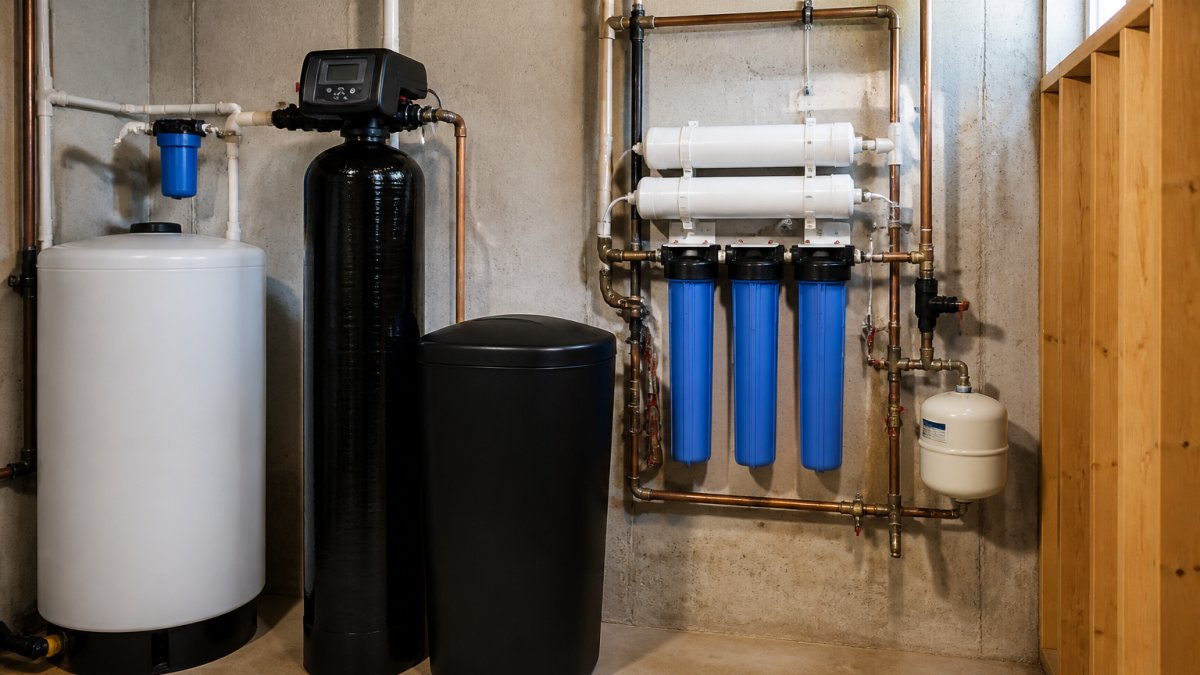
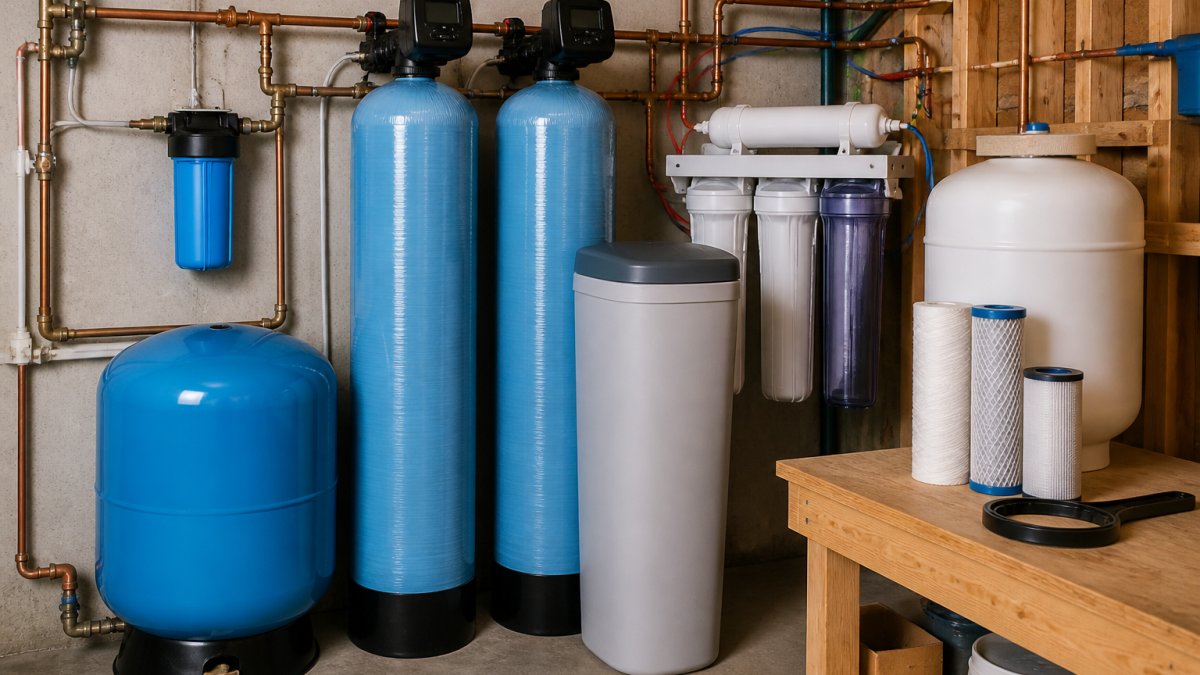
Multi-stage systems layer different filter media to handle complex water chemistry, addressing sediment, iron, manganese, and hardness in sequence.
Multi-stage systems excel when your water test reveals multiple problems, or when you want point-of-use treatment instead of whole-house. The tradeoff is more filter replacements and higher long-term maintenance costs.
UV and Reverse Osmosis for Biological Safety and Purity
When your well water test shows bacteria or viruses, or you simply want the highest purity, UV and reverse osmosis systems provide purification rather than simple filtration.
Reverse osmosis systems force water through a semi-permeable membrane, removing nearly everything: minerals, bacteria, viruses, chemicals. The result is extremely pure water, but RO wastes water (typically 3:1 or 4:1 waste-to-product ratio) and removes beneficial minerals. They work best as point-of-use systems for drinking and cooking, not whole-house treatment.
UV systems are ideal when your test shows E. coli or other bacteria. Reverse osmosis is ideal for maximum purity or multiple severe contamination issues, though it wastes water and requires remineralization for long-term drinking. UV needs electricity and lamp maintenance but doesn't waste water.
Quick Comparison Table: System Types and Performance
| System Type | Best For | Key Advantage | Main Limitation |
|---|---|---|---|
| Oxidation (SpringWell WS) | Iron, manganese, sulfur | Chemical-free, maintains pressure | Requires electricity, periodic maintenance |
| Multi-stage (Crystal Quest, iSpring) | Complex chemistry, multiple contaminants | Customizable, scalable | More filter replacements, higher long-term cost |
| UV + Filtration (Aquasana Rhino) | Bacteria, viruses, sediment | Kills pathogens, comprehensive | Requires electricity, UV lamp replacement |
| Reverse Osmosis (AquaTru) | Maximum purity, drinking water | Removes nearly everything | Wastes water, removes minerals |
| Pitcher Filters (Epic, Clearly Filtered) | Budget-conscious, renters | No installation, portable | Limited to drinking water only |
How to Choose the Right System for Your Well Water
Start with your water test results. You can't choose a system intelligently without knowing what you're treating, so test first if you haven't already.
Next, decide between whole-house and point-of-use filtration. Whole-house systems treat all your water, including showers and laundry, and make sense if sediment, iron, or sulfur affects appliances and fixtures.
Then match your contaminants to the right technology. Iron and sulfur? Oxidation or multi-stage. Bacteria or viruses? UV or reverse osmosis. Heavy sediment? Mechanical filtration. Multiple problems? Multi-stage or a treatment train (oxidation followed by carbon, for example).
Consider household size and water usage. Larger households need higher flow rates, and some systems slow water pressure noticeably. Check the gallons-per-minute (GPM) rating against your needs; a system rated for 10 GPM might not feel adequate with multiple bathrooms.
Factor in maintenance: oxidation systems need air compressor service, carbon filters need replacement every 6-12 months, UV lamps annually, multi-stage systems regular filter changes, and RO membranes every 2-3 years. Choose based on how much maintenance you'll handle yourself.
Finally, think about total cost of ownership, not just upfront price. A cheaper system needing filter replacements every three months costs more long-term than a higher-quality system with annual maintenance. Factor in filter costs, electricity, and professional service.
Installation, Maintenance, and Total Cost Considerations
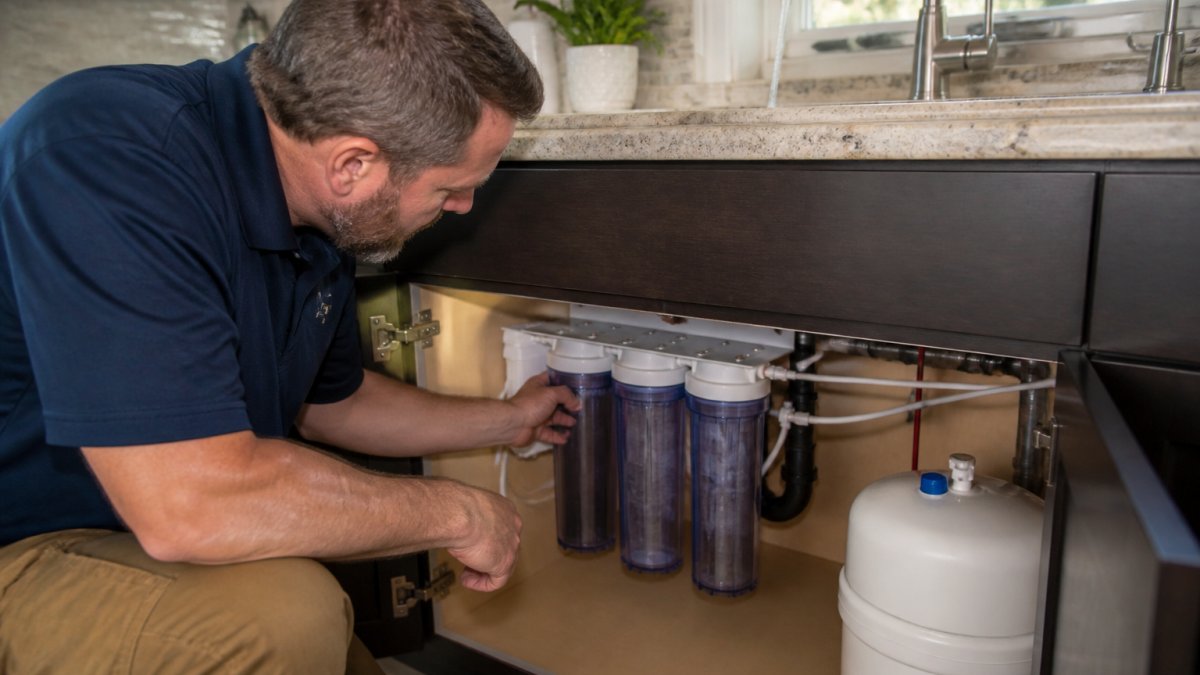
Professional installation matters more than many homeowners realize. A poorly installed system can underperform, waste water, or damage plumbing. Licensed plumbers understand water pressure dynamics, integrate systems into existing plumbing, and troubleshoot issues.
AquaShield Home Systems handles installation for whole-home systems throughout Northern Colorado. Our licensed installers understand local water chemistry and the systems that work best here, and we handle routine maintenance and filter replacements so you're not managing it yourself.
Maintenance frequency depends on your system type. Oxidation systems need air compressor inspection annually. Carbon filters need replacement every 6-12 months. Sediment filters might need quarterly replacement if your water is very dirty. UV lamps need annual replacement.
Maintenance costs add up. A system that seems affordable upfront can become expensive if filters cost $150 each and you need replacements four times per year. Calculate annual maintenance costs and factor that into your decision.
Total cost of ownership includes the system itself, installation labor, ongoing filter and media replacement, electricity for systems that require it, and any professional service calls. Over ten years, a well water filtration system can be a significant investment depending on complexity and maintenance needs.
The alternative, untreated well water causing fixture staining, appliance damage, plumbing corrosion, or health issues, costs far more. Replacing water-damaged appliances or dealing with contamination-related illness puts the filtration investment into perspective.
Frequently Asked Questions
What contaminants should I test for in my well water before choosing a filtration system?
Common well water contaminants include iron, manganese, sulfur, sediment, bacteria, nitrates, and hardness minerals. A professional water test identifies which contaminants are present in your specific well. This determines whether you need oxidation systems, sediment filters, UV sterilization, or water softening. Testing before selecting a system ensures you don't overpay for unnecessary features or underbuy on critical protection.
Can a whole-home water filtration system actually remove the rotten egg smell from well water?
Yes, but only if the smell is caused by hydrogen sulfide gas. Air-injection oxidation systems and certain multi-stage filters are specifically designed to neutralize sulfur compounds. However, if the odor comes from bacteria or other sources, you'll need UV sterilization or different treatment. A water test identifies the exact cause, ensuring the system you choose actually solves your problem rather than just masking it.
Is a whole-house system better than point-of-use filters for well water?
Whole-house systems protect all water outlets and address sediment, iron, and sulfur throughout your home, preventing appliance damage and scale buildup. Point-of-use filters like reverse osmosis are better for drinking water purity alone. Most well owners benefit from a combination: whole-home filtration for general quality and a reverse osmosis system at the kitchen sink for the highest purity drinking water.
How often do I need to replace filters in a well water filtration system?
Sediment pre-filters typically need replacement every 6-12 months depending on sediment load. Carbon and specialty media filters last 6-24 months. UV lamps need annual replacement. Reverse osmosis membranes last 2-3 years. Systems with automated backwashing cycles extend filter life. Your water test results and flow rate determine replacement frequency. Professional maintenance ensures optimal performance and helps you budget for ongoing operating costs.
Well water contamination isn't a problem that solves itself. The longer you wait, the more damage occurs to your plumbing and appliances. A proper filtration system tailored to your specific water chemistry protects your home and your family's health. AquaShield Home Systems specializes in matching the right system to your well water profile, with transparent pricing and professional installation you can trust. Get a free estimate today and discover exactly what your water needs.