 Ultimate guide
What Are the Benefits of a Whole House Water Filter?
Last Updated: October 25, 2026
Quick Summary
A whole house water filter is a comprehensive filtration system installed at your main water line that treats all water entering your home before it reaches any tap or fixture. It removes sediment, chlorine, and chloramine across your entire home, delivering cleaner water for drinking, bathing, laundry, and appliances.
- Whole house filters treat all water at the source rather than managing quality room by room like pitcher or faucet filters
- Systems remove sediment, chlorine, chloramine, and taste-and-odor compounds depending on their media configuration
- Filter replacement typically occurs every 6-12 months depending on water source, usage, and system capacity
- Heavy metals like lead and fluoride require reverse osmosis at the kitchen tap for complete removal
- Professional installation at your main water line ensures proper setup and integration with existing plumbing
Table of Contents
- Why Whole House Water Filters Matter for Your Home
- Cleaner Water at Every Tap and Fixture
- What Does a Whole-House Water Filter Remove?
- Whole-House Water Filter Pros and Cons
- Whole-House Water Filter vs. Reverse Osmosis: Which Is Right for You?
- Whole-House Water Filter Maintenance and Care
- Getting Started With Your Water Filtration System
- Frequently Asked Questions
Why Whole House Water Filters Matter for Your Home
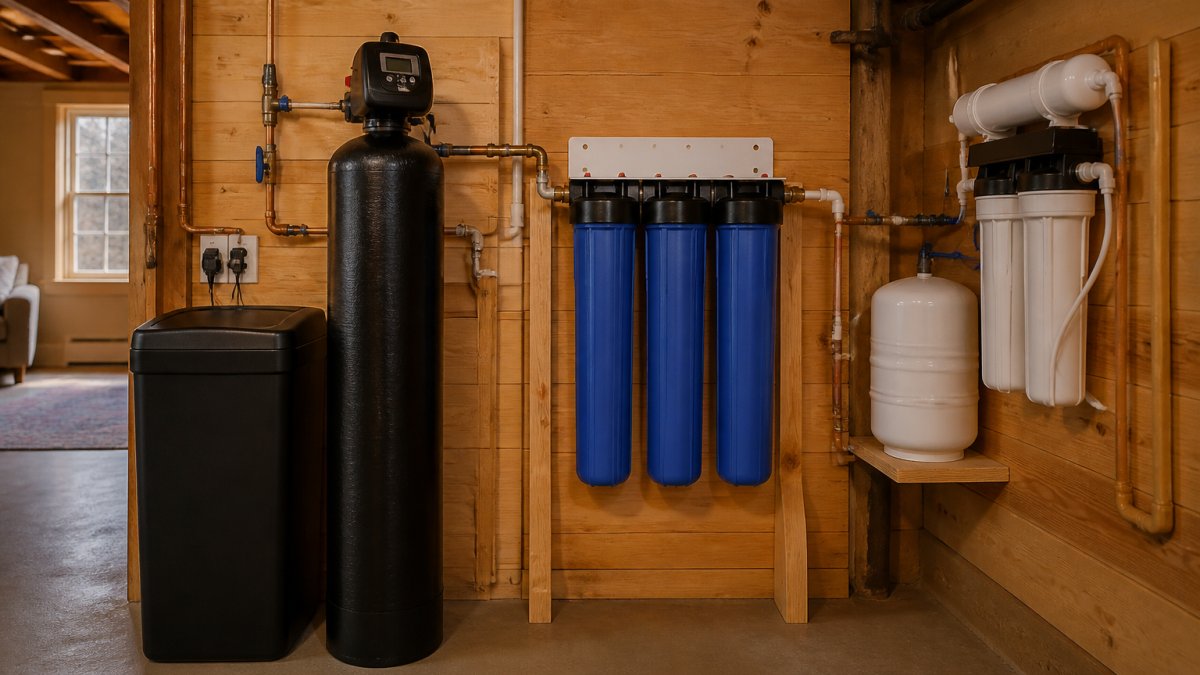
A whole house water filter is a comprehensive filtration system installed at your main water line that treats all the water entering your home before it reaches any tap or fixture.
The difference between point-of-use filters and a whole house water filter comes down to scope. A pitcher filter or under-sink system handles drinking water only. A whole house water filter addresses chlorine, sediment, and other contaminants affecting your shower, laundry, dishwasher, and every other water-dependent appliance.
Cleaner Water at Every Tap and Fixture
When you install a whole house water filter, clean water flows from every faucet in your home. Your kitchen tap delivers filtered water for cooking and drinking.
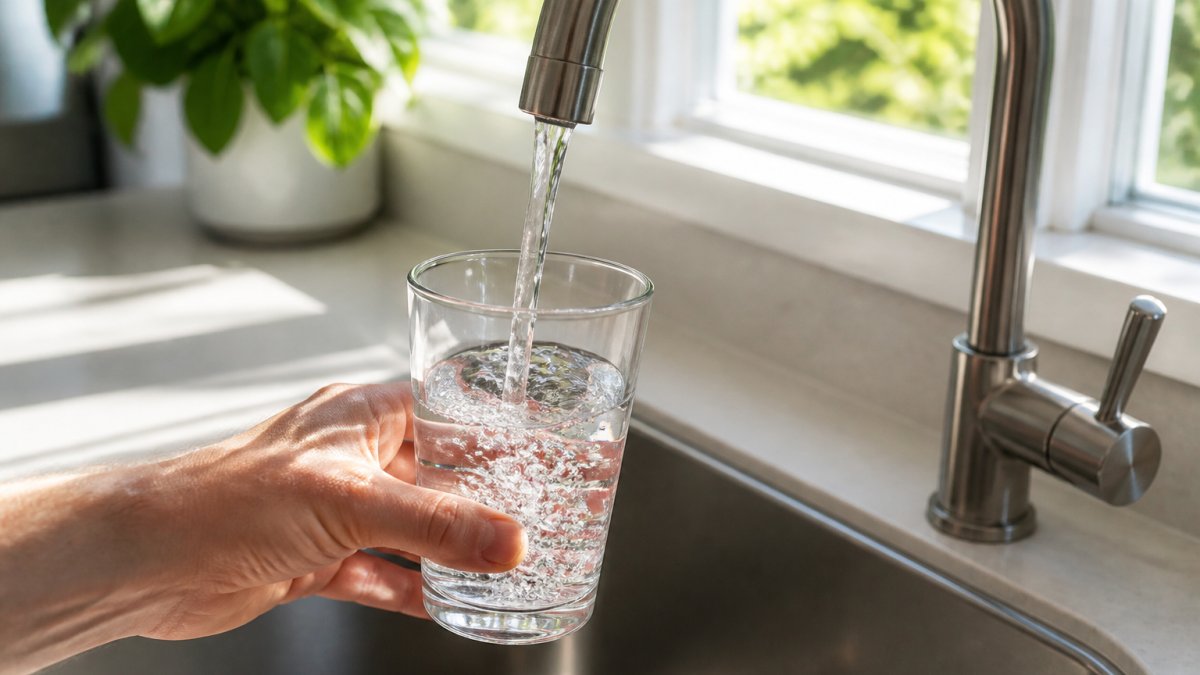
This comprehensive coverage means you're not managing water quality room by room or fixture by fixture. There's no need to remember which faucets have filters and which don't.
What Does a Whole-House Water Filter Remove?
A whole house water filter removes multiple contaminants depending on its configuration and media. Most systems target sediment, which includes fine particles that cloud water and accumulate in pipes. Activated carbon filters reduce chlorine and chloramine, the chemicals municipal water systems use for disinfection.
The specific contaminants your system removes depends on what's actually in your water source. Municipal water and well water have different contamination profiles.
Match the Media to the Contaminant
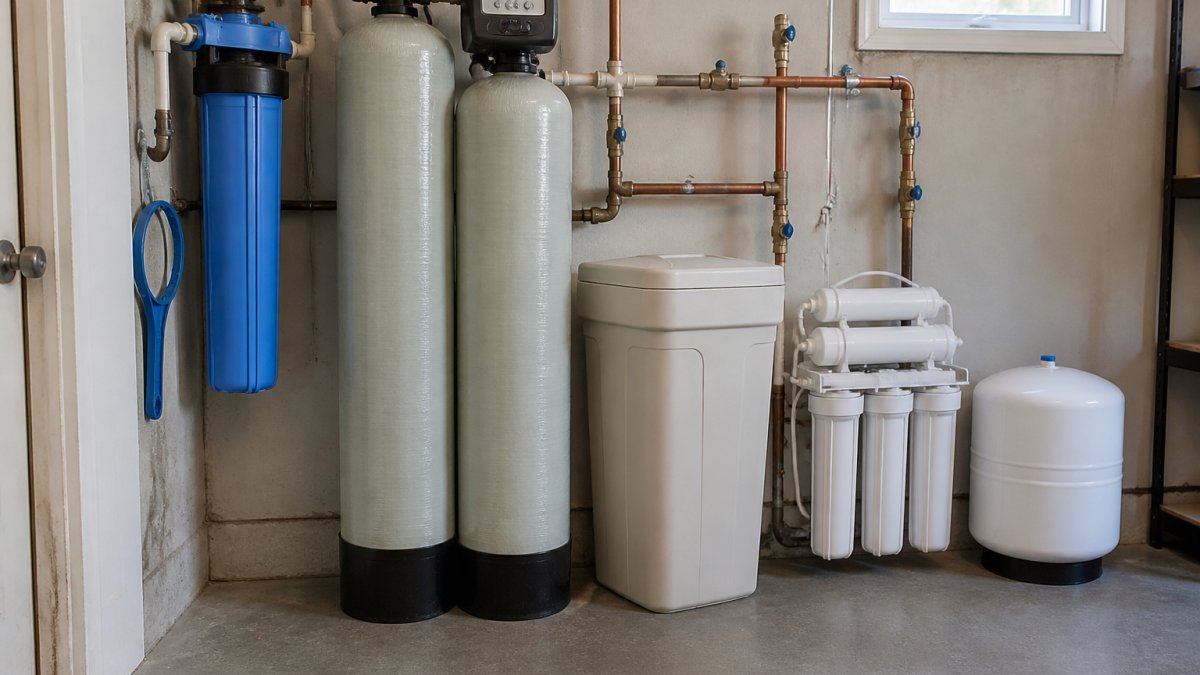
Filtration is not one technology. Each media stage targets a different class of contaminant, and the benefit you actually get depends on which stages your system includes:
- Sediment cartridges capture sand, silt, rust, and pipe scale. They protect downstream media and appliances but do not remove dissolved contaminants.
- Activated carbon (granular or carbon block) reduces chlorine, chloramine (with catalytic carbon), many volatile organic compounds, and taste-and-odor compounds. Carbon is the workhorse of whole-home filtration, but its capacity for a given contaminant is finite and declines as the media exhausts.
- KDF media is often paired with carbon to extend media life and target certain dissolved metals such as iron and hydrogen sulfide at low levels.
- Ion exchange resin in a softener removes hardness minerals (calcium and magnesium) and can reduce low levels of some metals, but it is a softening process, not a broad contaminant filter.
What a Whole-House Filter Typically Cannot Do
A whole house water filter typically cannot remove all heavy metals like lead or fluoride completely. That's where reverse osmosis systems become relevant for drinking water specifically. A whole house water filter excels at treating sediment, chlorine, and chloramine across your entire home.
It is equally important to separate filtration from disinfection and softening. A carbon or sediment filter does not disinfect water, does not remove all dissolved solids, and does not soften hard water unless it includes ion exchange resin.
Read the Certification, Not the Marketing
Broad claims like "removes 99% of contaminants" mean little without a certification behind them. Independent certification through NSF/ANSI standards is the clearest way to verify what a system actually does.
When comparing systems, look for the specific standard and the specific contaminant reduction claim on the performance data sheet, not just a logo. A certification for chlorine reduction does not imply lead reduction, and a claim tested at one flow rate may not hold at your household's peak demand.
Each filtration media targets different contaminants, and your system's effectiveness depends on which stages it includes.
| Media Type | Primary Contaminants Removed | Limitations |
|---|---|---|
| Sediment cartridges | Sand, silt, rust, pipe scale | Does not remove dissolved contaminants |
| Activated carbon | Chlorine, chloramine, volatile organic compounds, taste and odor | Capacity declines as media exhausts |
| KDF media | Certain dissolved metals, iron, hydrogen sulfide | Works best paired with carbon |
| Ion exchange resin | Hardness minerals (calcium, magnesium), some metals | Softens water but not a broad contaminant filter |
Whole-House Water Filter Pros and Cons
Pros of a whole house water filter:
- Cleaner water at every tap and fixture throughout your home
- Improved water taste and odor for drinking and cooking
- Reduced chlorine exposure during bathing and showering
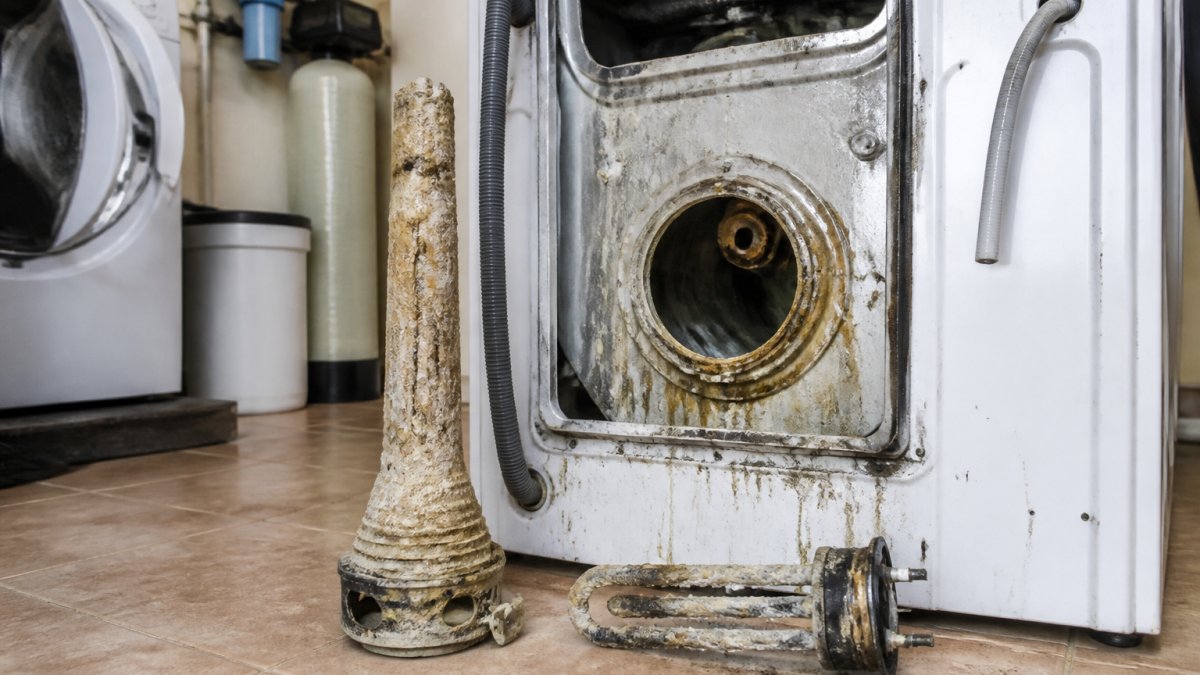
- Protection for plumbing and household appliances from sediment buildup
- Softer-feeling water that improves bathing comfort and skin sensation
- Single system addresses water quality across your entire home
- Lower maintenance than managing multiple point-of-use filters
Cons of a whole house water filter:
- Higher upfront installation cost compared to pitcher filters or faucet-mounted systems
- Requires professional installation at your main water line
- Regular filter replacement needed to maintain performance
- Cannot remove all contaminants (some heavy metals require reverse osmosis)
- Takes up space where the system is installed
- Water pressure may decrease slightly depending on filter media and system design
- Not ideal for extremely high contaminant loads without additional treatment stages
The trade-offs matter. A whole house water filter handles broad water quality improvement across your home. If you need specialized contaminant reduction for drinking water specifically, combining it with a reverse osmosis system at your kitchen sink addresses both goals.
Whole-House Water Filter vs. Reverse Osmosis: Which Is Right for You?
A whole house water filter treats all water entering your home and reduces common contaminants like sediment, chlorine, and chloramine.
The choice depends on your water quality needs and what you're trying to accomplish.
Many homeowners benefit from both systems working together. The whole house water filter improves water quality throughout your home and protects appliances.
You can book a reverse osmosis system installation to explore whether this point-of-use solution fits your specific needs alongside whole-home filtration.
Whole-House Water Filter Maintenance and Care
A whole house water filter requires regular maintenance to keep performing effectively. Filter replacement is the primary maintenance task. How often you replace filters depends on your water source, the contaminants in your water, and your system's flow rate and capacity.
Most whole house water filter systems need filter changes annually or every 6-12 months depending on usage and water quality. Some systems have bypass valves that alert you when filters need replacement.
The Performance Details That Actually Matter
Benefit-led articles rarely mention the numbers that determine whether a system works in your home. These are the specifications to check before and after installation:
- Flow rate is the gallons-per-minute the system can treat while still meeting its certified performance. A system rated below your household's peak demand (multiple showers, laundry, and irrigation running at once) will either restrict flow or fail to treat water to its certified level.
- Pressure drop is the loss in water pressure across the filter. Sediment and carbon media add resistance; as media loads with captured particles, pressure drop rises. A noticeable drop at fixtures is often the first sign a cartridge is nearing the end of its life.
- Capacity is the total volume of water (or contaminant load) a cartridge can treat before exhaustion. Capacity, not calendar time, is the true replacement trigger; a large household can exhaust a cartridge well before the nominal interval.
- Bypass matters during maintenance and for untreated-water uses such as irrigation. A bypass valve lets you service the system without shutting off the whole house and lets you route water around the filter when appropriate.
Signs the Media Is Exhausted
Carbon and sediment media do not fail all at once. Common signals that replacement is due include:
- Chlorine taste or smell returning to tap water
- Falling water pressure at fixtures
- Visible sediment or discoloration in water
- Increased hardness or scale if the system includes softening resin
- Water that no longer matches the quality you had right after installation
Maintenance Realities by Water Source
Well water with iron, sulfur, or high sediment loads typically shortens media life and calls for more frequent inspection than treated municipal water. Regular maintenance prevents these performance issues and extends system life. Review our whole home water filtration system maintenance guide for detailed filter schedules, cartridge changes, and softener care.
You can schedule water filtration system maintenance with our licensed professionals who handle filter replacement, system inspection, and performance testing to keep your whole house water filter operating at peak efficiency.
Getting Started With Your Water Filtration System
Starting with a whole house water filter begins with understanding your specific water quality. Testing your water identifies which contaminants are present and at what levels. Municipal water typically contains chlorine and sediment.
Once you know what's in your water, you can choose a system designed to address those specific contaminants.
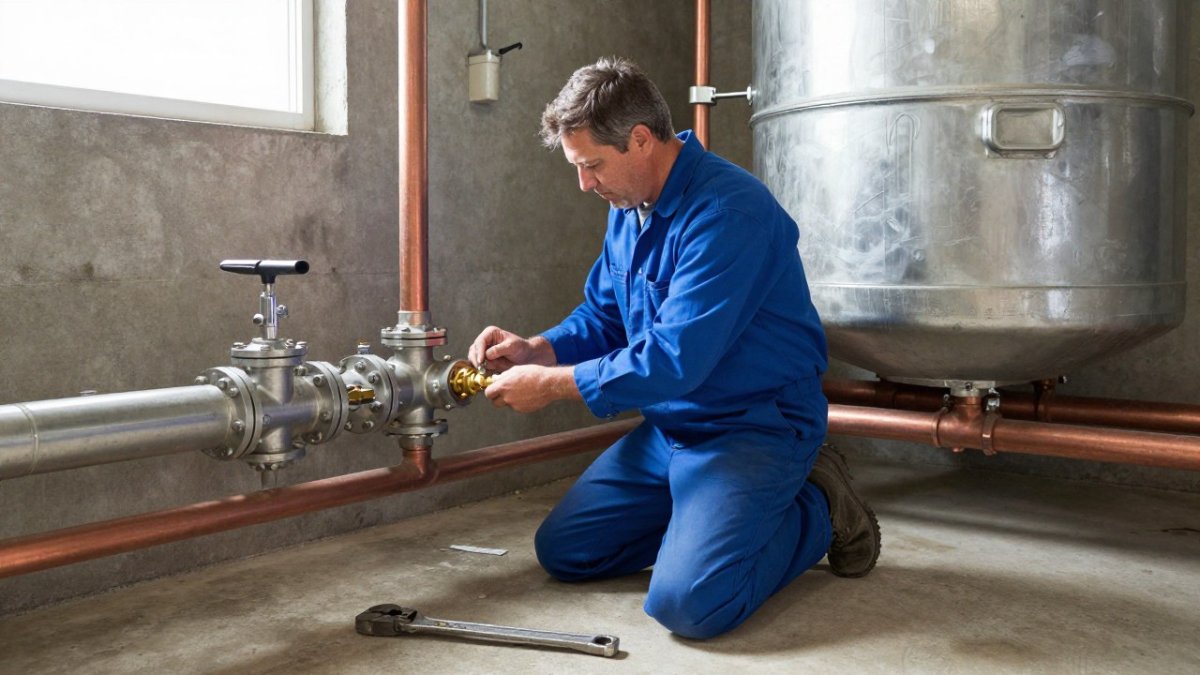
Professional installation at your main water line ensures proper system setup, correct flow rate configuration, and integration with your existing plumbing. Learn what drives installation costs so you can budget accurately for your system.
You can schedule whole home water filter installation with AquaShield Home Systems to get started.
Getting clean water flowing to every tap in your home addresses multiple water quality challenges at once.
Frequently Asked Questions
Is it worth getting a whole house water filter?
A whole house water filter is worth the investment if your municipal water or well water contains contaminants like chlorine, sediment, or minerals that affect taste, odor, or appliance performance. The benefit depends on your water quality and what specific issues you're experiencing. Testing your water first helps determine whether a whole house water filter addresses your actual concerns and delivers the return you need.
What are the disadvantages of a whole house water filter?
Whole-house water filter systems require regular maintenance, including filter replacement on a schedule determined by your water quality and usage. Initial installation costs are higher than point-of-use filters. Some systems may reduce water pressure slightly if not sized correctly for your home. Additionally, while they remove many contaminants, no single whole-house filter removes everything, some contaminants may still require a dedicated reverse osmosis system for drinking water.
What contaminants can a whole-house water filter remove?
A whole-house water filter can reduce chlorine, chloramine, sediment, particulates, taste and odor issues, and some volatile organic compounds depending on the filtration media used. Activated carbon filters excel at chlorine and odor reduction. Sediment filters trap particles and minerals. However, whole-house filters have limits, bacteria, microorganisms, and some heavy metals may require additional treatment stages. Water testing identifies which contaminants are present so you can choose the right filtration approach.
Does a whole-house water filter improve water taste and odor?
Yes, whole-house water filters significantly improve taste and odor, especially when chlorine or sulfur contamination is present. Activated carbon filtration removes chlorine and chloramine, which cause unpleasant tastes, and reduces sulfur odors common in well water. The improvement is noticeable at every tap, drinking water, cooking water, and shower water all benefit. For homes with persistent odor or taste issues, combining a whole-house filter with a reverse osmosis system at the kitchen sink provides the best results.
Do whole-house water filters need regular maintenance?
Yes, whole-house water filters require regular maintenance to perform effectively. Filter replacement schedules depend on your water quality, household usage, and the type of filtration media. Sediment filters typically need replacement every 6 to 12 months, while activated carbon filters may last 12 to 18 months. Regular maintenance ensures consistent water quality, protects your plumbing and appliances, and prevents pressure drops. Professional maintenance services can handle replacements and system inspections.
Should I choose a whole-house filter or an under-sink filter?
Choose a whole-house filter if you want filtered water at every tap and need protection for your plumbing and appliances. Choose an under-sink (point-of-use) filter if you only need high-quality drinking and cooking water and want a lower-cost option. Many homeowners use both: a whole-house filter for general water quality improvement and an under-sink reverse osmosis system for premium drinking water. Your water test results and specific concerns should guide the decision.