 Ultimate guide
Why Do Whole Home Water Systems Cost More?
Last Updated: November 8, 2026
Quick Summary
Whole home water systems cost more because they treat every gallon entering your house, not one tap. You pay for a treatment train sized to your water, plus the plumbing work to move hundreds of gallons a day through it without wrecking your pressure.
- Equipment alone rarely tells the full story; filtration scope, household demand, and plumbing needs drive cost.
- Undersizing a system chokes your flow rate, which you feel when two showers run at once.
- A whole-house system protects appliances and handles hard water with a softener; an under-sink filter does neither.
- Compare annual consumable cost, not just purchase price, since short filter intervals can cost more over five years.
- Ask contractors for peak flow rate, tank and media capacity, and equipment certification in writing.
Table of Contents
- Why Whole Home Water Systems Cost More Than You Expect
- What Drives Whole House Water Filter Cost
- The Labor Cost to Install a Water Filtration System
- Whole-House Water Filter vs. Under-Sink Filter: What the Price Difference Buys
- Whole-Home Water Filtration System Maintenance and Lifetime Costs
- How Water Testing and Contaminant Targets Determine System Design
- How to Evaluate a Contractor Quote and Avoid Oversizing
- Get a Free Estimate for Your Whole-Home System
- Frequently Asked Questions
Why Whole Home Water Systems Cost More Than You Expect
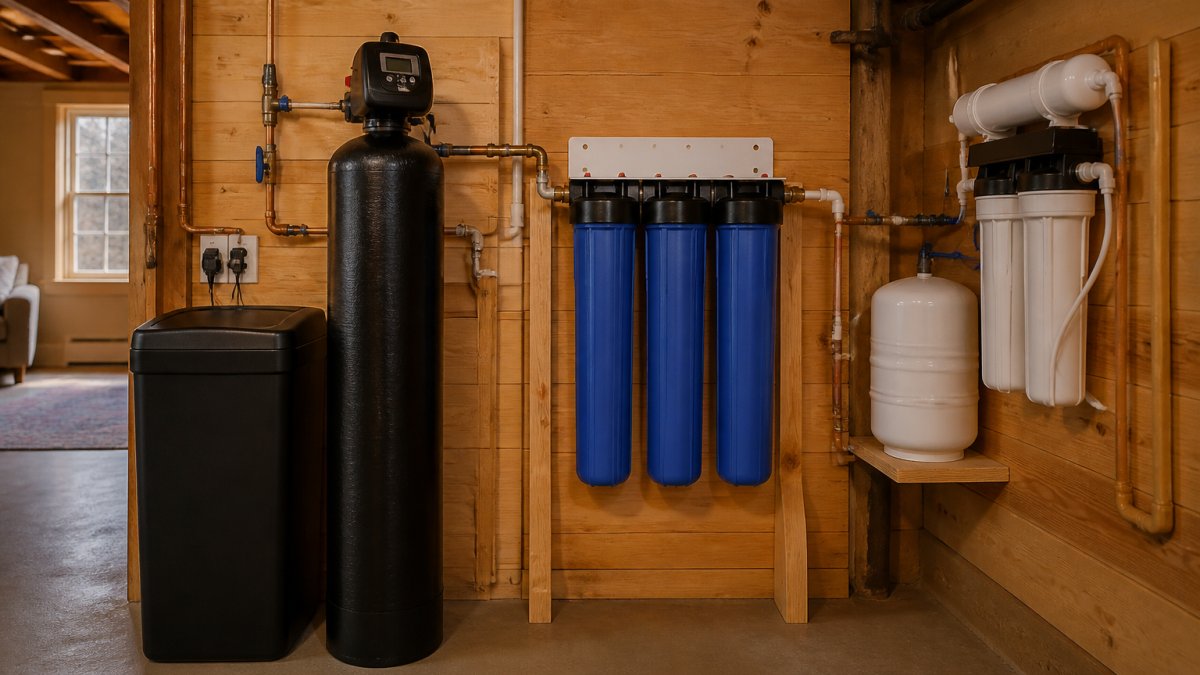
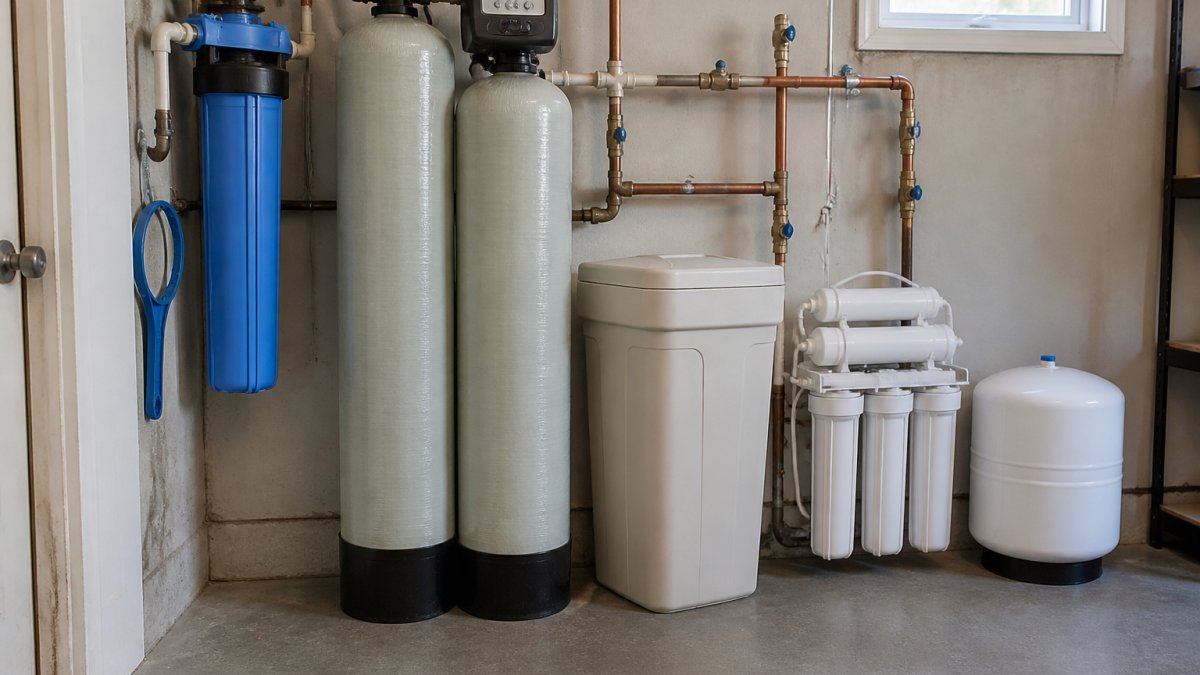
A whole home water system is a point-of-entry treatment setup that filters or conditions every gallon entering your house, rather than treating water at a single tap. That single design choice explains most of the price gap. This guide breaks down where the money actually goes, why whole home water systems cost more than a single fixture filter, and how to tell whether a quote is fair or padded.
Here is the part most homeowners miss: you are not just buying a filter. You are buying a treatment train sized to your water, plus the plumbing work to move hundreds of gallons a day through it without wrecking your pressure. A small under-sink unit handles a few gallons. A whole-home system handles everything, all at once, forever. That is a different piece of equipment.
What Drives Whole House Water Filter Cost
The whole house water filter cost comes down to three things: what the system has to remove, how much water your household moves, and how much plumbing the installation needs. Equipment alone rarely tells the full story.
Filtration Scope and Contaminant Targets
A basic sediment and carbon system is the simplest build. Add iron removal, a water softener, or reverse osmosis and the price climbs with each stage. Every stage adds filtration media, a tank, valves, and another connection point.
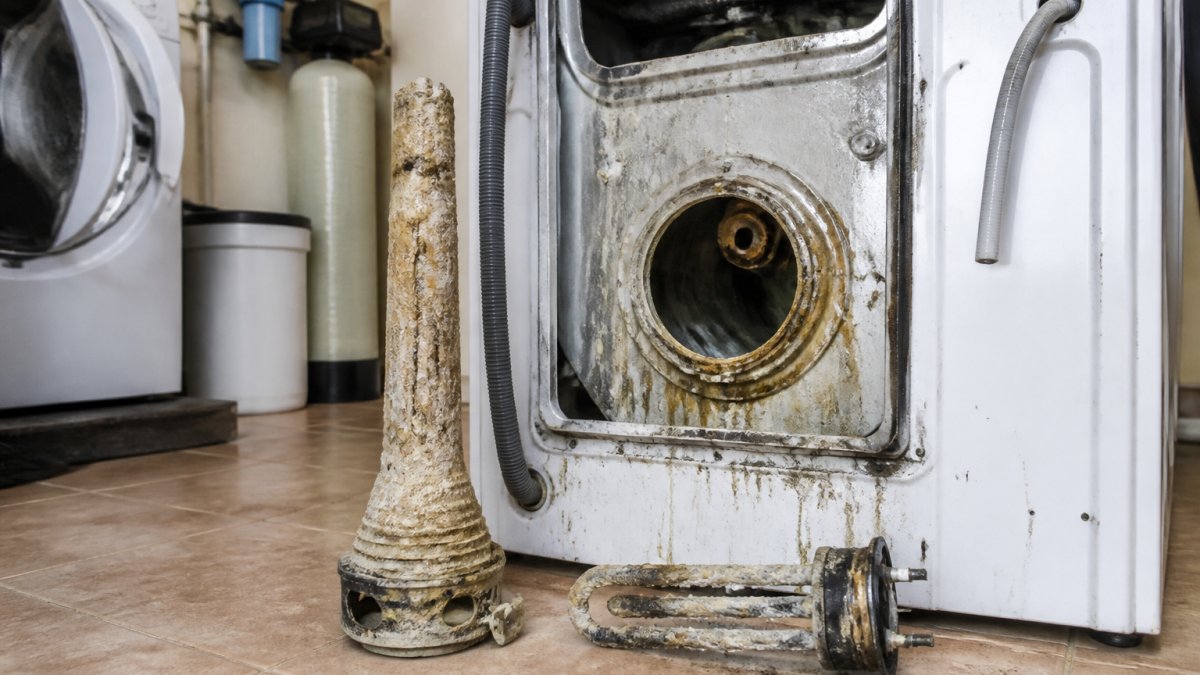
Hard water is the classic example. Scale buildup can shorten the life of water heaters and appliances, so some homeowners pair a softener with carbon filtration. That combination costs more upfront but can protect equipment already in the home.
System Sizing, Flow Rate, and Household Demand
Undersizing is a common mistake in whole-home installations. A system that is too small for your household size and water demand will choke your flow rate, and you will feel it every time two showers run at once.
Sizing depends on:
- How many bathrooms and fixtures draw water at the same time
- Peak flow rate your plumbing can deliver
- Tank size and filter capacity matched to your daily use
- Whether you have a well or municipal supply
A larger household needs a bigger treatment capacity. There is no way around it, and no honest installer will pretend otherwise.
The Labor Cost to Install a Water Filtration System
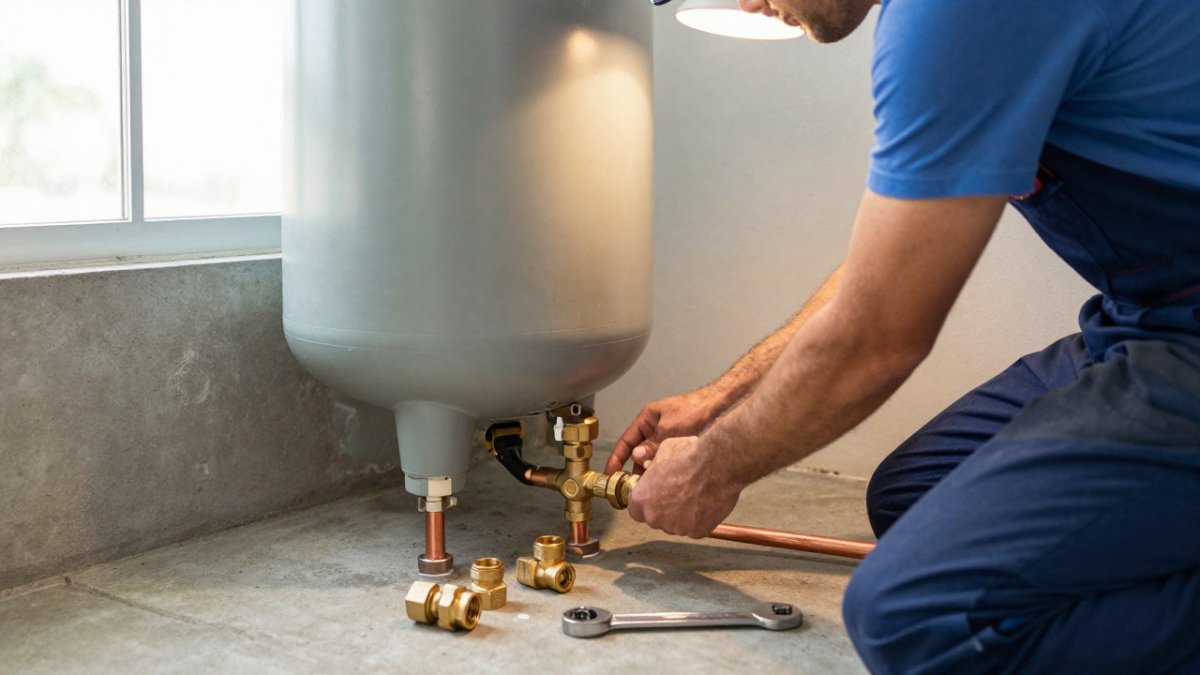
The labor cost to install a water filtration system is where quotes diverge the most. Two homes on the same street can need very different amounts of work, and that shows up in the labor line.
Home-Specific Installation Complexity
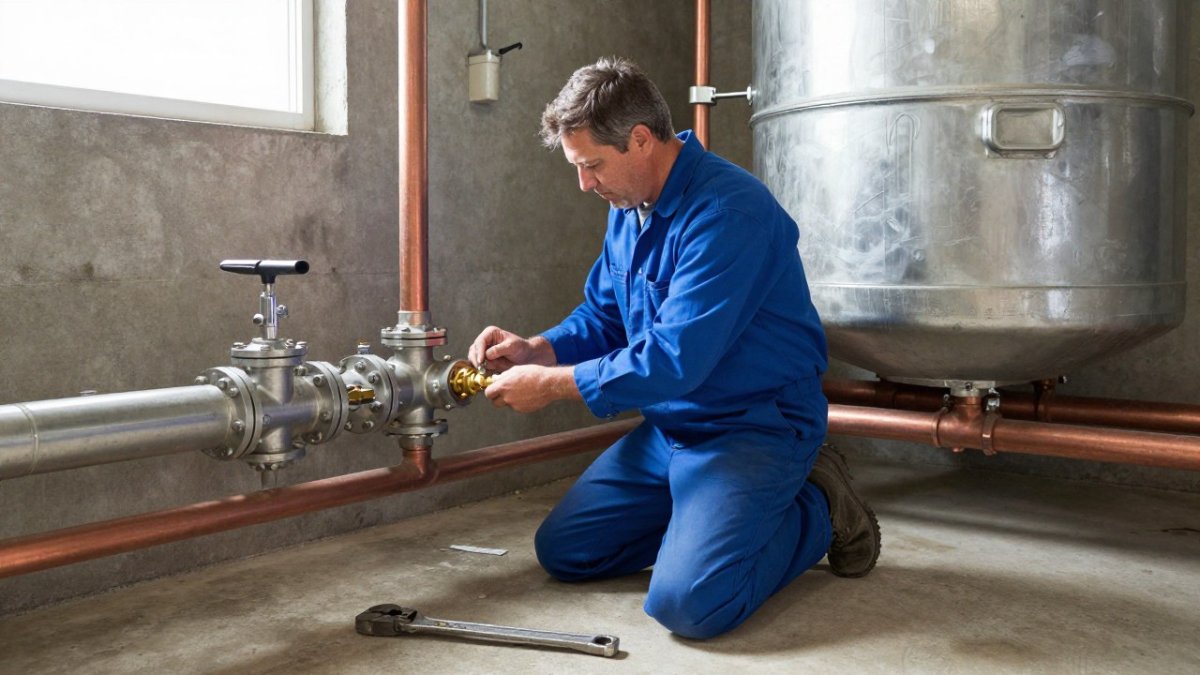
Plumbing modifications drive labor. Tight utility rooms, older copper or galvanized pipe, no nearby drain, and electrical work for a control valve all add hours. A clean, open mechanical room with easy shutoff access is the easy case.
Watch out: a quote that lists one flat labor number without a look at your mechanical room may be based on guesswork. Ask what happens if the install runs long.
Whole-House Water Filter vs. Under-Sink Filter: What the Price Difference Buys
A whole-house water filter treats every tap, shower, and appliance, while a point-of-use filter treats one faucet. The price difference buys whole-home coverage and appliance protection, not just better drinking water.
The under-sink unit is a fine choice if drinking water is your only concern. It is cheaper to buy and simpler to install. But it does nothing for the scale building up in your water heater or the chlorine drying out your skin in the shower.
If whole-home coverage is what you are after, you can view whole home water filter installation to see how the service works.
| Feature | Under-Sink Filter | Whole-House System |
|---|---|---|
| Coverage | One tap | Every fixture |
| Protects appliances | No | Yes |
| Handles hard water | No | Yes, with softener |
| Installation scope | Small | Full plumbing tie-in |
| Maintenance points | One cartridge | Multiple stages |
Whole-Home Water Filtration System Maintenance and Lifetime Costs
Upfront cost is only half the budget. The number that actually decides whether a whole-home system was a good buy is the total cost of ownership: purchase price plus every filter, media change, salt bag, service call, and replacement interval over the years you own the house. Two systems with the same sticker price can land in very different places once you add up what each one consumes.
Build your own ownership estimate by listing these recurring costs against the schedule the manufacturer specifies:
- Sediment and carbon cartridges. These are the most frequent replacement item. Interval depends on your water's sediment load and how many gallons your household runs through the system.
- Softener salt and resin care. Salt is a steady consumable, and resin has a service life that eventually requires replacement rather than a refill.
- Iron and sulfur media. Media beds for iron and sulfur treatment are replaced on a multi-year cycle, not annually, but the replacement is a larger single expense when it comes.
- Control valve and electrical. Valves, timers, and control boards are the parts most likely to need service, and they draw a small but real amount of electricity.
- Water waste. Softeners and reverse osmosis stages send some water to drain during regeneration or rejection. That shows up on your water bill, not the equipment invoice.
- Service visits. Annual checks on valves and controls catch problems before they become callbacks, but they are a line item too.
A common pattern is that homeowners compare only the cartridge cost and miss the media and service lines, which is where the long-term budget actually lives. Ask every contractor for the maintenance schedule and the replacement part numbers in writing before you sign, so you can price the consumables yourself.
Watch out: a system sold on a low upfront price with short filter intervals can cost more over five years than a higher-priced system with longer intervals. Compare the annual consumable cost, not just the purchase price.
Our whole home filtration system maintenance guide walks through filter schedules and cartridge changes in detail, and you can view whole home water filter installation to see how the service side is handled after the install.
How Water Testing and Contaminant Targets Determine System Design
Water testing is a sensible step before any quote. Test results tell you which contaminants are actually present, and that can guide the treatment train.
Sediment, chlorine, hard water, iron, and sulfur each call for different filtration media and stages. Testing for all of them at once prevents two expensive problems: paying for treatment you do not need, and missing the one contaminant that is causing your complaint.
If you have wondered whether a system will fix a rotten egg smell or just mask it, the answer starts with testing for sulfur. Design should follow test data.
How to Evaluate a Contractor Quote and Avoid Oversizing
A fair quote is itemized, and the line items should map to the treatment train your water test calls for. The fastest way to compare two bids is to rebuild both into the same four buckets: equipment, labor, plumbing modifications, and permits.
Ask for the quote to break out these lines separately:
- Equipment by stage. Sediment filter, carbon tank, softener, iron filter, and any reverse osmosis stage should each appear as its own line with model number and rated capacity.
- Labor hours and rate. A flat labor number hides whether the installer expects a two-hour tie-in or a full-day rebuild.
- Plumbing modifications. Pipe size changes, bypass valves, drain connections, and electrical work for a control valve should be listed, not folded into labor.
- Permits and inspection responsibility. Confirm in writing who pulls the permit and who is on site for the inspection.
- Startup and haul-away. Media loading, flushing, and disposal of old equipment are real line items that some bids omit and then add later.
A useful sanity check is to ask each contractor for the same three specifications in writing: peak flow rate in gallons per minute, tank and media capacity, and the certification the equipment carries. If two bids list different flow rates for what is supposed to be the same job, you are comparing different systems, not different prices.
Watch out: a quote that lists a flow rate higher than your plumbing can deliver is a sign the system was sized off a brochure rather than your home. Oversizing shows up as extra stages, oversized tanks, and a higher price for treatment your water test does not support.
Before you sign, read up on how to verify a licensed plumber and confirm permit and timeline responsibility. To see where each line item comes from, our breakdown of whole home water filter installation cost walks through equipment, labor, and the fees that get buried in a lump-sum bid.
Get a Free Estimate for Your Whole-Home System
The honest answer to why whole home water systems cost more is that you are paying for whole-home coverage, correct sizing, and a proper installation. Get that wrong and the savings disappear in callbacks and replacements.
At AquaShield Home Systems, we are a family-owned team of licensed installers and plumbers with over five years serving Northern Colorado and the Denver metro. We test your water first, size the system to your home, and quote transparently with no pressure. You can claim your exclusive discount and request a free estimate.
If your water is leaving scale on fixtures or your well water smells off, the right next step is a water test and an honest sizing conversation. AquaShield Home Systems offers transparent pricing, a no-pressure assessment, and licensed installation of softeners, reverse osmosis, and iron removal systems built for local water. Get started with AquaShield Home Systems and get clean, great-tasting water at every tap.
Frequently Asked Questions
Is it worth it to get a whole house water filtration system?
It depends on what your water contains and what you want to protect. A whole home water system treats every tap, so it can reduce sediment, chlorine, and hardness-related scale across appliances, showers, and laundry rather than at a single faucet. If you have hard water or iron and sulfur issues, the appliance protection and water quality gains tend to justify the upfront cost over time. If your only goal is better-tasting drinking water, a point-of-use filter may be enough.
Why are whole-home water systems more expensive than under-sink filters?
An under-sink filter treats one faucet and installs in minutes under a cabinet. A whole home water system sits on the main supply line and must handle every gallon the household uses, which means larger filtration media tanks, higher flow rate capacity, and plumbing modifications. You are paying for whole-home coverage, treatment capacity, and professional installation, not just a cartridge. That scope difference explains most of the price gap.
What factors affect the cost of a whole-home water system?
The biggest drivers are the contaminants you need to remove, system size and flow rate relative to household demand, and installation complexity such as pipe routing, valves, and space in the utility area. Equipment cost, labor cost to install a water filtration system, and ongoing filter replacement all add up. Water testing is the starting point because it tells you which filtration media and treatment capacity you actually need instead of guessing.
Does a whole-home water filter require professional installation?
Most whole-home systems tie into the main water line, which means cutting pipe, adding valves, and confirming flow rate and pressure afterward. A licensed plumber handles the plumbing modifications and checks for leaks and code compliance. Some homeowners attempt DIY installation, but mistakes on the main line can cause water damage or void warranties. Professional installation also gives you a clear point of accountability if something goes wrong.