 How-to
Affordable Water Service in Colorado: What It Should Include
Last Updated: November 9, 2026
Quick Summary
Affordable water service in Colorado means the total cost of getting your water right the first time: the right equipment for your tested water, a licensed install, and a service path afterward. A low bid that skips the water test is not a bargain, it is a delay.
- A quote that skips a water analysis is guessing, and the wrong system fails early.
- Any honest assessment starts with hardness, iron, and sulfur numbers, not a sales pitch.
- Treatment order matters: sediment first, then carbon, then softener, then point-of-use RO.
- Ask whether the bypass valve, drain line, outlet, permit, and haul-away are included.
- AquaShield Home Systems offers a no-pressure assessment and transparent pricing.
Table of Contents
- What Affordable Water Service in Colorado Actually Means
- Why the Cheapest Quote Often Costs More
- Start With a Water Test, Not a Sales Pitch
- Matching the System to Your Water Problem
- Whole Home Water Softener Cost: What Drives the Number
- Questions to Ask Before Hiring a Plumber for Water Treatment
- Reverse Osmosis System Maintenance Tips That Protect Your Investment
- DIY Water Quality Troubleshooting Before You Call Anyone
- Get a Free Estimate and a Straight Answer on Your Water
- Frequently Asked Questions
What Affordable Water Service in Colorado Actually Means
Affordable water service in Colorado is not the lowest quote you can find.
Homeowners in Northern Colorado and the Denver metro area often pay twice for the same problem when the first system is chosen without proper testing.
Hard water, iron, sulfur, and sediment are the usual culprits here. A low bid that ignores your actual water chemistry is not a bargain. It is a delay.
Below, we break down what a fair quote should include, what drives the price, and how to spot the difference before you sign.
Why the Cheapest Quote Often Costs More
A low number usually means something was left out. Sometimes it is the water test.
Watch out: a quote that skips a water analysis is guessing. Guessing leads to the wrong system, and the wrong system fails early.
A fair price covers the right equipment for your water, a licensed install, and a service path afterward. That combination is what "affordable" should mean.
Start With a Water Test, Not a Sales Pitch
Any honest assessment starts with numbers, not a pitch. You need to know your hardness, iron level, and whether sulfur or sediment is present before anyone recommends equipment.
If you want to check your own water first, our guide on how to test for hard water at home walks through soap tests, test strips, and a sampling method, plus what your results mean.
Reading Your Local Water Quality Report
If you are on a municipal supply, your utility publishes an annual water quality report. It lists detected contaminants, treatment methods, and the range of hardness across the system.
Pull the report for your address before you shop. It tells you what the utility already removes and what is left for you to handle.
Well owners do not get this report. For private wells, a lab sample is the only way to know what you are dealing with, and it is worth doing before you spend anything on equipment.
Matching the System to Your Water Problem
The right system depends on what is actually in your water, and the numbers from your test are what decide it. Two homes on the same street can need different equipment if one is on a municipal supply and the other draws from a private well.
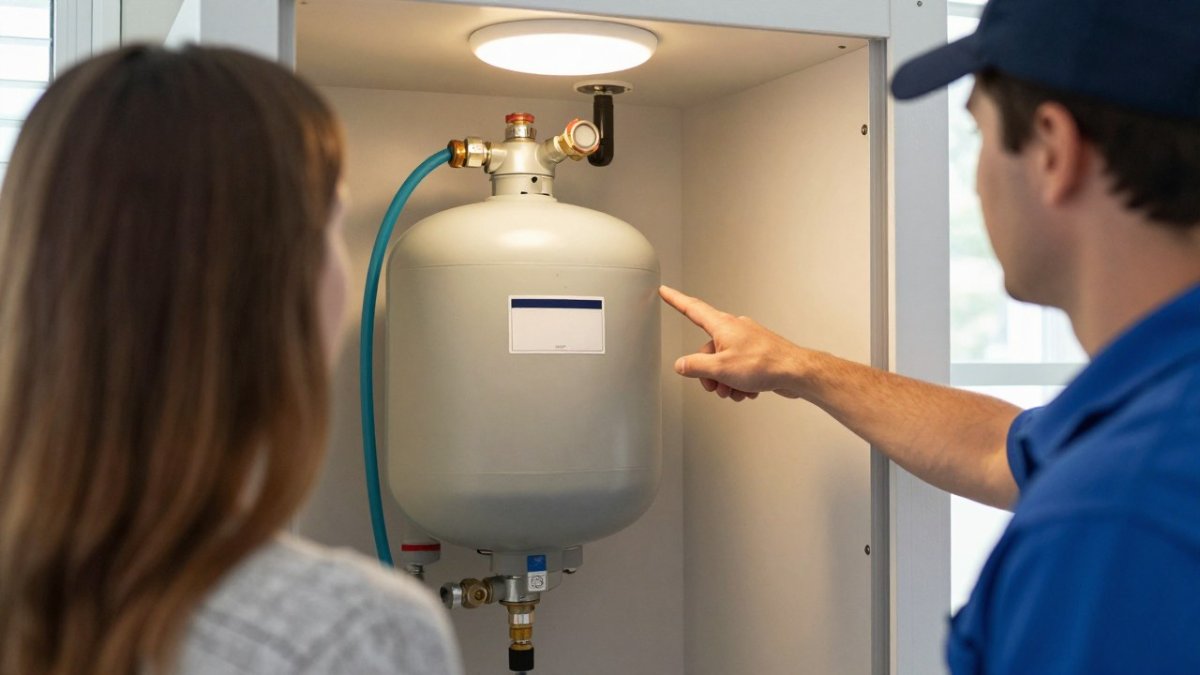
Reading Your Test Results Like an Installer
Hardness is measured in grains per gallon (gpg).
Iron is the second number that matters. Iron levels affect which equipment is appropriate, and the water test should determine whether a dedicated iron filter is needed ahead of a softener.
Sulfur shows up as a rotten-egg smell and is measured separately.
Watch out: a quote that recommends equipment without these three numbers in hand is guessing, and a softener sized for average municipal water will fail early in a home with high iron.
Softeners, Whole-Home Filtration, and Reverse Osmosis
Water softening removes the calcium and magnesium that cause scale through ion exchange. Resin beads trade sodium or potassium for hardness minerals, and the unit periodically regenerates by flushing brine through the bed.
Whole-home filtration handles sediment, chlorine, and taste across every tap.
Reverse osmosis polishes drinking water at a single faucet. It pushes water through a semi-permeable membrane that rejects dissolved contaminants a softener cannot touch, including nitrates, arsenic, and dissolved salts.
Many homes need a combination, and the order matters: sediment first, then carbon, then softener, then point-of-use RO. If you are comparing the options side by side, our breakdown of how water treatment options compare covers softeners, reverse osmosis, and iron filters in one place.
Sizing the Equipment to the Household
Softener capacity is driven by hardness multiplied by daily household water use, plus a reserve for regeneration days.
RO systems are sized by daily drinking-water demand and the incoming total dissolved solids. Higher TDS means the membrane works harder and the system rejects more water to the drain, which is why a pre-softener or carbon stage often pays for itself in membrane life.
Whole Home Water Softener Cost: What Drives the Number
Whole home water softener cost depends on four things: your water hardness, the size of the unit, the condition of your plumbing, and whether permits or electrical work are needed.
A water test is the basis for any quote, so the number reflects your actual water. For a full breakdown of what shapes whole-home pricing, see our whole home water filter installation cost guide.
Questions to Ask Before Hiring a Plumber for Water Treatment
Before you hire anyone, ask five questions, and listen for what a good answer actually sounds like. The answers separate a professional from a salesperson with a truck.
- Are you licensed, and can I see the license number? A licensed installer should be willing to provide their license number for verification. If someone dodges the question or says the license is "with the office," walk away.
- Will you test my water before quoting equipment? The right answer is yes, and the test should cover hardness, iron, and sulfur at minimum. A quote built on a guess is not a quote, it is a placeholder.
- What is included in the quote, and what is extra? Ask specifically about the bypass valve, the drain line, the electrical outlet, the permit, and haul-away of the old unit. Those line items are where low bids quietly grow.
- Who handles permits and haul-away? In most jurisdictions, a plumbing permit is required for water-treatment installation, and the installer should pull it, not you. Haul-away of the old softener or filter should be stated in writing.
- What does service look like after installation? Ask about the warranty term, who honors it, response time for a service call, and whether filter changes are included or billed separately.
Comparing Two Quotes on Equal Footing
The most common mistake homeowners make is comparing the bottom-line number on two quotes that cover different scopes. Put both quotes side by side and check that each one lists the same equipment model, the same capacity, the same install scope, and the same service terms. A quote that omits the bypass valve or the permit is not cheaper, it is incomplete.
Watch out: a quote that is dramatically lower than the others usually means a smaller unit, a skipped water test, or no service path afterward. Ask what was left out before you assume you found a deal.
What to Put in Writing
Get the equipment make and model, the rated capacity, the install date, the permit responsibility, the warranty terms, and the service-call response window in the contract. Verbal promises about "lifetime support" do not survive a change of ownership or a busy season. Our guide on finding a licensed plumber for water system installation covers what to verify and what to put in writing.
Here are the five questions the article says to ask before hiring anyone for water treatment work.
| Question | What a good answer looks like |
|---|---|
| Are you licensed, and can I see the license number? | Installer provides license number for verification |
| Will you test my water before quoting equipment? | Yes, covering hardness, iron, and sulfur at minimum |
| What is included in the quote, and what is extra? | Bypass valve, drain line, outlet, permit, haul-away stated |
| Who handles permits and haul-away? | Installer pulls the permit; haul-away stated in writing |
| What does service look like after installation? | Warranty term, who honors it, response time, filter changes |
Reverse Osmosis System Maintenance Tips That Protect Your Investment
Reverse osmosis systems last longer with simple, regular care. The filters do the work, and they need changing on schedule whether or not the water still tastes fine.
- Replace sediment and carbon pre-filters on the manufacturer's schedule.
- Sanitize the storage tank and lines as directed.
- Check the drain line for kinks or clogs.
- Watch for a drop in flow or taste, which signals a spent membrane.
- Test the water annually to confirm the system is still performing.
A common mistake is skipping pre-filter changes because the system "still works." Clogged pre-filters push the membrane harder and shorten its life. Our whole home filtration maintenance guide lays out filter schedules and softener care in detail.
DIY Water Quality Troubleshooting Before You Call Anyone
You can diagnose a lot of water problems yourself in an afternoon. Start with what you can see, smell, and feel.
- White crust on fixtures and showerheads: hard water and scale.
- Rotten egg smell, worse from hot water: likely sulfur in the supply or the water heater.
- Orange or brown staining: iron.
- Cloudy water that clears in a glass: trapped air, usually harmless.
- Soap that will not lather: hardness.
If a softener is already installed and the symptoms returned, check the salt level and the bypass valve first. A unit that is out of salt or stuck in bypass is not broken, just idle.
If you are on a well and the smell or staining persists after basic checks, that is the point to call a pro. Well water chemistry is not something to guess at.
Get a Free Estimate and a Straight Answer on Your Water
The honest path to affordable water service in Colorado is simple: test first, size the system to your water, and get a quote that lists what is included. Skip any of those steps and you pay for it later.
AquaShield Home Systems is a family-owned provider with over five years of local experience in Northern Colorado and the Denver metro area. Licensed installers and plumbers at AquaShield Home Systems handle whole-home softeners, reverse osmosis systems, and iron removal. We offer a no-pressure assessment process and transparent pricing.
Get started with AquaShield Home Systems and request a free estimate.
Frequently Asked Questions
How can I tell if my home needs a water softener?
Look for the practical signs: white scale on faucets and showerheads, soap that will not lather, stiff laundry, and cloudy glassware straight from the dishwasher. Those point to hard water, which is common across much of the region. A water test confirms the hardness level and catches anything else in the supply, such as iron. Testing first means you buy a softener because your water needs one, not because a salesperson said so.
What is the average cost of whole-home water filtration installation?
Pricing depends on the system type, your home's plumbing layout, and whether electrical or drain work is needed, so any single average figure is misleading. A softener, a whole-home carbon filter, and a reverse osmosis unit under the sink are three different projects at three different price points. Ask for an itemized quote covering equipment, labor, permits if required, and any plumbing integration work, then compare like for like.
Are reverse osmosis systems worth the investment for local water quality?
For drinking and cooking water, they usually are. Reverse osmosis removes dissolved contaminants that carbon filters leave behind, and it gives you great-tasting water without hauling bottles. The trade-off is maintenance: membranes and pre-filters need replacing on schedule, and the system wastes some water during operation. If your main complaint is taste and you want a bottled-water alternative, RO is the targeted fix rather than treating the whole house.
What questions should I ask a plumber before hiring them for water treatment?
Ask whether they are licensed and insured, who pulls any required permits, and whether installation is done by their own crew or a subcontractor. Ask for the itemized quote in writing, what the warranty covers and for how long, and what a service call costs after installation. Finally, ask them to explain why they recommend a specific system for your water test results. A provider who answers all of that plainly is the one worth hiring.